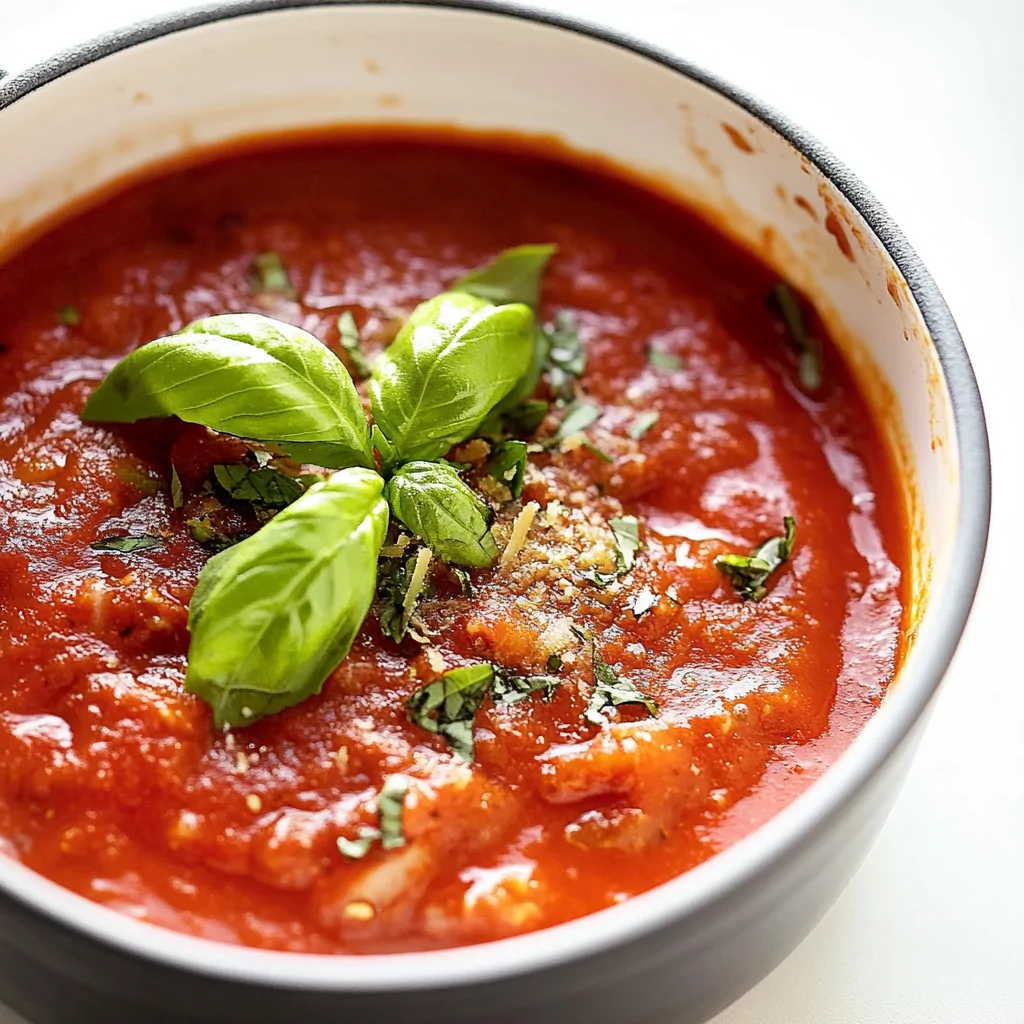
Marinara sauce is a beloved staple in Italian cuisine. This vibrant tomato-based sauce serves as the base for countless dishes, from classic spaghetti to hearty lasagna. Making your own marinara sauce at home not only ensures freshness but also allows you to customize the flavors to suit your taste preferences. With just a handful of ingredients, you can create a rich and flavorful marinara that will elevate any meal.
In this article, we?ll walk you through the process of crafting a traditional marinara sauce using simple yet high-quality ingredients. You’ll learn about each component’s role in building flavor and how to prepare the sauce step by step. Whether you?re planning a family dinner or simply want to enhance your weeknight meals, this recipe will become a go-to in your culinary repertoire.
Not only is making marinara sauce straightforward, but it also offers an opportunity to experiment with herbs and spices. You can easily adjust the seasonings to create a unique twist on this classic recipe. Join us as we delve into the ingredients and preparation methods that will help you achieve the perfect marinara sauce that can be stored for later use or enjoyed immediately.
Main Ingredients
Tomatoes
Fresh tomatoes form the heart of any good marinara sauce. For this recipe, you’ll need 2 pounds of ripe Roma tomatoes or San Marzano tomatoes for their balanced sweetness and acidity. These varieties are ideal due to their low moisture content and rich flavor profile. After washing them thoroughly, you’ll want to core and chop them into small pieces before cooking. If you prefer a smoother texture, consider blanching them to remove the skins.
Olive Oil
Extra virgin olive oil is essential for saut?ing your aromatics and adding depth of flavor. Use about ? cup of high-quality olive oil for this recipe. It helps create a luscious mouthfeel while enhancing the overall taste of the dish. The oil should be heated gently before adding garlic and onions; this allows their flavors to infuse into the oil, which will then carry through the rest of your sauce.
Garlic
Garlic provides an aromatic base that complements the tomatoes beautifully. You will need 4 cloves of fresh garlic for this recipe. Minced finely or sliced thinly, garlic should be saut?ed until fragrant but not browned?about 1-2 minutes?to prevent bitterness from developing in your sauce.
Onion
A medium-sized yellow onion adds sweetness and complexity to your marinara sauce. Dice one onion finely (approximately 1 cup) so that it cooks evenly with the garlic. Saut?ing it until translucent (5-7 minutes) allows its natural sugars to caramelize slightly, enriching the overall flavor profile.
Fresh Basil
Fresh basil brightens up any tomato-based dish with its aromatic qualities. For this recipe, use ? cup of loosely packed fresh basil leaves, torn into pieces just before adding them to the sauce at the end of cooking time for maximum flavor retention.
Sugar (Optional)
Depending on the acidity of your tomatoes, you may want to add a teaspoon of sugar to balance out the flavors in your marinara sauce. This step is optional; however, if you find that your sauce tastes too acidic after cooking it down, sugar can help round out those sharper notes.
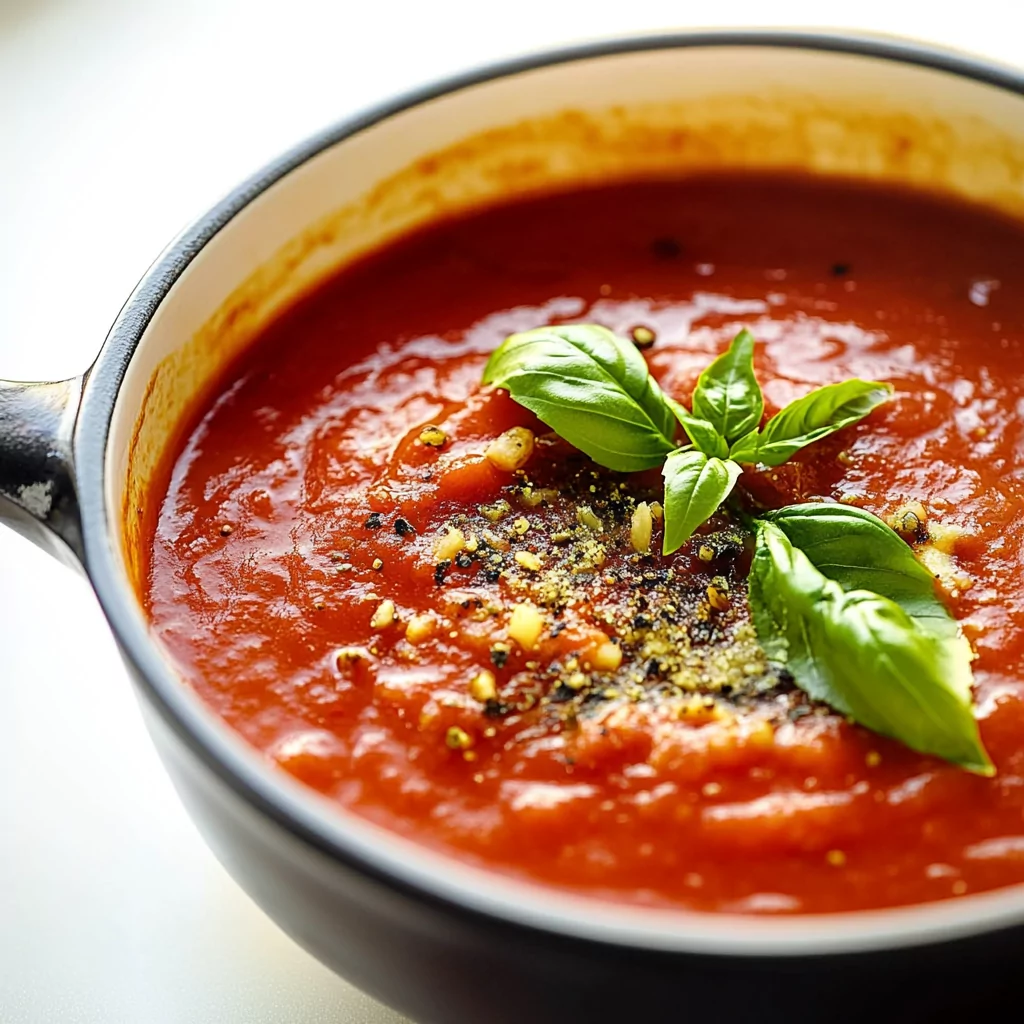
How to Prepare Marinara Sauce
Step 1: Saut? Aromatics
Begin by heating ? cup of extra virgin olive oil in a large saucepan over medium heat. Once hot but not smoking, add one finely diced yellow onion along with four minced garlic cloves. Stir frequently for about 5-7 minutes until the onion becomes soft and translucent while ensuring that the garlic does not brown?this step is crucial as burnt garlic can impart bitterness to your final dish.
As they cook together slowly in harmony with each other?s flavors being released into the oil surrounding them; be sure not to rush this process! It’s all about coaxing those sweet notes out from both ingredients gently while they mingle within this fragrant oil bath.
Step 2: Add Tomatoes
Next comes our star ingredient: tomatoes! Carefully add two pounds of chopped Roma or San Marzano tomatoes directly into your pot filled with saut?ed aromatics already infused with lovely flavor! Stir everything together well so every piece gets coated evenly before seasoning generously with salt (about 1 teaspoon) followed by freshly cracked black pepper according to personal preference.
Bring this mixture up toward medium-high heat until it starts bubbling gently?this signifies it’s time for some patience as we allow these components space & time together… reducing down over low heat uncovered for approximately 30-45 minutes! Stir occasionally during this period; watch closely so nothing sticks or burns against pan’s bottom!
Step 3: Incorporate Fresh Herbs
Once you’ve achieved desired thickness after simmering away patiently; it’s time now introduce our fresh basil leaves?add half a cup torn right into pot at this stage! Give everything another gentle stir incorporating those herbal notes throughout entire blend while allowing them simmer briefly just long enough (about another minute) so they wilt down nicely without losing too much vibrancy! Remember?the secret here lies within timing & balance!
Taste-test carefully adjusting seasoning further if needed?if acidity feels pronounced still consider adding teaspoon sugar which softens edges providing rounded finish overall before serving!
Step 4: Blend (Optional)
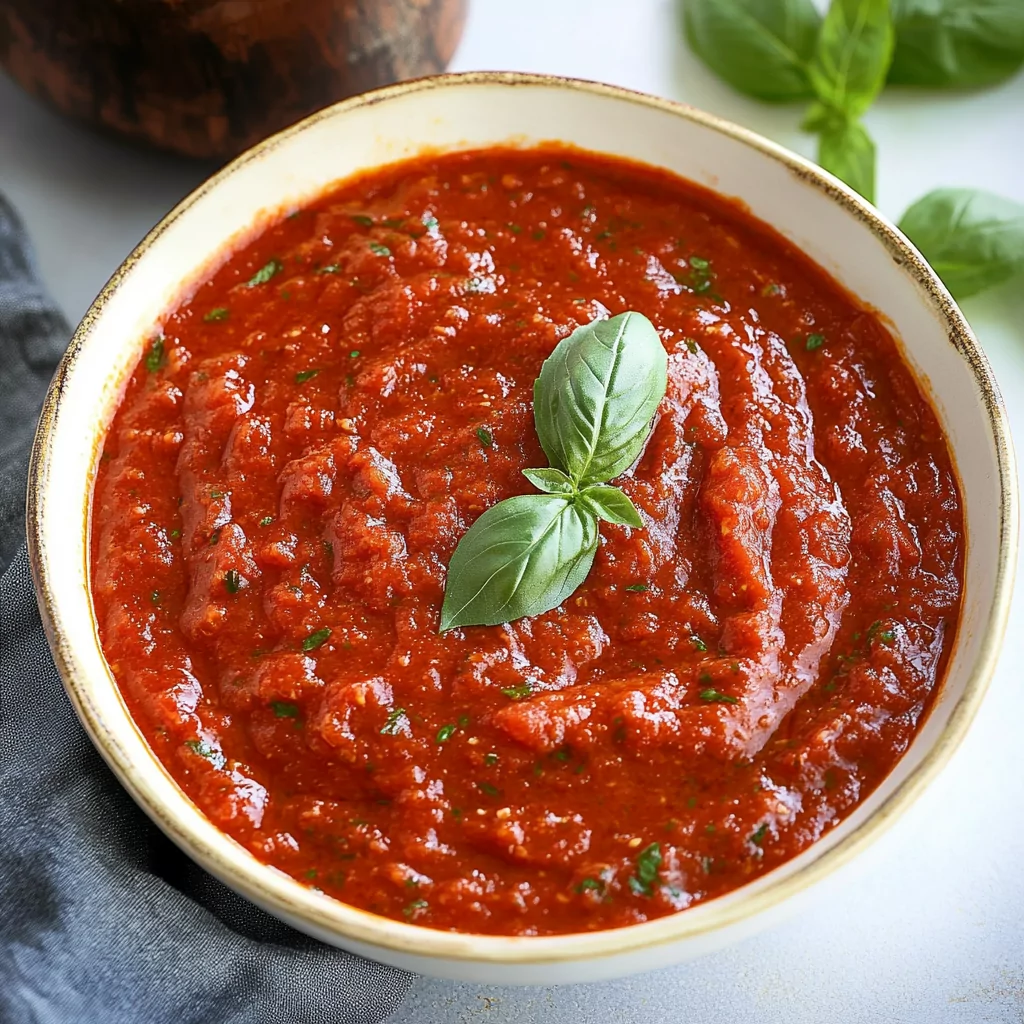
For those who prefer smooth textures rather than chunky varieties when enjoying their sauces; consider utilizing an immersion blender right inside pot itself while blending until reaching creaminess desired achieving velvety consistency! Alternatively transfer contents carefully batch-wise toward traditional blender letting steam escape naturally during processing phase ensuring safety precautions are taken throughout operation!
Return blended mixture back into original pot once completed along with additional optional seasoning adjustments needed post-blending session completing rich delightful experience ready serve upon favorite dishes soon thereafter!
Serving and Storing Tips
Serving Suggestions
The beauty of marinara sauce lies in its versatility when pairing alongside various dishes! Serve over al dente spaghetti garnished freshly grated Parmigiano-Reggiano cheese alongside toasted garlic bread & side salad offering complete meal harmony! Alternatively use as dipping accompaniment served alongside crispy mozzarella sticks or stuffed mushrooms making delightful appetizers suitable gatherings & celebrations alike!
For pizza lovers?spread generously across homemade crust topped off favorite toppings cheese variety creating perfect pie everyone craves! Don?t forget about layering within baked ziti courses featuring ricotta blends enhancing richness further elevating experiences beyond traditional pasta fare here too!
Storing Instructions
Leftover marinara can be stored safely within airtight containers either refrigerated or frozen depending upon preferences longevity storage solutions desired maintaining freshness longer-term without compromising quality integrity entire batch made earlier therein keeping culinary adventures alive beyond initial enjoyment phase just begun!
If refrigerating consume leftovers within five days safely ensuring optimal taste remains intact throughout duration stored properly sealed away from air exposure minimizing spoilage risks altogether while allowing maximum enjoyment levels retained when reheating later on stove top microwave preferred method chosen based individual preferences noted therein prior consumption phases initiated accordingly thereafter!
For freezing?transfer cooled portions directly toward freezer-safe bags removing excess air entirely sealing securely afterward labeling containers clearly indicating dates made thus enabling easy identification future use occasions arriving unexpectedly needing quick meal prep solutions effortlessly handled without stress involved ensuring satisfaction guaranteed every time meal served proudly featuring delicious homemade marinara crafted lovingly earlier today!
Mistakes to avoid for Marinara Sauce:
?Using Low-Quality Tomatoes?
One common mistake when making marinara sauce is choosing low-quality tomatoes. The quality of tomatoes can significantly affect the flavor and texture of your sauce. Poor-quality tomatoes often result in a bland sauce that lacks depth. Always opt for ripe, fresh tomatoes or high-quality canned San Marzano tomatoes. These varieties are known for their sweet flavor and lower acidity, which contribute to a well-balanced sauce. If using fresh tomatoes, ensure they are in season for the best results. Avoid overcooking the sauce, as this can lead to a loss of freshness and vibrant color.
Skipping Fresh Herbs
Another mistake is neglecting fresh herbs. While dried herbs have their place, using fresh basil and oregano elevates your marinara sauce to new heights. Fresh herbs provide a burst of flavor that dried herbs simply cannot replicate. When adding herbs, do so at the right time; add fresh basil towards the end of cooking to preserve its flavor and aroma. Overcooking fresh herbs will diminish their potency, resulting in a less flavorful sauce. Remember, balance is key; too much herb can overpower the other ingredients.
Not Seasoning Properly
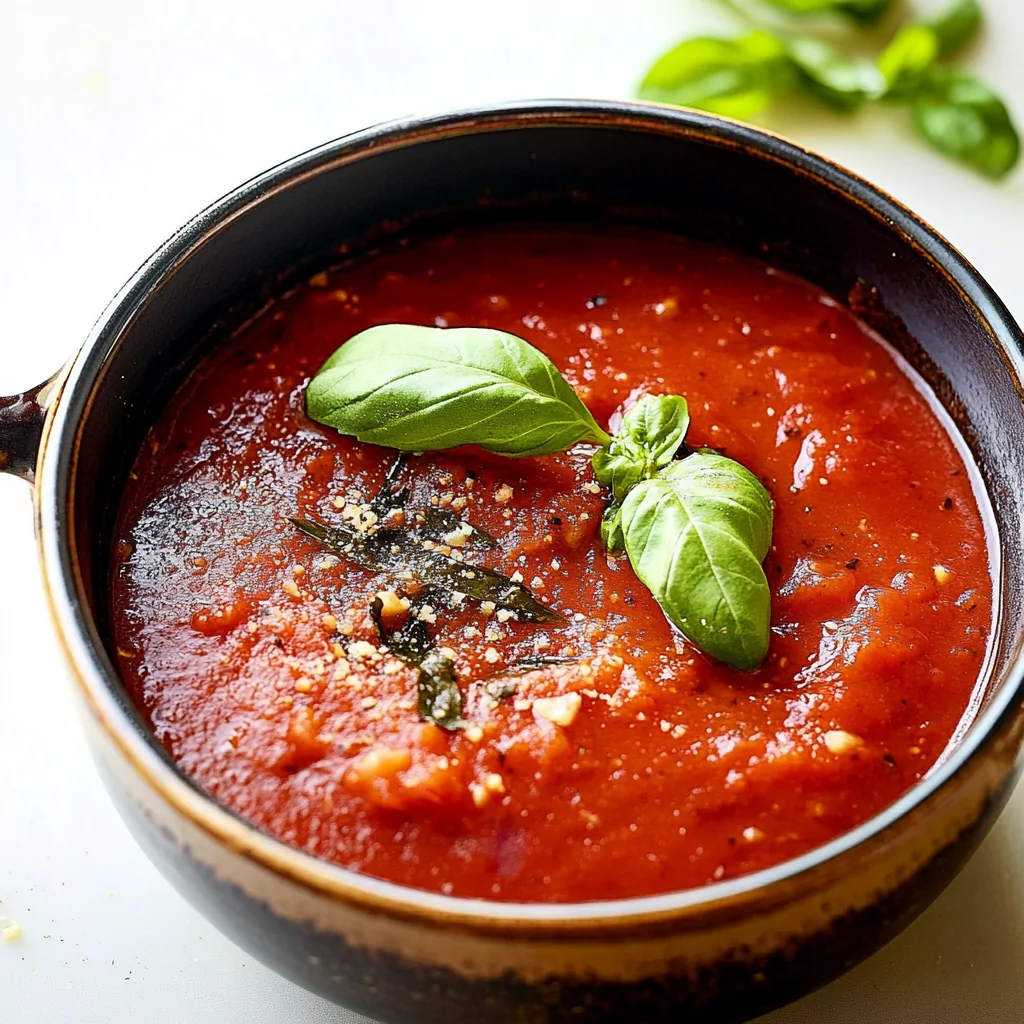
Proper seasoning is crucial when creating a delicious marinara sauce. Many home cooks make the mistake of under-seasoning during the cooking process. Start with salt and pepper but don’t hesitate to add garlic or onion powder for additional flavors. Taste your sauce as it cooks and adjust seasonings accordingly. A pinch of sugar can also help balance acidity from the tomatoes if necessary. Remember that seasoning should be adjusted throughout cooking; this practice enhances the overall taste profile.
Tips and tricks for Marinara Sauce:
Saut? Aromatics First for Marinara Sauce
One effective tip for enhancing your marinara sauce is to saut? aromatics first. Begin by heating olive oil in a saucepan and adding chopped onions and garlic. Saut? until soft and fragrant before adding tomatoes. This step builds a strong flavor base that infuses into the entire sauce as it simmers. Make sure not to burn the garlic; this can lead to bitterness in your final product. Patience is key here?allowing these ingredients to caramelize slightly creates depth and complexity in flavor.
Simmer Slowly
Simmering your marinara sauce slowly allows flavors to meld beautifully. After combining all ingredients, reduce heat to low and let it simmer uncovered for at least 30 minutes. This process evaporates excess moisture while concentrating flavors, leading to a richer taste profile. Stir occasionally to prevent sticking on the bottom of the pot, ensuring an even cook throughout your sauce. The longer you let it simmer, up to two hours if desired, the better it will taste!
Use Different Tomato Varieties
Experimenting with different tomato varieties can transform your marinara sauce into something extraordinary! While traditional marinara relies on standard canned or fresh tomatoes, consider blending varieties like heirloom or cherry tomatoes for added sweetness and complexity. Additionally, mixing crushed tomatoes with whole peeled tomatoes provides texture variations within your sauce?some bites will be smooth while others have chunks that delightfully pop in your mouth.
Suggestions for Marinara Sauce:
Add Red Wine
Incorporating red wine into your marinara sauce can bring out rich flavors you won?t find otherwise! After saut?ing your aromatics but before adding tomatoes, pour in half a cup of red wine?preferably something you would enjoy drinking! Allow it to simmer until reduced by half; this technique deepens flavors while imparting a slight acidity that balances perfectly with sweet tomato notes.
Incorporate Vegetables
Adding vegetables enhances both nutrition and flavor profiles within your marinara sauce! Consider incorporating finely chopped carrots or bell peppers along with onions at the start of cooking?these veggies add natural sweetness without overwhelming acidity levels from tomatoes themselves! Zucchini or mushrooms can also provide interesting textures if added later during simmering stages.
Experiment with Spices
Don?t hesitate to experiment with spices when preparing marinara sauce! Beyond traditional Italian herbs like oregano or thyme, consider adding crushed red pepper flakes for heat if desired?this adds an exciting twist without overpowering existing flavors present within dishes served alongside sauces such as pasta dishes or pizza toppings! A touch of smoked paprika could bring an unexpected depth too; just remember moderation ensures balance remains intact throughout each bite enjoyed!
FAQs for Marinara Sauce:
What is Marinara Sauce made of?
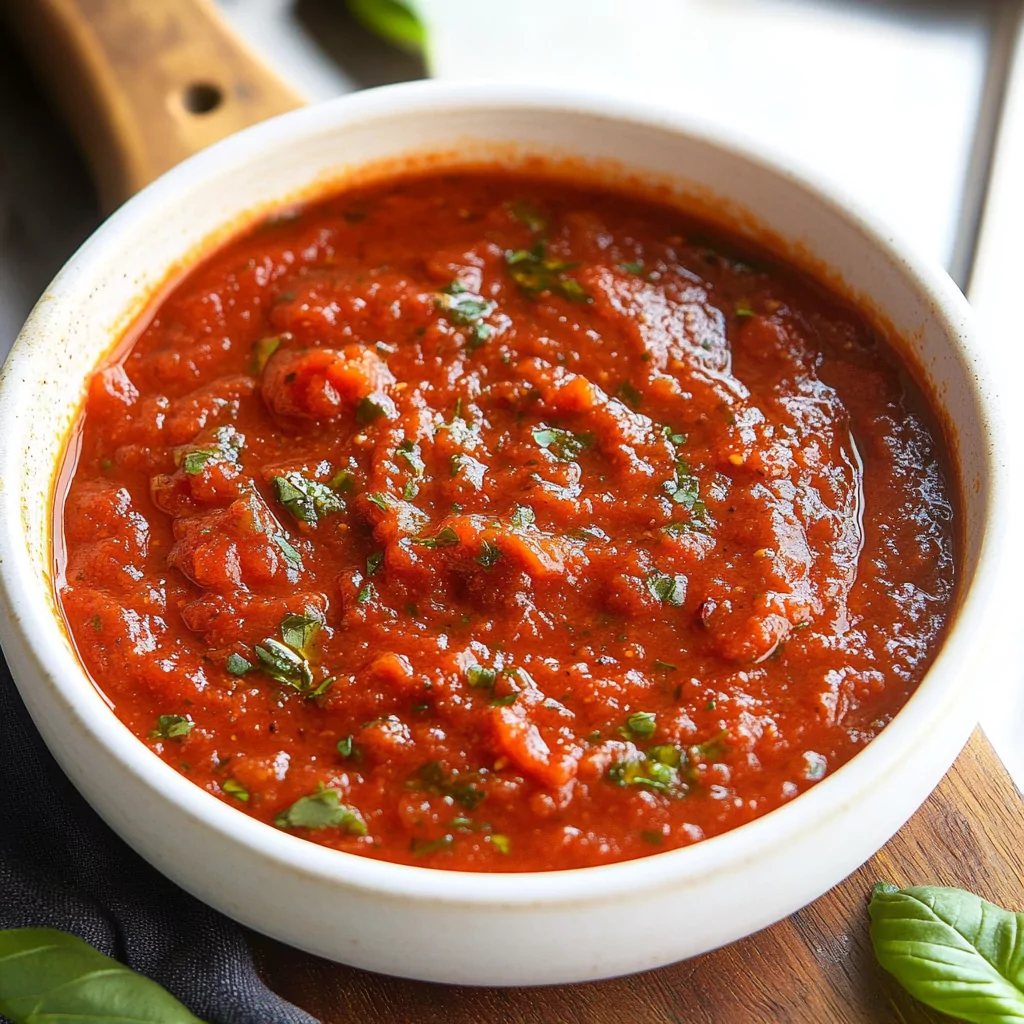
Marinara sauce is a simple yet flavorful tomato sauce that originates from Italy. The base of marinara includes ripe tomatoes, which can be fresh or canned. Garlic and onions are essential ingredients that add depth to the sauce. Olive oil enhances the flavor and provides a smooth texture. Additionally, herbs such as basil and oregano contribute aromatic notes, while salt and pepper balance the dish. Some variations may include red pepper flakes for heat or a splash of red wine for complexity. The beauty of marinara lies in its versatility; you can easily adjust the ingredients according to personal preference or dietary needs.
How long does homemade Marinara Sauce last in the fridge?
Homemade marinara sauce can last in the refrigerator for about 5 to 7 days when stored properly in an airtight container. To maximize freshness, ensure that the sauce has cooled down before placing it in the fridge. If you want to extend its shelf life even further, consider freezing it. Marinara sauce can be frozen for up to three months without losing much flavor or texture. Just remember to leave some space in the container since liquids expand when frozen. When you’re ready to use it, thaw it overnight in the refrigerator or heat it directly from frozen on the stovetop.
Can I use Marinara Sauce for pasta dishes other than spaghetti?
Absolutely! While marinara sauce is often associated with spaghetti, it pairs wonderfully with various pasta shapes and dishes. You can use it with penne, rigatoni, fusilli, or even gnocchi. Beyond pasta, marinara serves as a great base for lasagna, eggplant Parmesan, or even pizza sauce. It also complements meatballs and grilled vegetables beautifully. Its rich flavor enhances any dish you choose to create, making it a versatile option in your cooking repertoire.
Is Marinara Sauce healthy?
Marinara sauce can be quite healthy when prepared with fresh ingredients and minimal added sugars or preservatives. The primary ingredient, tomatoes, is rich in vitamins A and C and contains antioxidants like lycopene that may promote heart health. Olive oil provides healthy fats that support overall wellness. By using fresh herbs instead of salt for flavoring, you can keep sodium levels low while still enjoying robust taste. However, if you’re buying store-bought marinara sauce, check labels for added sugars and unhealthy preservatives that might undermine its health benefits.
Can I customize my Marinara Sauce recipe?
Yes! One of the delightful aspects of marinara sauce is its adaptability. You can customize your recipe by adjusting spices and herbs to suit your taste preferences. For example, adding red pepper flakes gives a spicy kick, while fresh parsley adds brightness at the end of cooking. You might also consider incorporating vegetables like bell peppers or mushrooms for additional nutrition and flavor complexity. If you’re looking for a creamier version, consider adding a splash of heavy cream or a dollop of mascarpone cheese at the end.
What are some common dishes featuring Marinara Sauce?
Marinara sauce features prominently in many classic Italian dishes beyond just spaghetti with marinara. Some popular options include chicken Parmesan, where breaded chicken cutlets are topped with marinara and cheese before baking until bubbly golden brown. You?ll also find it as a base for baked ziti or stuffed shells filled with ricotta cheese and topped with marinara before baking. Other favorites include meatball subs smothered in marinara or dipping sauces served alongside mozzarella sticks or garlic bread.
Conclusion for Marinara Sauce:
In summary, marinara sauce is an essential component of Italian cuisine known for its simple yet robust flavors derived from basic ingredients like tomatoes, garlic, onions, and herbs. With its versatility, you can enjoy this delicious sauce across various dishes beyond traditional pasta meals?ranging from pizzas to casseroles and everything in between. Homemade marinara has advantages over store-bought versions regarding freshness and healthiness; however, convenience often dictates choices based on lifestyle needs.
By understanding how to make your own marinara from scratch along with storage tips to maintain quality over time ensures that you have this culinary staple ready whenever needed! Whether you’re customizing your recipe with spices or using it as a foundation for countless other dishes, mastering marinara will undoubtedly elevate your cooking game and delight family and friends alike!
Print
Marinara Sauce
- Total Time: 55 minutes
- Yield: Serves 6
Description
Indulge in the rich and vibrant flavors of homemade marinara sauce, a cornerstone of Italian cuisine. This simple yet delightful recipe combines ripe tomatoes, fragrant garlic, and aromatic herbs to create a versatile sauce perfect for pasta, pizza, or as a savory dipping sauce. With just a few fresh ingredients and easy steps, you?ll elevate your meals to new heights. Customize it with spices or vegetables to suit your taste and enjoy the satisfaction of crafting your own authentic marinara at home.
Ingredients
2 pounds ripe Roma or San Marzano tomatoes
? cup extra virgin olive oil
4 cloves garlic, minced
1 medium yellow onion, finely diced
? cup fresh basil leaves, torn
Salt and pepper to taste
Optional: 1 teaspoon sugar (to balance acidity)
Instructions
Heat olive oil in a large saucepan over medium heat. Saut? the diced onion and minced garlic until fragrant and translucent.
Add chopped tomatoes and season with salt and pepper. Bring to a gentle simmer.
Let simmer uncovered for 30-45 minutes, stirring occasionally until thickened.
Stir in fresh basil just before serving. Adjust seasoning if needed.
Notes
For a smoother sauce, blend it after cooking.
Experiment with adding red wine or vegetables like bell peppers for added depth.
- Prep Time: 10 minutes
- Cook Time: 45 minutes
Nutrition
- Calories: 120
- Fat: 6g
- Carbohydrates: 15g
- Fiber: 3g
- Protein: 3g