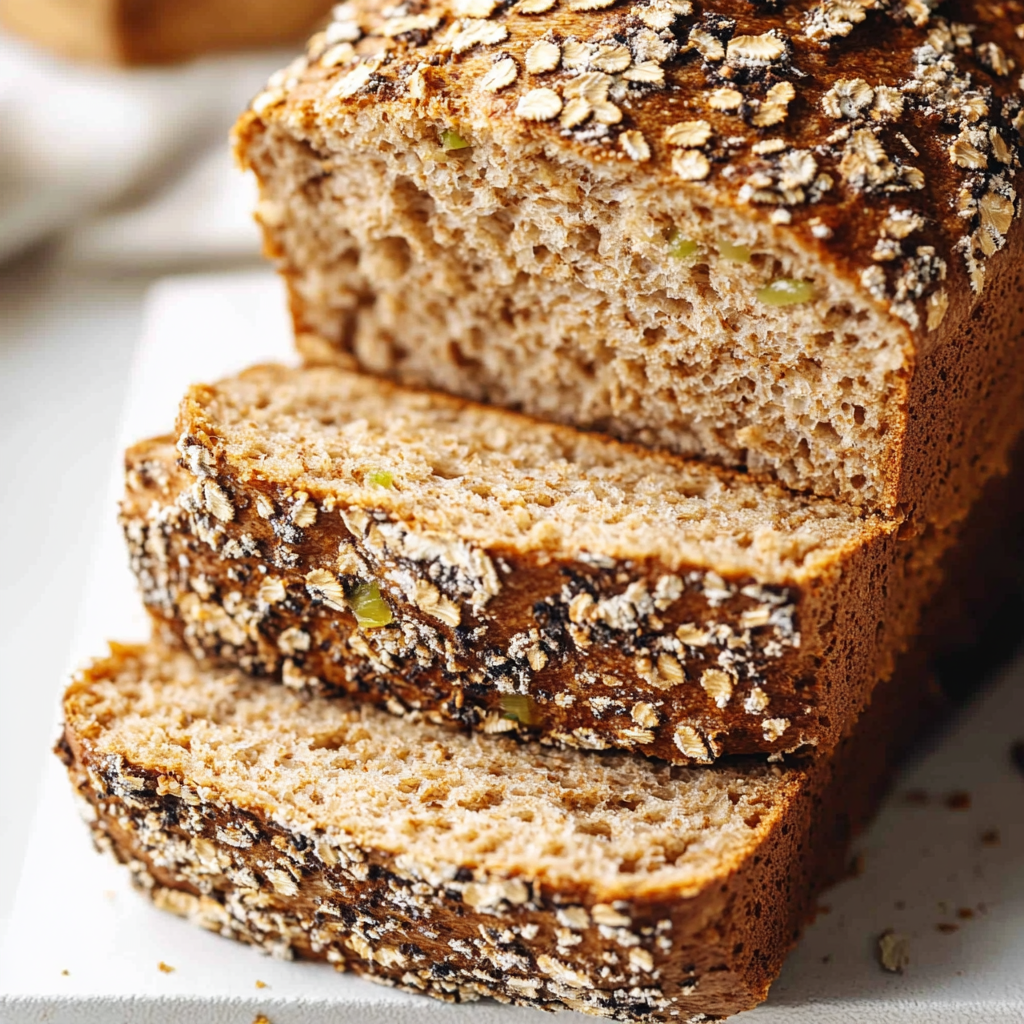
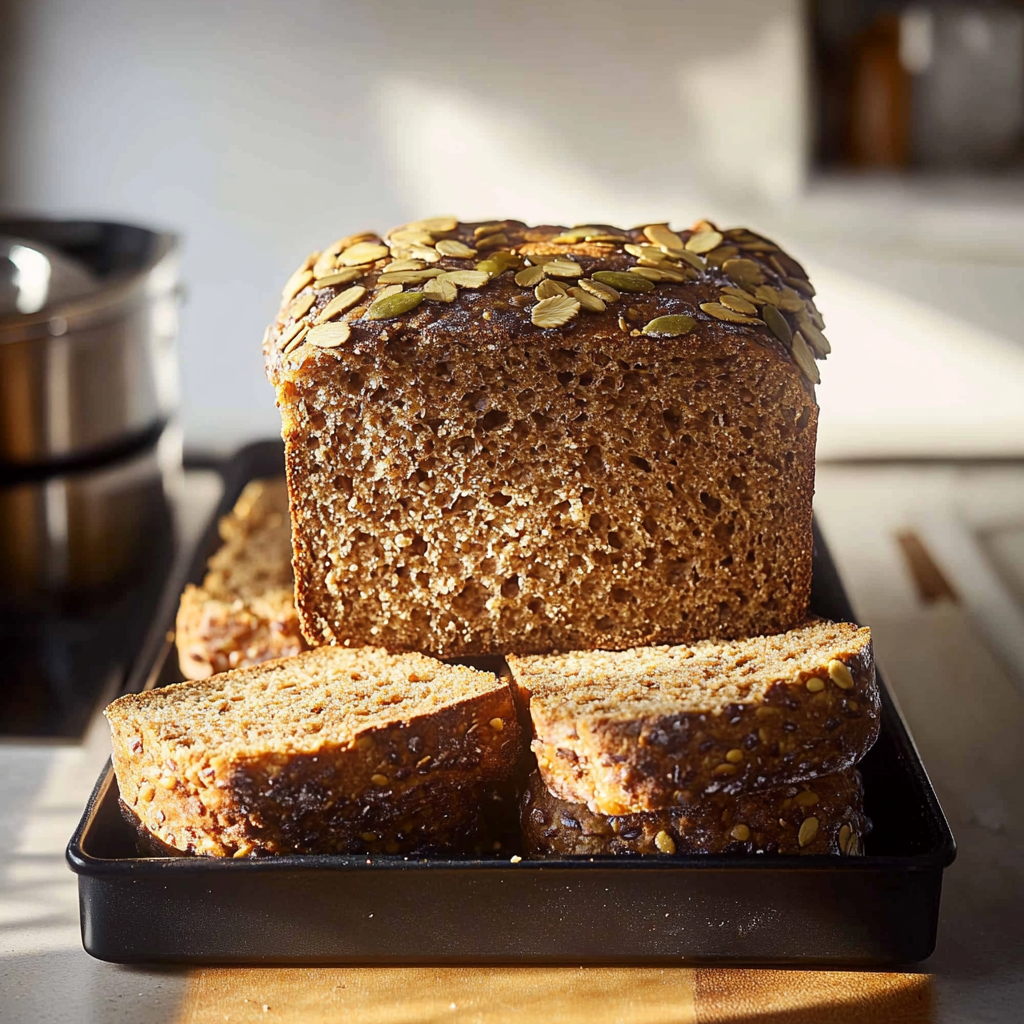
Whole wheat bread is a fantastic addition to your diet, offering both nutrition and delightful flavor in every bite. This recipe brings together simple ingredients to create a wholesome loaf that can enhance your meals. Whether you want a slice toasted for breakfast or as the foundation for a hearty sandwich, this whole wheat bread caters to all needs. Packed with fiber and nutrients, it makes for a healthier alternative to white bread while still being versatile enough for any occasion. What?s more, making your own bread at home allows you to control the ingredients and customize flavors to suit your palate. In just a few steps, you can turn your kitchen into a bakery and impress your family with this delightful homemade whole wheat bread. Let?s dive into why this recipe is a must-try!
Why You’ll Love This Whole Wheat Bread
- Nutritious Choice: Whole wheat bread is packed with essential nutrients like fiber, vitamins, and minerals that promote better digestion and overall health.
- Cost-Effective: Baking your own bread saves money compared to store-bought options, especially when you can control the quality of ingredients used.
- Aroma of Fresh Baked Bread: The irresistible smell of freshly baked whole wheat bread wafting through your home creates an inviting atmosphere.
- Customizable Flavor: You can easily adapt the recipe by adding seeds or nuts to enhance flavor and texture according to your preferences.
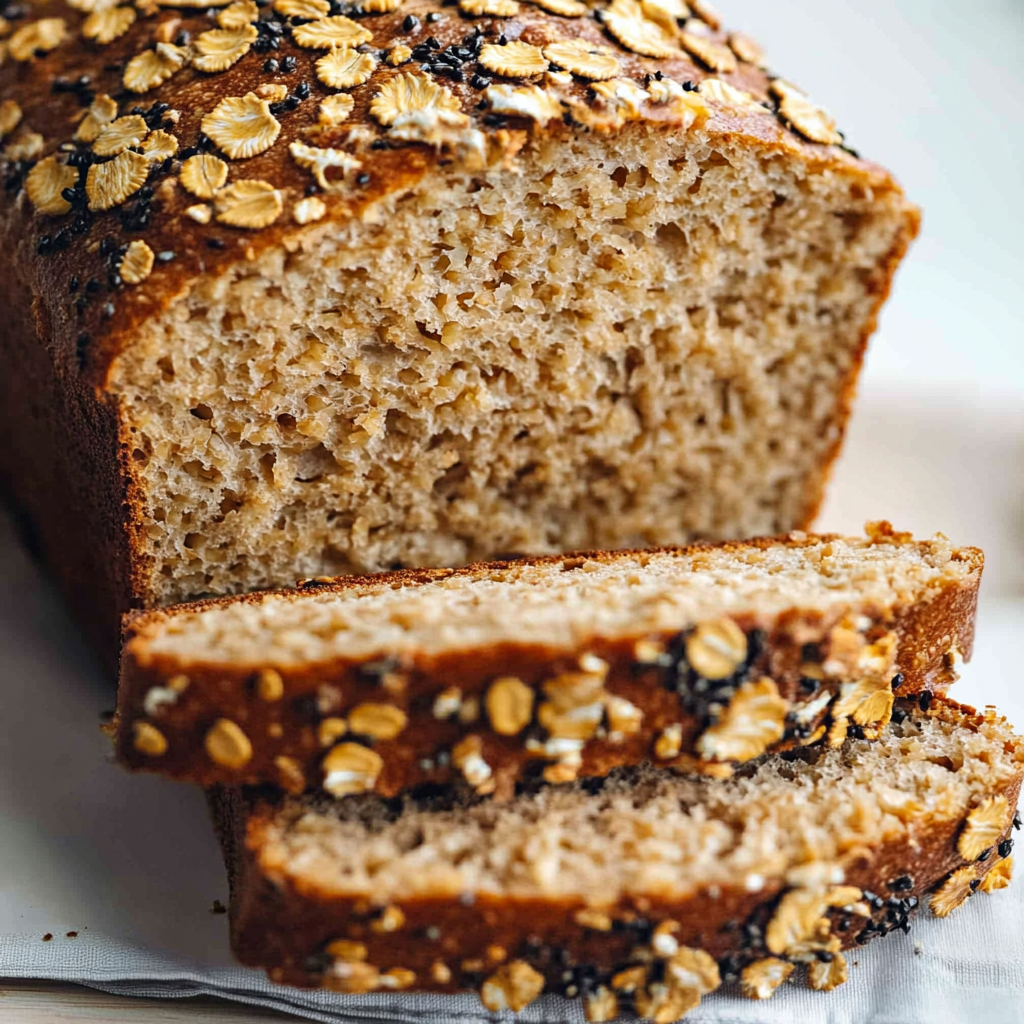
Ingredients for Whole Wheat Bread
Here’s what you’ll need to make this delicious dish:
- Whole Wheat Flour: Use high-quality whole wheat flour for the best flavor and texture; it contains more nutrients than refined flour.
- Warm Water: Ideal temperature is about 110?F (43?C), which helps activate the yeast without killing it.
- Active Dry Yeast: Look for fresh yeast; it?s crucial for helping the dough rise properly.
- Honey or Sugar: These sweeteners feed the yeast during fermentation; honey also adds moisture and flavor.
- Salt: Enhances flavor while controlling fermentation rate; too much salt can inhibit yeast activity.
The full ingredients list, including measurements, is provided in the recipe card directly below.
How to Make Whole Wheat Bread
Follow these simple steps to prepare this delicious dish:
Step 1: Prepare Yeast Mixture
In a mixing bowl, combine warm water with honey and sprinkle active dry yeast on top. Allow it to sit for about 5-10 minutes until frothy.
Step 2: Mix Dry Ingredients
In another bowl, whisk together whole wheat flour and salt until well combined.
Step 3: Combine Ingredients
Once the yeast mixture is bubbly, pour it into the bowl with dry ingredients. Mix until a dough forms.
Step 4: Knead the Dough
Transfer the dough onto a floured surface. Knead it for about 8-10 minutes until it becomes smooth and elastic.
Step 5: First Rise
Place the kneaded dough in a greased bowl. Cover it with a damp cloth and let it rise in a warm area for about an hour or until doubled in size.
Step 6: Shape and Second Rise
Punch down the risen dough gently to release air. Shape it into a loaf and place it in a greased loaf pan. Cover again and let it rise for another hour.
Transfer to preheated oven at 375?F (190?C) for baking until golden brown (about 30-35 minutes).
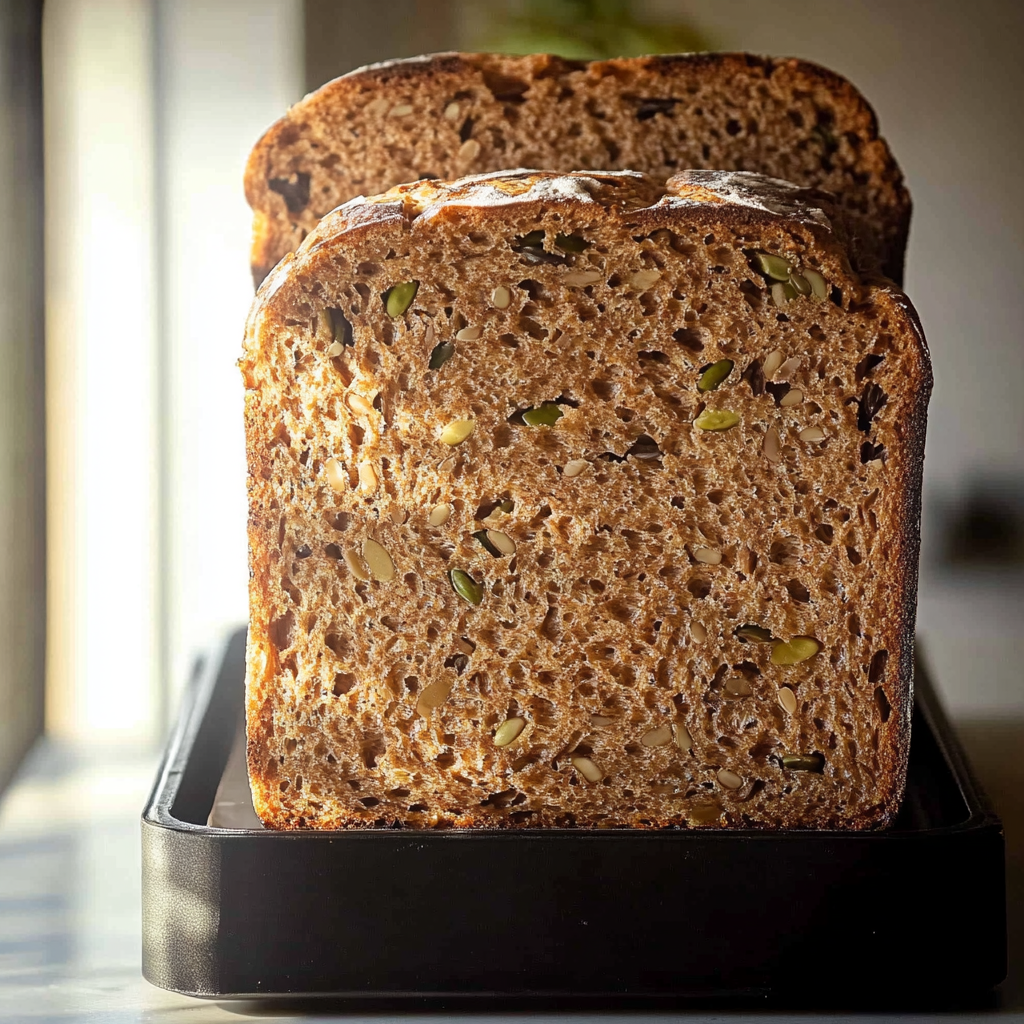
Tips and Tricks
Here are some helpful tips to ensure the best results for your dish:
- Kneading Technique: Use the heel of your hand while kneading; this helps develop gluten effectively for better structure.
- Dough Consistency: If dough seems too sticky, add small amounts of flour gradually until you achieve smoothness.
- Cooling Time: Allow baked bread to cool completely on a wire rack before slicing; this helps maintain its texture.
Don’t stop here! Keep the cooking going with this recipe.
How to Serve Whole Wheat Bread
This Whole Wheat Bread is versatile and pairs wonderfully with:
- Avocado Toast: The nutty flavor of whole wheat bread complements the creamy texture of avocado perfectly.
- Homemade Hummus: This healthy dip spreads easily on whole wheat bread, creating a satisfying snack or appetizer.
- Soups and Stews: Dipping warm whole wheat bread into soups enhances the meal’s richness and warmth.
Feel free to pair it with your favorite sides for a personalized meal!
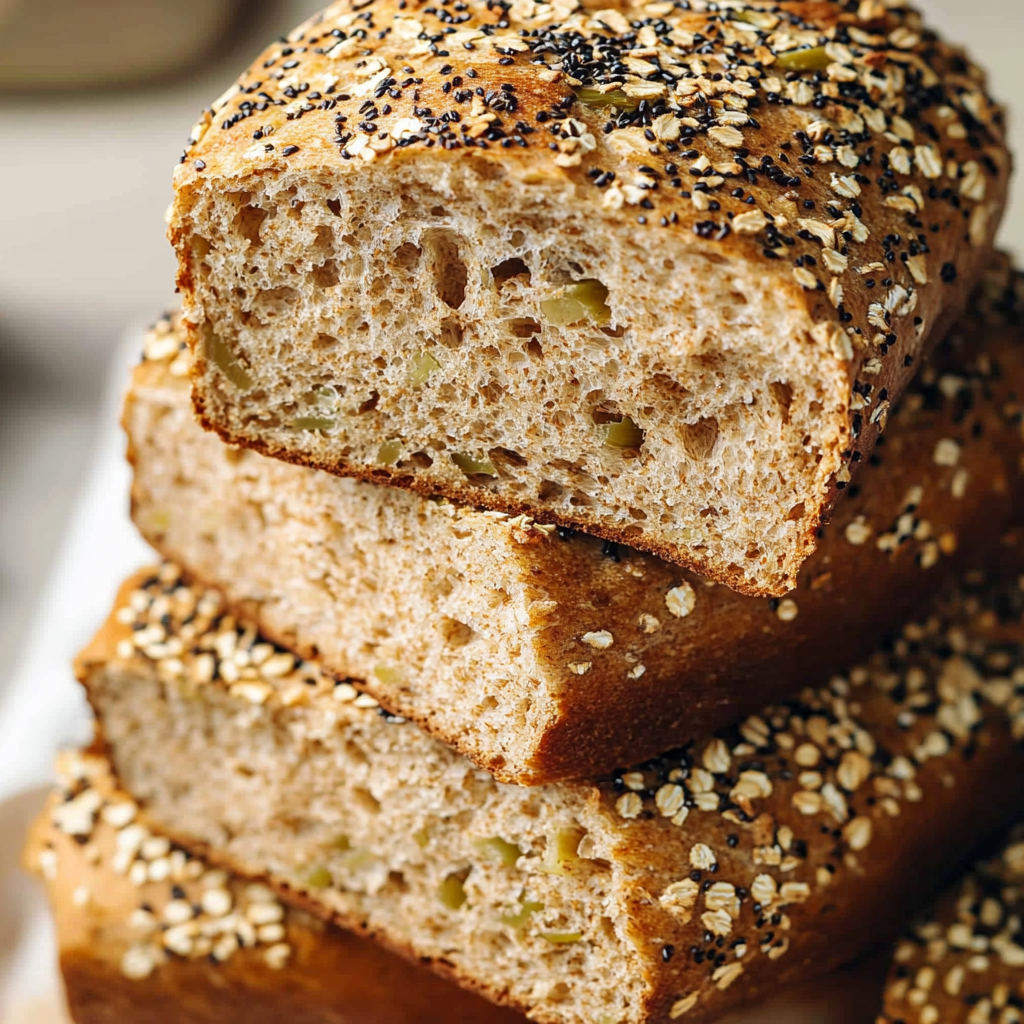
Explore even more deliciousness with this recipe!
Make Ahead and Storage
- Make Ahead: You can prepare whole wheat bread dough in advance. Simply mix the ingredients, let it rise for about one hour, then refrigerate the dough for up to 24 hours before baking. This allows for better flavor development.
- Storing: Store leftover whole wheat bread in an airtight container at room temperature for up to three days. For longer storage, wrap it tightly in plastic wrap and freeze for up to three months.
- Reheating: To reheat whole wheat bread, preheat your oven to 350?F (175?C). Wrap the bread in foil and heat for about 10-15 minutes until warmed through. This method helps retain moisture and prevents drying out.
Get your taste buds ready for another amazing recipe!
Suggestions for Whole Wheat Bread
Use Fresh Ingredients
Using fresh ingredients is crucial when making whole wheat bread. Old flour or expired yeast can affect the rise and flavor of your bread. Always check the expiration dates on your flour and yeast before you begin baking. When possible, opt for whole wheat flour that has been stored properly in a cool, dark place. Fresh ingredients contribute not only to better taste but also improve the nutritional value of your bread. If you’re unsure about the freshness of your ingredients, consider purchasing smaller quantities more frequently to ensure quality.
Don?t Skip the Kneading
Kneading is an essential step in making whole wheat bread. It develops gluten, which gives bread its structure and chewy texture. Neglecting this step can result in dense and heavy loaves that lack proper rise. Aim to knead your dough for at least 10 minutes until it becomes smooth and elastic. You can also perform a windowpane test by stretching a small piece of dough. If it holds together without tearing, you’ve kneaded it sufficiently. This process enhances the final product, making it light and airy.
Avoid Over-Whole Wheat Flour
While whole wheat flour is healthier than white flour, using too much can lead to dry and crumbly bread. A common mistake is replacing all-purpose flour with whole wheat without adjusting other ingredients. To achieve the best texture, consider mixing whole wheat flour with all-purpose flour in a balanced ratio, such as 50/50 or 60/40. This helps retain moisture while still providing the nutritional benefits of whole grains. Gradually increase the proportion of whole wheat if desired, allowing you to find the perfect balance for your palate.
Don’t Rush the Rising Time
Rising time is vital when making whole wheat bread. Rushing this process can lead to poor texture and flavor development. Allow your dough ample time to rise until it has doubled in size; this usually takes about 1 to 2 hours at room temperature, depending on conditions like humidity and temperature. For optimal results, consider letting your dough rise slowly in the refrigerator overnight. This method enhances flavor complexity and makes it easier to shape once ready for baking.
Hungry for more? Here’s a recipe that?s sure to impress!
FAQs
What are the health benefits of whole wheat bread?
Whole wheat bread offers numerous health benefits compared to white bread. It contains more nutrients such as fiber, vitamins B6 and E, magnesium, iron, and antioxidants that help reduce inflammation in the body. The higher fiber content aids digestion by promoting regular bowel movements and improving gut health overall. Additionally, consuming whole grains may lower the risk of heart disease by reducing cholesterol levels and stabilizing blood sugar levels due to its low glycemic index. Incorporating whole wheat bread into your diet can support weight management as well due to its satiating qualities.
Can I substitute all-purpose flour with whole wheat flour?
Yes, you can substitute all-purpose flour with whole wheat flour when making recipes like bread or muffins; however, adjustments are necessary for successful results. Whole wheat flour absorbs more liquid than all-purpose flour due to its higher fiber content, so you’ll need to increase the hydration level in your recipe slightly?usually about 1-2 tablespoons more liquid per cup of whole wheat flour used is sufficient. Additionally, you may want to reduce other dry ingredients slightly or combine both flours for balanced texture and flavor while still enjoying health benefits.
How do I store homemade whole wheat bread?
Proper storage extends the life of homemade whole wheat bread significantly while maintaining its freshness. Once cooled completely after baking, wrap your loaf tightly in plastic wrap or aluminum foil to prevent moisture loss and staling over time. Store it at room temperature for up to three days; however, if you want to preserve it longer than that, freezing is an excellent option! Slice your loaf first before freezing so you can easily grab individual pieces as needed without thawing the entire loaf each time.
Why does my whole wheat bread come out dense?
Dense whole wheat bread often results from several factors during preparation or baking processes that hinder proper rise or texture development. Common issues include inadequate kneading leading to insufficient gluten formation or not allowing enough rising time for fermentation effects?both are critical steps! Additionally, using too much whole wheat flour compared with all-purpose may contribute further since excess fiber inhibits gluten formation overall; thus finding a blend ratio helps achieve a lighter texture while retaining nutrients effectively.
Elevate your cooking with another one of our favorite recipes!
Conclusion
In conclusion, mastering how to make delicious whole wheat bread requires attention to detail at each step of the process?from selecting fresh ingredients through kneading techniques?to ensuring adequate rising time before baking catches every nuance needed for success! Remember that balancing ratios between flours will improve both taste and texture while storing properly maintains freshness longer term! By incorporating these suggestions into your baking routine along with answering common questions surrounding this wholesome staple food item gets you well on your way toward enjoying healthier homemade options as part of daily meals!
Whole Wheat Bread
- Total Time: 50 minutes
- Yield: About 12 servings 1x
Description
Indulge in the wholesome goodness of homemade whole wheat bread! This easy recipe combines simple ingredients to create a nutritious loaf that is perfect for sandwiches, toast, or simply enjoyed on its own. With a delightful nutty flavor and satisfying texture, this bread not only enhances your meals but also provides essential nutrients to support your health. Baking your own whole wheat bread allows you to control the ingredients?no preservatives, just pure, delicious goodness. In just a few straightforward steps, you can fill your kitchen with the irresistible aroma of freshly baked bread and impress your family with this healthy staple.
Ingredients
- 3 cups whole wheat flour
- 1 ? cups warm water (110?F/43?C)
- 2 ? teaspoons active dry yeast
- 2 tablespoons honey or sugar
- 1 teaspoon salt
Instructions
- In a mixing bowl, combine warm water and honey; sprinkle yeast on top. Let it sit for about 5-10 minutes until frothy.
- In another bowl, whisk together whole wheat flour and salt.
- Pour the yeast mixture into the dry ingredients; mix until a dough forms.
- Knead on a floured surface for 8-10 minutes until smooth and elastic.
- Place dough in a greased bowl; cover and let rise in a warm place for about an hour or until doubled in size.
- Punch down the risen dough, shape it into a loaf, and place it in a greased loaf pan. Cover and let rise for another hour.
- Preheat your oven to 375?F (190?C). Bake for 30-35 minutes or until golden brown.
Notes
Experiment by adding seeds or nuts for additional flavor and texture.
If the dough is too sticky, gradually add small amounts of flour until smooth.
Allow the bread to cool completely on a wire rack before slicing for best texture.
- Prep Time: 15 minutes
- Cook Time: 35 minutes
- Category: Baking
- Method: Baking
- Cuisine: American
Nutrition
- Serving Size: 1 serving
- Calories: 70
- Sugar: 1g
- Sodium: 120mg
- Fat: 1g
- Saturated Fat: 0g
- Unsaturated Fat: 0g
- Trans Fat: 0g
- Carbohydrates: 14g
- Fiber: 2g
- Protein: 3g
- Cholesterol: 0mg