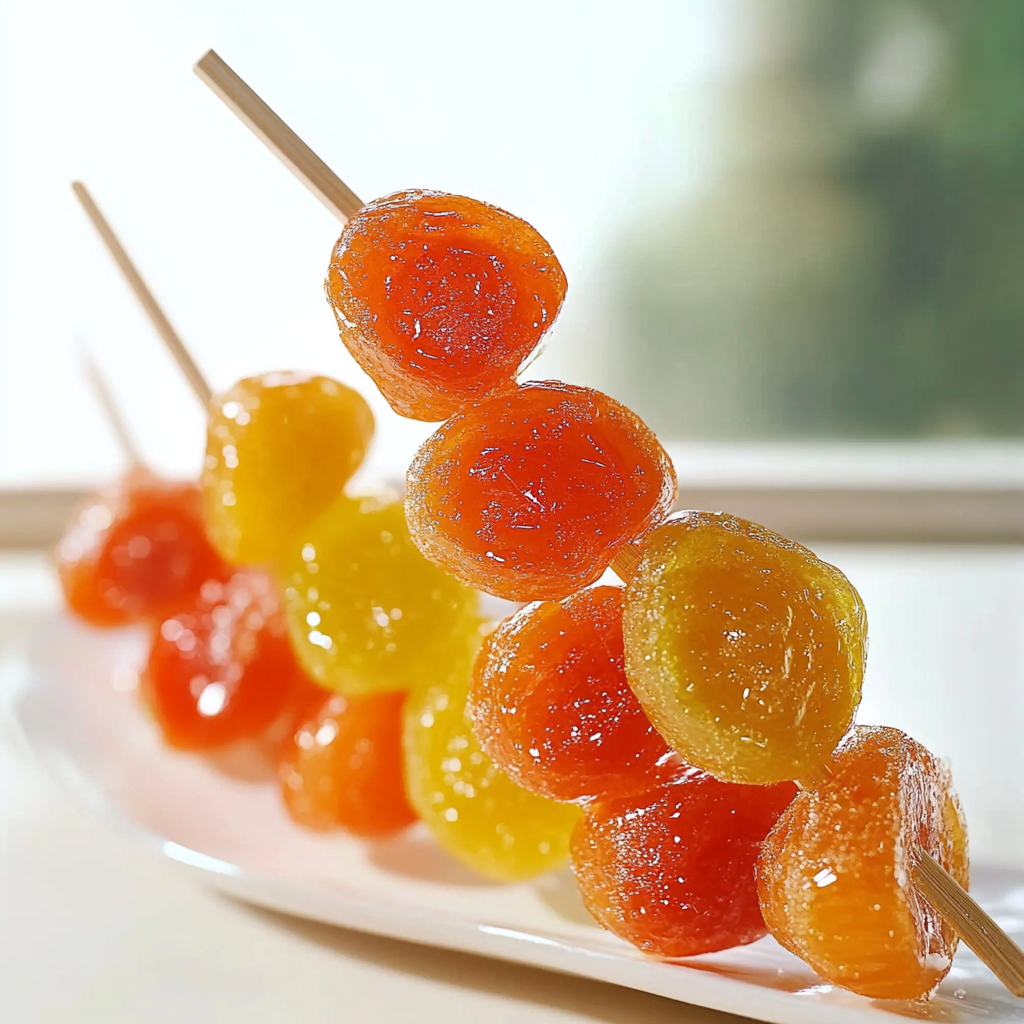
Tanghulu (Chinese Candied Fruit) is a delightful treat that has captured the hearts of many around the world. Originating from China, this sugary snack consists of various fruits coated in a shiny layer of hardened sugar syrup. It?s not just a feast for the taste buds; it?s also a visual delight that can brighten up any gathering or celebration. The crunchy exterior contrasts perfectly with the juicy sweetness of the fruit inside. Making Tanghulu at home is easier than you might think and allows you to customize your fruits based on personal preference.
In this article, we will guide you through the process of creating your own Tanghulu from start to finish. You?ll learn about selecting the best fruits, preparing them for coating, and mastering the sugar syrup technique that gives these treats their signature shine. Whether you’re looking to impress guests at a party or simply satisfy your sweet tooth, this recipe will provide everything you need. Embrace your inner chef and dive into this fun culinary adventure that?s perfect for all ages!
Main Ingredients
Fresh Fruits
Fresh fruits are the star of Tanghulu. Popular choices include strawberries, grapes, and cherries due to their natural sweetness and vibrant colors. Choose ripe fruits that are firm to ensure they hold their shape when coated in syrup. For this recipe, you will need approximately 2 cups of washed and dried fresh fruit.
Granulated Sugar
Granulated sugar is essential for creating the signature glaze of Tanghulu. The sugar caramelizes when heated, giving each piece its distinct sweetness and crunchiness. You will require 1 cup of granulated sugar for coating your fruits adequately.
Water
Water acts as a solvent in which the granulated sugar dissolves during cooking. This mixture creates a syrup that coats the fruits once it’s cooled slightly but still molten. You will need about 1/3 cup of water for this recipe.
Skewers
Skewers are necessary to hold your candied fruits together while they cool and set after being dipped in syrup. You can use wooden skewers or bamboo sticks?just make sure they are sturdy enough to hold multiple pieces of fruit without breaking.

How to Prepare Tanghulu (Chinese Candied Fruit)
Step 1: Prepare Your Fruits
Begin by rinsing your chosen fruits thoroughly under running water to remove any dirt or waxy residue. Pat them dry using paper towels or a clean kitchen cloth; moisture can cause issues with adhering the sugar syrup later on. If using larger fruits like strawberries or cherries, consider removing stems if desired but leave them intact for easy handling on skewers. Once dry, skewer each piece onto wooden sticks; make sure there’s enough space between each fruit so they’ll be easy to dip into the syrup.
Step 2: Make The Sugar Syrup
In a small saucepan over medium heat, combine the granulated sugar with water in an even ratio (1 cup sugar to 1/3 cup water). Stir gently until all the sugar dissolves completely before increasing heat to high; do not stir once it reaches boiling temperature as it may crystallize. Allow it to boil undisturbed until it reaches around 300?F (hard crack stage), which is crucial for achieving that satisfying crunch when cooled down. Use a candy thermometer for accuracy; if you don?t have one available, watch for golden amber color indicating readiness.
Step 3: Coat The Fruits
Once your syrup has reached temperature, carefully remove it from heat and let it cool briefly?about 5 seconds should suffice?before dipping each skewer into the hot syrup. Make sure every piece is thoroughly coated but work quickly as the syrup hardens fast! Lift each skewer out slowly allowing excess syrup to drip back into the pan before placing on parchment paper lined trays or silicone mats for cooling.
Step 4: Let Them Cool Completely
Allow your coated fruits to cool undisturbed at room temperature until they harden completely?this may take anywhere from 10 to 20 minutes depending on humidity levels in your kitchen environment! Do not refrigerate them during this time as cold temperatures can create condensation leading towards an undesirable texture change.

Serving and Storing Tips
Serving Suggestions
Tanghulu makes an excellent addition to parties or festive gatherings! Serve them on decorative platters alongside other snacks like popcorn or nuts for variety. These candied fruits also serve beautifully as dessert options at family get-togethers or picnics; just remember they are best enjoyed fresh within a few hours after preparation due to their sticky nature over time! For added flair during serving times consider garnishing with sprigs of mint leaves surrounding colorful skewers adding freshness visually appealing element.
Storing Leftovers
If you happen to have leftovers?which is rare considering how delicious these treats are?you can store them carefully! Place any uneaten Tanghulu in an airtight container lined with parchment paper between layers ensuring no pieces touch one another preventing stickiness issues arising from contact points while stored away overnight or up-to three days maximum duration without losing crispness entirely due humidity absorption over extended periods indoors especially during warmer seasons where moisture levels rise indoors significantly affecting food storage methods utilized regularly!
By following these steps closely along with serving tips provided herein above enjoy making memorable experiences around scrumptious homemade treats like Tanghulu (Chinese Candied Fruit)!
Need more ideas for your next meal? Click here
Mistakes to Avoid:
Not Choosing the Right Fruit
One of the most common mistakes when making Tanghulu (Chinese Candied Fruit) is selecting the wrong type of fruit. The best fruits for this treat are those that have a firm texture and a balanced level of sweetness. Strawberries, grapes, and hawthorn berries are ideal choices. Avoid overly soft fruits like ripe bananas or peaches, as they won’t hold their shape during the candying process. Selecting fruits that are too ripe can also lead to a soggy texture and less appealing appearance once coated in syrup.
It’s essential to wash and dry your fruits thoroughly before starting the process. Any moisture on the surface can cause the sugar coating to become grainy and uneven. If you’re using berries, make sure they are not bruised or damaged, as this will affect both taste and presentation. Remember, the right fruit not only enhances flavor but also makes your Tanghulu visually appealing.
Ignoring Temperature Control
Another mistake is disregarding temperature control during the candy-making process. The sugar syrup needs to reach a specific temperature to achieve that perfect glossy finish and crunchiness. If the syrup is too hot, it may burn; if it’s not hot enough, it won’t set properly on the fruit. Using a candy thermometer is highly recommended for accuracy.
When heating the sugar and water mixture, keep an eye on it constantly. Allowing it to boil unattended can lead to overcooking or burning. Once it reaches around 300?F (150?C), remove it from heat immediately. You must work quickly once you dip the fruit into the syrup because it will start to harden as it cools down. Getting this step right ensures that your Tanghulu has that coveted crispy shell.
Not Preparing Your Workspace
A clean and organized workspace is crucial when making Tanghulu (Chinese Candied Fruit). Failing to prepare can lead to unnecessary messes and potential accidents with hot syrup. Before you begin, gather all your tools: skewers for the fruit, a pot for boiling syrup, a candy thermometer, and parchment paper for cooling.
Make sure to cover surfaces where you’ll be working with protective layers like wax paper or silicone mats. This will make cleanup easier later on. Additionally, have a bowl of cold water nearby to place your finished Tanghulu items into if you want them to cool quickly after dipping in syrup. A clutter-free space allows you to focus on creating beautiful candies without distractions or hazards.

Love this recipe? You?ll adore these too
Tips and Tricks:
Use Fresh Ingredients
Using fresh ingredients is key when crafting Tanghulu (Chinese Candied Fruit). Fresh fruits not only enhance flavors but also contribute significantly to the overall visual appeal of your final product. Overripe or stale ingredients can ruin both taste and texture, leading to disappointment.
When shopping for fruits, look for vibrant colors and firm textures. This ensures that your Tanghulu will have an appetizing appearance when presented. Additionally, fresh ingredients tend to have better juice content which can balance out sweetness effectively in combination with sugar syrup.
Always check expiration dates on any additional ingredients such as food coloring or flavorings if you’re using them in your recipe. Remember that freshness plays a vital role in achieving optimal results when making this traditional Chinese treat.
Experiment with Flavors
Tanghulu (Chinese Candied Fruit) doesn’t have to be limited to just one flavor profile! You can experiment by incorporating different spices or extracts into your sugar syrup for unique twists on this classic treat. Adding cinnamon sticks or vanilla extract can elevate the taste beyond standard sugary sweetness.
If you’re feeling adventurous, consider dipping various fruits in flavored syrups such as matcha green tea powder dissolved in water before adding sugar?this adds complexity while keeping things fun! You might even try coating some nuts along with fruits for added crunchiness and variety.
Exploring new flavors opens up opportunities for creativity while allowing you to cater tangibly towards personal preferences among family members or guests enjoying these delightful snacks!
Perfecting Your Dipping Technique
Perfecting your dipping technique is essential when preparing Tanghulu (Chinese Candied Fruit). The way you dip your chosen fruit into the hot sugar syrup affects both its appearance and how well the coating adheres. Start by holding each skewer at an angle while immersing it fully into the bubbling syrup.
Let excess syrup drip off before placing dipped pieces onto parchment paper for cooling purposes; this helps maintain shape without creating unsightly drips or blobs around them which could diminish presentation quality! When cooling tanghulu pieces post-dip ensure they are spaced apart adequately so they don’t stick together.
Practicing proper techniques not only enhances aesthetics but also gives you greater control over results achieved throughout each batch prepared at home!
Ready to cook more? Browse more recipes
Suggestions
While Tanghulu is a delightful treat on its own, there are plenty of ways to customize and elevate the experience. Whether you’re hosting a party, creating a themed treat, or just experimenting in the kitchen, here are some creative suggestions for making your Tanghulu extra special.
1. Tanghulu for Special Occasions
Tanghulu is not only a popular street snack in China, but it also plays a role in various festivals and celebrations. If you?re planning a party or a festive event, Tanghulu can be an exciting, interactive treat for your guests. Consider making it a centerpiece by arranging skewers of Tanghulu on a large platter, creating a colorful display of candied fruit that will be the talk of the table. For themed events, such as a Chinese New Year celebration or an Asian-inspired dinner party, Tanghulu can be a fun and unique dessert that adds to the ambiance.
2. Incorporating Chocolate
For an extra indulgence, you can dip your Tanghulu in melted chocolate after the sugar coating has hardened. Dark, milk, or white chocolate will pair wonderfully with the sweetness of the fruit and provide a rich contrast to the crispy candy shell. This simple addition adds a luxurious twist to the treat. You can drizzle the chocolate over the fruit or dip only half of the fruit for a more artistic, gourmet touch.
3. Experiment with Toppings
If you’re looking to add texture and flavor, sprinkle your Tanghulu with toppings like chopped nuts, shredded coconut, or sprinkles. These toppings can stick to the syrup while it?s still warm, creating a crunchy coating that enhances the flavor of the fruit. For example, crushed pistachios pair beautifully with strawberries, while coconut adds a tropical vibe to tangy citrus fruits.
4. Make a Tanghulu Bar
If you’re entertaining a crowd, why not create a Tanghulu bar where guests can customize their own skewers? Set out an assortment of fruits, syrup variations (like honey or flavored syrup), and toppings. Guests can skewer their favorite fruits, dip them in syrup, and add whatever toppings they prefer. It?s a fun, interactive way to enjoy this delicious treat!
5. Pair with Other Desserts
Tanghulu can be an excellent accompaniment to other desserts or beverages. For example, it pairs well with boba tea or bubble tea, giving your guests a delightful combination of crunchy, sweet fruit and chewy, refreshing tapioca pearls. It also works great alongside traditional Chinese desserts like sesame balls or mooncakes, giving a variety of textures and flavors in one meal.

FAQs for Tanghulu (Chinese Candied Fruit)
What is Tanghulu (Chinese Candied Fruit)?
Tanghulu, also known as Chinese candied fruit, is a traditional snack that originated in China. It typically consists of fruits skewered on a stick and coated with a hard sugar syrup. The most common fruits used are hawthorn berries, strawberries, and grapes. This delightful treat has gained popularity not just in China but also around the world due to its unique combination of sweet and tart flavors. The hard candy shell contrasts beautifully with the juicy fruit inside, making it a visually appealing and delicious snack. Tanghulu is often found at street markets during festivals or special occasions, where vendors showcase their colorful offerings.
How do you make Tanghulu (Chinese Candied Fruit)?
Making tanghulu at home is a straightforward process. Start by preparing your desired fruits; wash and dry them thoroughly. Next, prepare a sugar syrup by boiling water and sugar until it reaches the hard crack stage (around 300?F or 150?C). Skewer the fruits onto sticks, then dip each one into the hot syrup, allowing it to coat completely. Place the coated fruits on parchment paper to cool and harden. Once the candy shell has set, tanghulu is ready to be enjoyed! This homemade version allows you to customize the choice of fruit and level of sweetness according to your preference.
Can I use different fruits for Tanghulu?
Yes, you can use various fruits for tanghulu! While hawthorn berries are traditional, many other options work well too. Strawberries, grapes, cherry tomatoes, and even pineapple chunks are popular alternatives. The key is to choose firm fruits that hold up well when skewered and dipped in hot syrup. Experimenting with different combinations can lead to exciting flavors and textures in your tanghulu creations. Mixing sweet and tart fruits can provide an extra layer of taste that enhances this delightful treat.
How should I store Tanghulu (Chinese Candied Fruit)?
Proper storage of tanghulu is crucial for maintaining its texture and flavor. It is best consumed fresh after preparation since the sugar coating can become sticky over time if exposed to humidity. If you need to store tanghulu, place it in an airtight container at room temperature away from direct sunlight. Avoid refrigerating it as this can cause condensation and make the candy lose its crispness. Enjoying this treat fresh ensures that you experience its delightful crunch along with juicy fruit flavors.
Is Tanghulu safe for children?
Tanghulu is generally safe for children; however, there are a few considerations to keep in mind. The hard candy shell can pose a choking hazard for younger kids who may struggle with chewing tough textures. Always supervise young children while eating tanghulu or cut larger pieces into smaller bite-sized portions for safety. Additionally, be aware of any allergies related to the chosen fruit ingredients. With proper precautions, tanghulu can be a fun and enjoyable treat for children during special occasions or festive celebrations.
Where can I buy Tanghulu?
You can find tanghulu at various locations depending on where you live. In major cities or areas with significant Asian communities, street vendors often sell this delicious candied fruit during festivals or markets. Specialty Asian grocery stores may also carry packaged tanghulu or ingredients needed to make it at home. If you cannot find it locally, consider searching online retailers that specialize in international foods; they might offer ready-made tanghulu or kits to create your own version at home.
Want more flavor-packed recipes? Find them here
Conclusion for Tanghulu (Chinese Candied Fruit)
Tanghulu (Chinese candied fruit) represents not just a unique culinary experience but also a glimpse into Chinese culture and traditions surrounding food enjoyment. This delightful treat combines fresh fruit with a satisfying crunchy sugary coating that appeals to both kids and adults alike. Making tanghulu at home allows you to explore various flavors by choosing different fruits while enjoying the simple process of creating something deliciously unique.
As we discussed through our FAQs, there are numerous ways to enjoy tanghulu?whether by trying various fruits or experimenting with recipes tailored to personal preferences. Remember that freshness plays an essential role in maximizing enjoyment; therefore, consuming it soon after preparation will give you the best experience possible! Overall, whether served at festivals or as a homemade snack, tanghulu remains an exciting dessert option that continues captivating taste buds worldwide.
Print
Tanghulu (Chinese Candied Fruit)
- Total Time: 25 minutes
- Yield: Serves 6
Description
Tanghulu, or Chinese candied fruit, is a delightful treat that brings a burst of color and sweetness to any occasion. This traditional snack features fresh fruits coated in a glossy layer of hardened sugar syrup, creating a satisfying crunch that contrasts beautifully with the juicy interior. Making Tanghulu at home is not only easy but also allows you to customize your selection of fruits. Whether you?re hosting a party or simply indulging your sweet tooth, this recipe is sure to impress!
Ingredients
Fresh fruit (strawberries, grapes, cherries)
Granulated sugar
Water
Skewers
Instructions
Prepare your fruit: Wash and dry thoroughly. Skewer the fruits, leaving space between each piece.
Create the sugar syrup: In a saucepan over medium heat, combine 1 cup granulated sugar with 1/3 cup water. Stir until dissolved, then bring to a boil (do not stir) until it reaches 300?F (hard crack stage).
Coat the fruit: Remove syrup from heat and let cool briefly. Dip each skewer into the syrup until fully coated and place on parchment paper to cool and harden.
Allow to set: Let cool completely at room temperature for about 10-20 minutes.
Notes
Choose firm fruits for best results.
Experiment with flavored syrups by adding spices like cinnamon or vanilla.
Ensure your workspace is clean and organized before starting.
- Prep Time: 15 minutes
- Cook Time: 10 minutes
Nutrition
- Calories: 120
- Fat: 0g
- Carbohydrates: 30g
- Protein: 1g