Fried eggs are a classic breakfast staple enjoyed by many across the globe. With their golden yolks and perfectly crisp edges, they offer a delightful contrast of textures that can elevate any meal. Whether you prefer them sunny-side up or over-easy, mastering the art of frying eggs is essential for every home cook. This delicious dish can be enjoyed on its own, as part of a hearty breakfast platter, or even atop a salad for a protein boost. In this article, we will guide you through the process of making the perfect fried egg while highlighting some benefits and tips along the way. Not only is it quick and easy to prepare, but it also serves as a versatile base for numerous culinary creations. Get ready to impress your family and friends with this simple yet satisfying dish!
Why You’ll Love This Fried Egg
- Quick and Easy: Minimal prep time and straightforward steps make this recipe stress-free, even for novice cooks
- Flavorful and Versatile: Enjoy outstanding flavor with ingredients you can easily customize by adding your favorites or adjusting spices
- Perfect for Any Occasion: Ideal for casual gatherings, holiday celebrations, or weeknight dinners
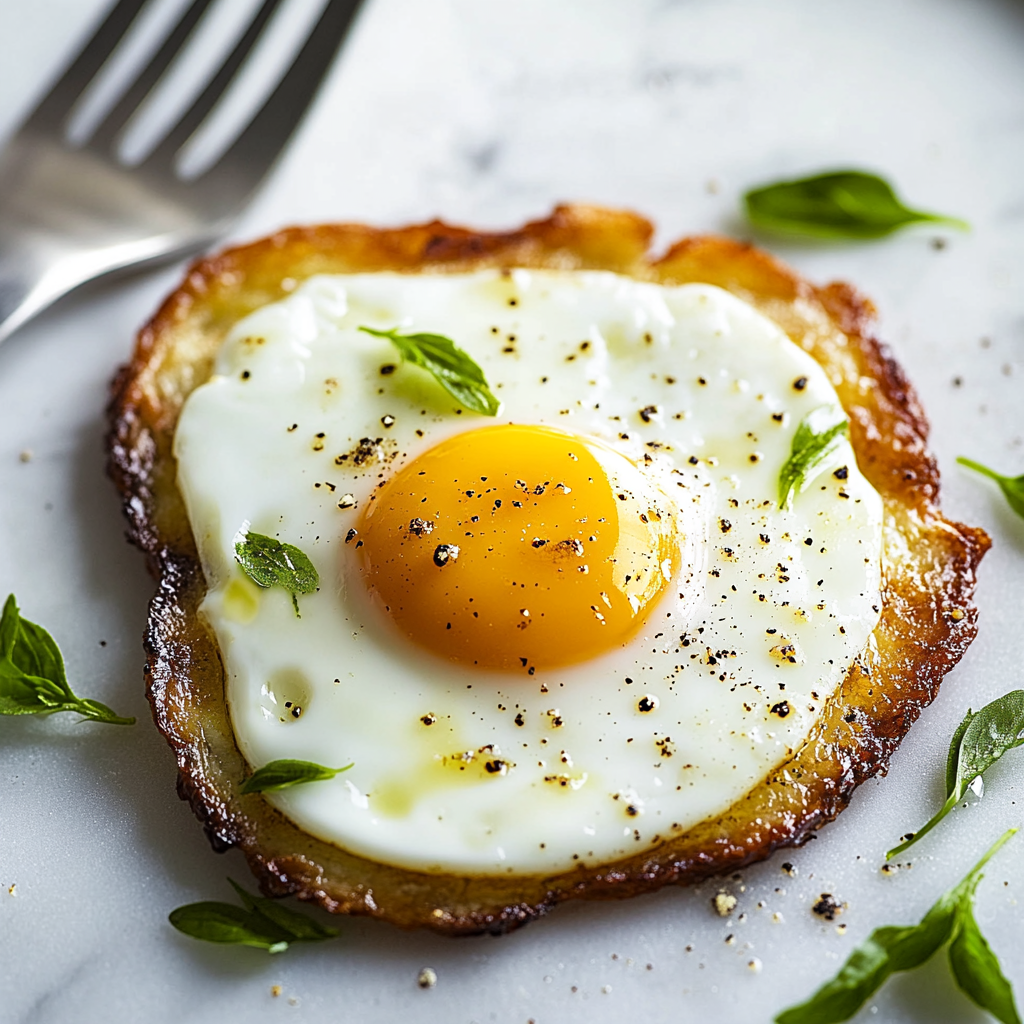
Ingredients for Fried Egg
Here’s what you’ll need to make this delicious dish:
- Fresh Eggs: Use high-quality eggs from a reliable source for the best flavor and texture.
- Butter or Oil: Choose either butter for a rich taste or oil for a healthier option; both work well.
- Salt and Pepper: These basic seasonings enhance the natural flavor of the eggs without overpowering them.
The full ingredients list, including measurements, is provided in the recipe card directly below.
How to Make Fried Egg
Follow these simple steps to prepare this delicious dish:
Step 1: Prepare Your Pan
Start by placing a non-stick skillet over medium heat. Add butter or oil to coat the bottom evenly.
Step 2: Crack the Eggs
Once the pan is hot, gently crack each egg into the skillet. Make sure not to break the yolk.
Step 3: Cook to Desired Doneness
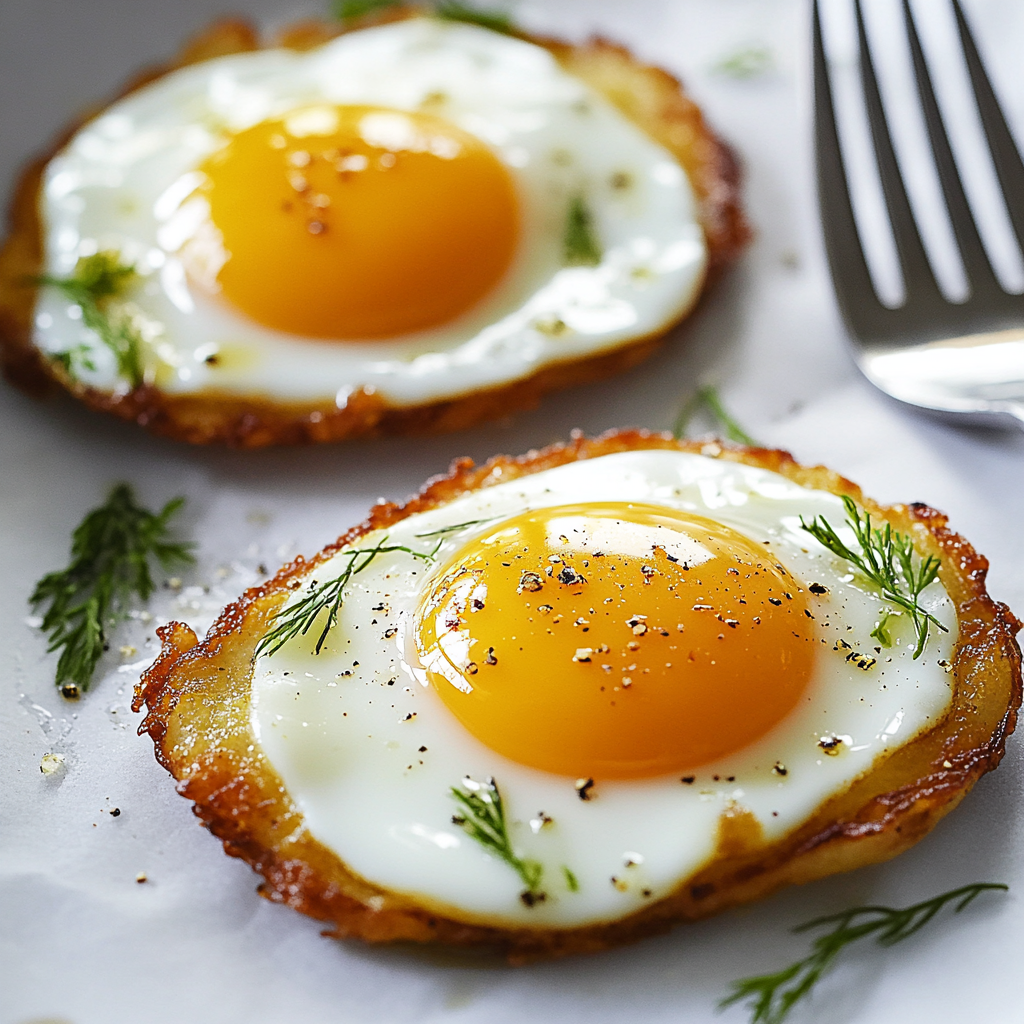
Allow the eggs to cook undisturbed until the whites are set but the yolks remain runny for sunny-side up. If you prefer over-easy eggs, carefully flip them after about two minutes.
Step 4: Seasoning
Sprinkle salt and pepper over the eggs while they cook to enhance their flavor.
Step 5: Serve Hot
Once cooked to your liking, use a spatula to transfer them onto plates immediately.
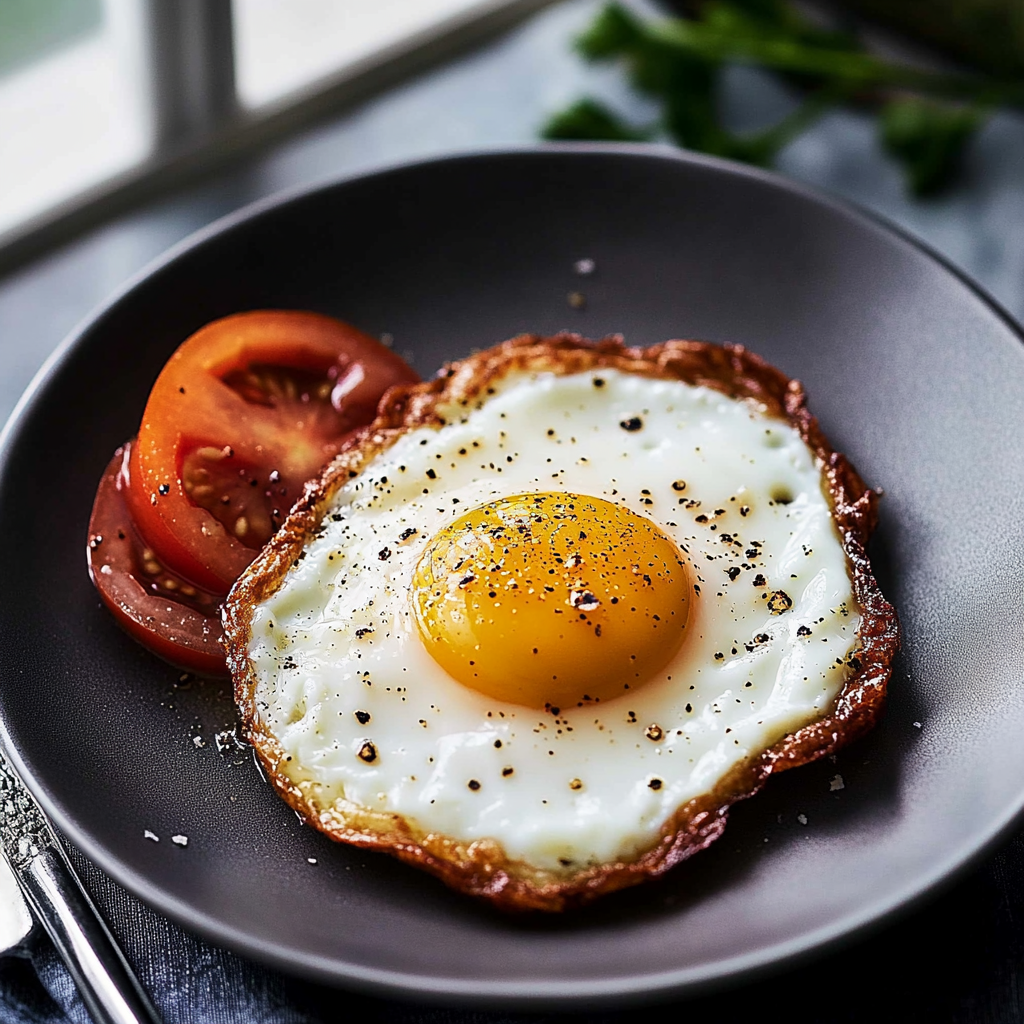
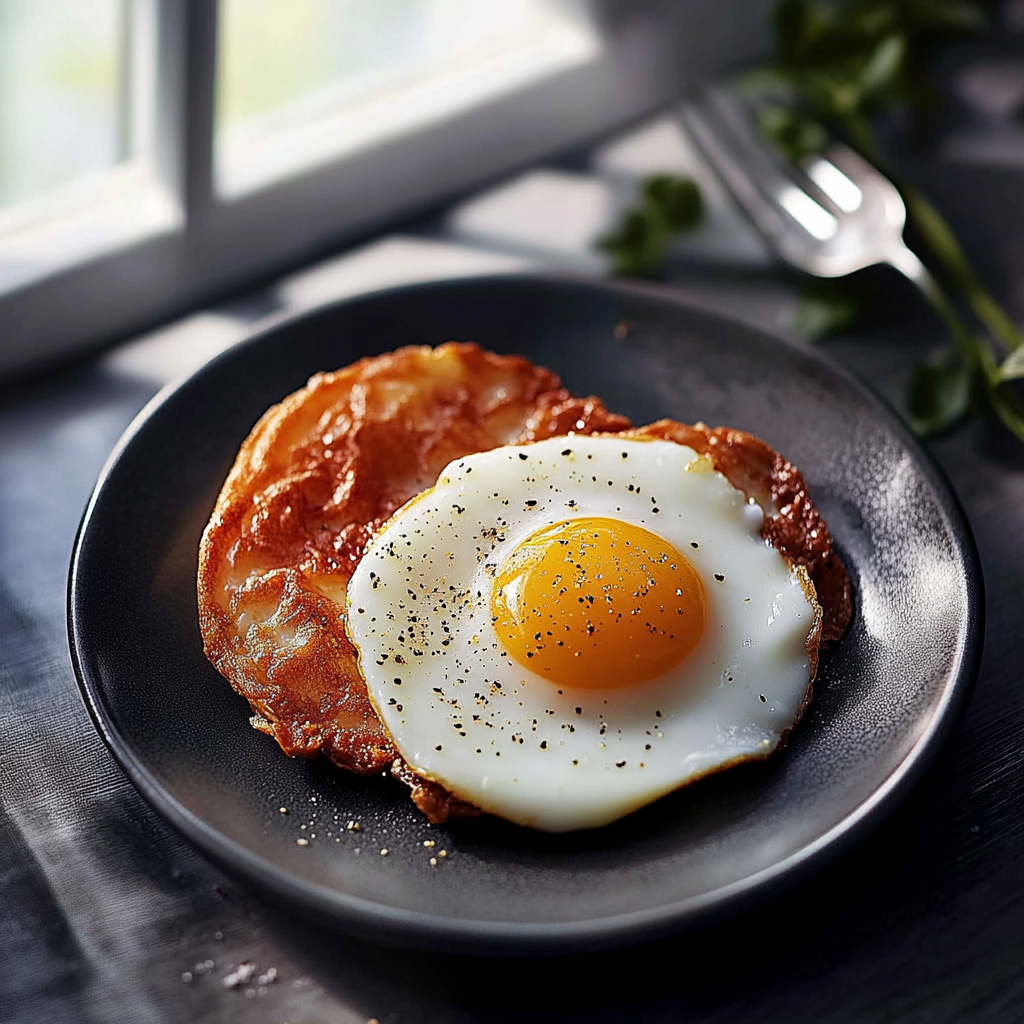
Transfer to plates and enjoy with toast or alongside other breakfast items for the perfect finishing touch.
Tips and Tricks
Here are some helpful tips to ensure the best results for your dish:
- Use Fresh Eggs: Fresh eggs yield better flavor and texture; always check expiration dates before cooking.
- Control Heat Level: Maintain medium heat throughout cooking; too high can burn edges while leaving whites runny.
- Covering Technique: For evenly cooked whites without flipping, consider covering the pan with a lid during cooking.
Ready for another treat? Check out this one!
How to Serve Fried Egg
This Fried Egg is versatile and pairs wonderfully with:
- Rice or Potatoes: A hearty base that soaks up the delicious sauce.
- Fresh Salad: Adds a crisp and refreshing contrast to the rich flavors of the dish.
- Crusty Bread: Perfect for enjoying every last drop of the flavorful sauce.
Feel free to pair it with your favorite sides for a personalized meal!
If you loved this, you?ll adore this recipe too!
Make Ahead and Storage
- Make Ahead: You can prepare components such as chopping vegetables or cooking grains a day in advance. Store them in airtight containers in the refrigerator for up to 24 hours.
- Storing: Leftover fried eggs can be stored in the refrigerator for up to three days in a sealed container. Ensure they are cooled completely before storing to maintain freshness.
- Reheating: To reheat, place the fried egg in a skillet over low heat for about two minutes or until warmed through. Alternatively, microwave it on medium power for 20-30 seconds, checking frequently to avoid overcooking.
This recipe not enough? Click here for more!
Suggestions for Fried Egg
Use Fresh Eggs
Using fresh eggs is crucial for achieving the best results when preparing a fried egg. Fresh eggs not only taste better, but they also hold their shape more effectively during cooking. When you crack a fresh egg, the whites should be thick and firm, while the yolk remains round and intact. Older eggs tend to have runnier whites and flatter yolks, which can lead to a less appealing presentation. To ensure freshness, check the packing date on the carton or perform the water test: place the egg in a bowl of water; if it sinks and lays flat, it’s fresh; if it stands upright or floats, it’s time to discard it.
Control the Heat
Controlling the heat is essential for perfecting your fried egg technique. Cooking at too high of a temperature can result in burnt edges and an overcooked yolk. A moderate heat setting allows for even cooking without compromising texture or flavor. Start by heating your skillet over medium heat and add a small amount of oil or butter before introducing the egg. If you’re unsure about the heat level, drop a small amount of water into the pan; if it sizzles gently, you’re ready to cook. This will help you achieve that beautifully cooked fried egg with crispy edges and a runny yolk.
Choose the Right Pan
The type of pan you use can significantly affect your fried egg experience. Non-stick skillets are ideal because they reduce the chances of sticking, making it easier to flip or slide out the egg without breaking it. If you prefer stainless steel or cast iron pans, be sure to preheat them adequately and use enough oil to prevent sticking. It’s also important to avoid overcrowding the pan; cooking one or two eggs at a time ensures they receive enough heat for even cooking. Choosing the right pan will make all the difference in achieving that perfect fried egg.
Season Wisely
Proper seasoning elevates your fried egg dish from ordinary to extraordinary. While salt is a must, consider experimenting with different spices and herbs to customize flavors according to your preferences. Sprinkle salt on both sides of the egg just before serving to enhance its natural taste without overpowering it. You could also try adding black pepper, paprika, or even fresh herbs like chives or parsley for added depth of flavor. Remember that simple seasonings often yield the best results; let your fried egg shine through subtle enhancements.
Hungry for more? You?ll love this one!
FAQs
How do I make sure my fried egg doesn’t stick to the pan?
To prevent your fried egg from sticking to the pan, start by using a well-seasoned non-stick skillet or ensure any other type of pan is adequately preheated before adding any fat like oil or butter. Once heated, pour in enough fat to coat the bottom evenly but avoid excessive amounts that drown your egg. Cracking your egg directly into this hot fat helps create a barrier against sticking. Additionally, avoid moving or flipping your fried egg too soon; give it time to set properly before attempting any manipulation.
Can I fry an egg without oil?
Yes! You can fry an egg without oil by using alternatives such as non-stick spray or simply utilizing a non-stick skillet effectively. Another method involves using water; place a bit of water in a skillet once heated and then cover it with a lid after cracking in your egg?this method steams the top while frying from below! Keep in mind that while frying without oil may reduce calories and fat content, it might affect texture slightly compared to traditional methods.
What are some variations I can try with my fried eggs?
Fried eggs offer endless possibilities for customization! Consider trying different cooking styles such as sunny-side up, over-easy, over-medium, or over-hard depending on how you prefer your yolk cooked. You could also experiment by adding toppings?try cheese slices melting atop as they cook or incorporating saut?ed vegetables like spinach or mushrooms for added nutrition and flavor. Spices and sauces like hot sauce or salsa can enhance taste too! Each variation can lend uniqueness to your fried eggs.
Is there a nutritional difference between frying an egg in oil versus butter?
Both oil and butter have unique nutritional profiles when used for frying an egg but contribute similar calorie counts overall due primarily to their fat content. Olive oil is often considered healthier due to its heart-healthy monounsaturated fats and antioxidants while butter provides flavor from saturated fat but comes with cholesterol considerations if consumed excessively. The choice largely depends on personal dietary preferences?both options yield delicious results when frying an egg!
Find more mouthwatering dishes to try!
Conclusion for Fried Egg
Perfecting your fried egg requires attention to detail in various aspects?from selecting fresh ingredients to controlling heat levels during cooking. Avoid common mistakes such as using old eggs or overcrowding pans which can hinder quality results significantly. Remember that proper seasoning enhances flavors while choosing suitable cookware maximizes efficiency in preparation times too! Feel free to explore variations tailored towards personal taste preferences?there?s no limit when it comes down creativity within this simple yet versatile dish! Enjoy crafting beautiful fried eggs that will surely impress anyone at breakfast time!
Perfect Fried Egg Recipe for Breakfast
- Total Time: 10 minutes
- Yield: 1 serving
Description
Fried eggs are a delicious and versatile dish that can elevate any meal, whether served atop toast for breakfast or as a protein-packed addition to salads.
Ingredients
- Fresh eggs
- Butter or oil
- Salt
- Pepper
Instructions
- Heat a non-stick skillet over medium heat and add butter or oil to coat the bottom evenly.
- Crack fresh eggs into the skillet gently, ensuring not to break the yolks.
- Cook until the whites are set but the yolks remain runny for sunny-side up; flip carefully after 2 minutes for over-easy.
- Season with salt and pepper while cooking.
- Serve immediately on toast or alongside your favorite breakfast items.
Notes
Use fresh eggs for better taste and texture.
Control heat to avoid burning edges while keeping yolks runny.
Try adding herbs, cheese, or spices for extra flavor variations.
- Prep Time: 5 minutes
- Cook Time: 5 minutes
- Category: Breakfast
- Method: Frying
- Cuisine: American
Nutrition
- Serving Size: 1 large fried egg (50g)
- Calories: 90
- Sugar: 0g
- Sodium: 70mg
- Fat: 7g
- Saturated Fat: 2g
- Unsaturated Fat: 5g
- Trans Fat: 0g
- Carbohydrates: 1g
- Fiber: 0g
- Protein: 6g
- Cholesterol: 210mg