Making your own homemade cake flour can be a game changer in your baking journey. If you’ve ever stood in front of the ingredient aisle confused about which type of flour to use, this guide is for you. Homemade cake flour is lighter and has a lower protein content than all-purpose flour, making it perfect for creating tender and fluffy cakes. With just a couple of ingredients that you probably already have in your pantry, you can whip up a batch in no time. Plus, knowing how to make this essential ingredient allows you to customize your baking experience and control the quality of what goes into your cakes. Whether you’re preparing a birthday cake or just indulging in some weekend baking, having homemade cake flour on hand ensures that every bite is deliciously soft and moist. Let’s delve into why you’ll love this recipe!
Why You’ll Love
- Cost-Effective: Making your own cake flour is much cheaper than buying specialty flours from the store; it saves you money while ensuring freshness.
- Customizable: You can adjust the ratio of cornstarch to all-purpose flour based on your preferences and needs, giving you control over texture.
- Simple Ingredients: With just two common ingredients needed, you’ll find that making homemade cake flour is quick and requires minimal effort.
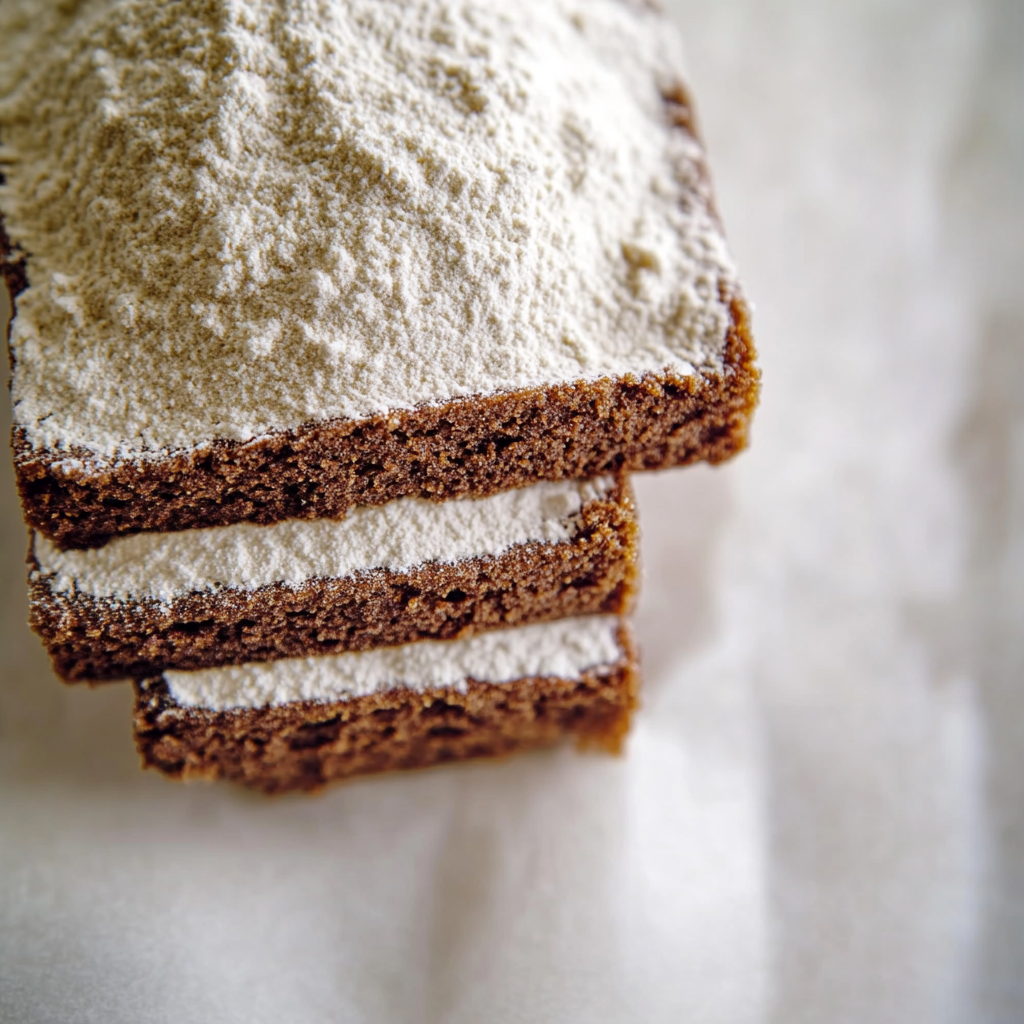
Ingredients
Here’s what you’ll need to make this delicious dish:
- All-Purpose Flour: Use any brand of all-purpose flour; it’s essential for providing the base structure of the cake.
- Cornstarch: This ingredient helps reduce the protein content of the all-purpose flour, resulting in a finer texture suitable for cakes.
The full ingredients list, including measurements, is provided in the recipe card directly below.
How to Make
Follow these simple steps to prepare this delicious dish:
Step 1: Measure Your Ingredients
Start by measuring one cup of all-purpose flour and removing two tablespoons from it. This adjustment ensures you have the right amount for creating lighter cake flour.
Step 2: Add Cornstarch
To the remaining all-purpose flour, add two tablespoons of cornstarch. This combination will yield a great texture for cakes.
Step 3: Whisk Together
In a mixing bowl, whisk together both ingredients thoroughly until they are well combined. This step ensures an even distribution of cornstarch throughout the flour.
Step 4: Sift (Optional)
For an even finer texture, sift the mixture through a fine-mesh sieve into another bowl. While this step isn?t necessary, it does enhance the lightness.
Step 5: Store Properly
Transfer your homemade cake flour into an airtight container. Store it in a cool place or refrigerate it if you’re not using it right away.
Step 6: Use as Needed
Whenever you’re ready to bake, simply use this homemade cake flour as a one-to-one substitute for store-bought versions in any recipe.
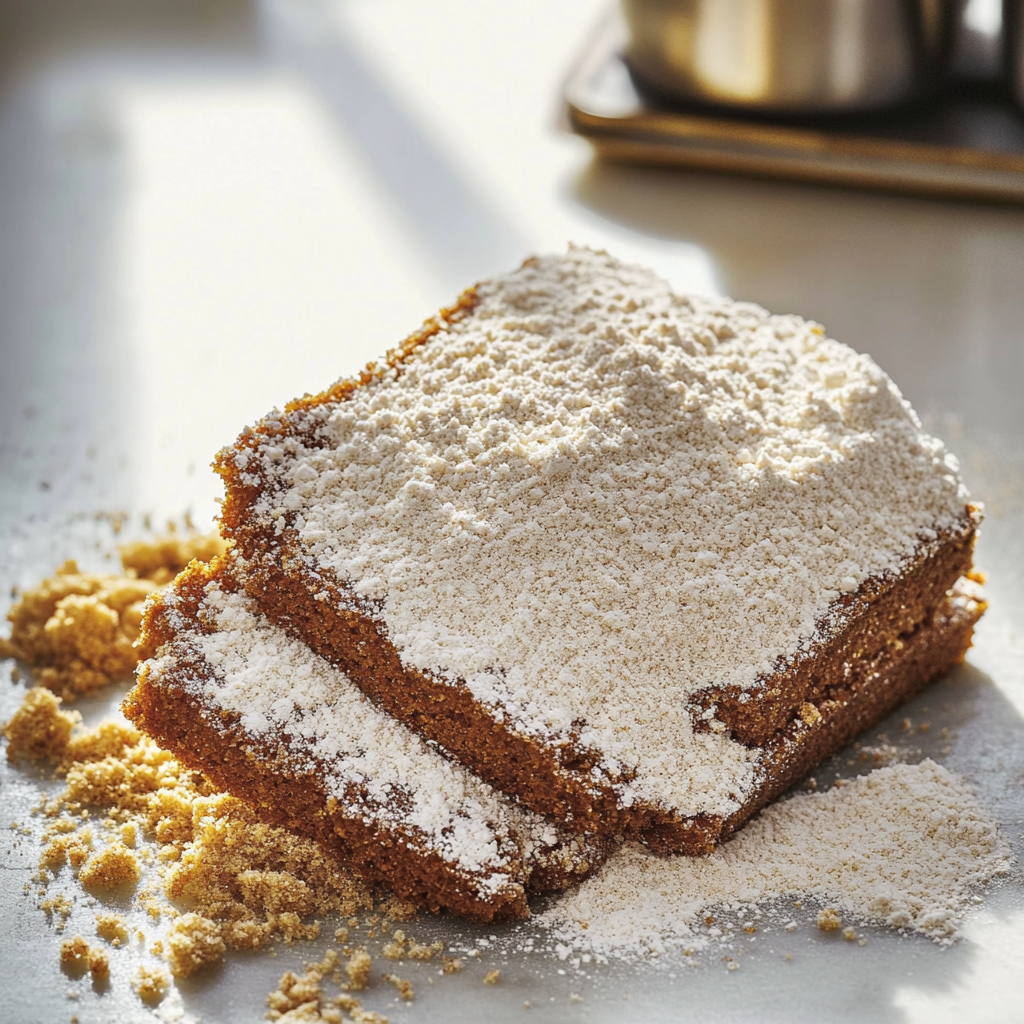
Transfer to plates and enjoy fluffy cakes made with your very own homemade cake flour!
Tips and Tricks
Here are some helpful tips to ensure the best results for your dish:
- Accurate Measurements: Always measure carefully using proper measuring cups or scales for consistent results every time.
- Fresh Ingredients: Ensure that both your all-purpose flour and cornstarch are fresh; old ingredients can affect flavor and texture.
- Room Temperature Ingredients: When using your homemade cake flour in recipes, allow other ingredients like eggs and butter to reach room temperature for better mixing.
Turn your meal into a feast with these recipes!
How to Serve
This Homemade Cake Flour is versatile and pairs wonderfully with:
- Layer Cakes: The light texture and fine crumb make it an ideal choice for creating fluffy layer cakes that rise beautifully.
- Pancakes and Waffles: Use it to create tender pancakes and waffles that are perfect for a weekend brunch or breakfast treat.
- Muffins: Homemade cake flour enhances the softness of muffins, resulting in delightful treats for any time of day.
Feel free to pair it with your favorite sides for a personalized meal!
Looking for more to make? Check out this dish!
Make Ahead and Storage
- Make Ahead: You can prepare homemade cake flour in advance by measuring the ingredients and mixing them together. Store the mixture in an airtight container at room temperature for up to one month, ensuring you sift it before use for best results.
- Storing: If you have leftover baked goods made with homemade cake flour, store them in an airtight container at room temperature for up to three days. For longer freshness, consider refrigerating them where they can last about a week.
- Reheating: To reheat baked items, preheat your oven to 350?F (175?C). Place the item on a baking sheet and cover it loosely with foil. Heat for about 10-15 minutes until warmed through, ensuring not to dry out the texture.
Suggestions
Use the Right Ingredients
When making homemade cake flour, it’s essential to use the right ingredients. All-purpose flour is often a common choice, but it has a higher protein content compared to cake flour. To achieve the desired lightness and fluffiness in your baked goods, consider replacing some of the all-purpose flour with cornstarch. A common ratio is two cups of all-purpose flour mixed with a quarter cup of cornstarch. This combination reduces the protein level, mimicking the texture of store-bought cake flour. Be sure to sift the mixture multiple times to ensure even distribution and aeration.
Measure Accurately
Accurate measurement is crucial when preparing homemade cake flour. Using too much or too little can significantly affect your cake’s texture and rise. The best practice involves spooning your flour into a measuring cup and leveling it off with a knife rather than scooping directly from the bag. This ensures you don?t pack in extra flour, which can lead to denser cakes. Investing in a kitchen scale can also help you achieve precision by measuring weight instead of volume.
Store Properly
Proper storage is key to maintaining the quality of your homemade cake flour. After preparing your mixture, transfer it into an airtight container to prevent moisture absorption and clumping. Ideally, keep it in a cool, dark place like a pantry or cupboard. If you live in a humid area, consider refrigerating or freezing your homemade cake flour to prolong its shelf life and preserve its freshness. Always bring it back to room temperature before using it in recipes.
Experiment with Ratios
Don?t hesitate to experiment with different ratios of all-purpose flour and cornstarch when making homemade cake flour. Depending on what you?re baking, you might find that certain cakes benefit from slightly different proportions. For instance, for richer cakes or those requiring more structure, you may want to use less cornstarch. Always document your ratios so you can recreate successful batches or adjust them according to taste preferences in future baking endeavors.
Love this recipe? Here?s another one to try!
FAQs
What is ?
Homemade cake flour is a lighter alternative to all-purpose flour designed specifically for baking cakes. It has a lower protein content due to its unique blend of all-purpose flour and cornstarch or another starch substitute like potato starch. The idea behind using homemade cake flour is that it produces softer cakes with a finer crumb compared to those made with regular all-purpose flour.
How do I make ?
To make homemade cake flour, start with two cups of all-purpose flour and remove about four tablespoons from that total amount. Replace those removed tablespoons with an equal amount of cornstarch or another starchy ingredient like potato starch or arrowroot powder. Sift this mixture together several times to ensure it?s well combined and aerated before using it in your recipes.
Can I substitute Homemade Cake Flour for All-Purpose Flour?
Yes, you can substitute homemade cake flour for all-purpose flour in most recipes, especially those that call for cakes and pastries. However, because cake flour has less protein than all-purpose flour, adjustments may be necessary based on other ingredients used in your recipe. It’s wise to keep an eye on liquid ratios as well since homemade cake flour may absorb moisture differently.
How long does Homemade Cake Flour last?
Homemade cake flour typically lasts about three months if stored properly in an airtight container at room temperature. If you choose to refrigerate or freeze it, you can extend its shelf life significantly?up to six months when frozen! Just remember always to allow it time to return to room temperature before using it in any recipe for optimal results.
The perfect follow-up to this dish is right here!
Conclusion
Making homemade cake flour is an excellent way to improve your baking results without needing specialized ingredients from the store. By understanding how essential accurate measurements are and experimenting with various ingredient ratios, you’ll be able to create a delightful blend suited perfectly for your baking needs. Remember always to store your mixture properly to maintain its freshness over time?this will ensure every bake remains as good as the last! With these tips in mind, you’re now equipped with everything needed for successful baking adventures using homemade cake flour!
Homemade Cake Flour
- Total Time: 0 hours
- Yield: Approximately 1 cup of homemade cake flour 1x
Description
Homemade cake flour is a simple yet transformative ingredient that can elevate your baking from good to great. This lightweight flour, with its lower protein content, is perfect for creating tender and fluffy cakes. With just two pantry staples?all-purpose flour and cornstarch?you can whip up this essential ingredient in minutes. Not only does homemade cake flour save you money, but it also allows for customization based on your baking needs. Whether you’re crafting a delicate layer cake or soft muffins, this recipe ensures that every bite is moist and delightful. Get ready to impress your family and friends with your baking prowess using this easy-to-follow guide!
Ingredients
- 1 cup all-purpose flour
- 2 tablespoons cornstarch
Instructions
- Measure 1 cup of all-purpose flour, then remove 2 tablespoons.
- Add 2 tablespoons of cornstarch to the remaining flour.
- Whisk both ingredients together thoroughly until well combined.
- (Optional) Sift the mixture through a fine-mesh sieve for an even lighter texture.
- Store the homemade cake flour in an airtight container until ready to use.
Notes
For a finer crumb, sift the flour-cornstarch mixture multiple times before use.
Experiment with different ratios of cornstarch to all-purpose flour to achieve your desired texture.
- Prep Time: 5 minutes
- Cook Time: N/A
- Category: Baking
- Method: Mixing
- Cuisine: American
Nutrition
- Serving Size: 1 cup (120g)
- Calories: 455
- Sugar: 0g
- Sodium: 4mg
- Fat: 1g
- Saturated Fat: 0g
- Unsaturated Fat: 0g
- Trans Fat: 0g
- Carbohydrates: 95g
- Fiber: 3g
- Protein: 10g
- Cholesterol: 0mg