Making your own multigrain bread at home is not only rewarding but also a healthier option compared to store-bought varieties. This multigrain bread recipe combines various grains and seeds for a nutritious twist that elevates your breakfast or lunch. Whether you enjoy it toasted with butter or as the base for a hearty sandwich, this homemade bread is versatile and satisfying. In just a few simple steps, you can create a loaf that?s crusty on the outside and soft on the inside. So roll up your sleeves and get ready to impress your family and friends with your baking skills! With wholesome ingredients packed into every slice, you?ll feel good about what you?re serving.
Why You’ll Love This Multigrain Bread
- Nutritious Choice: Packed with fiber and essential nutrients from various grains, this multigrain bread supports better digestion and overall health.
- Great Flavor Profile: The combination of different grains and seeds creates a rich taste that enhances any meal or snack.
- Easy to Make: With straightforward steps and minimal equipment required, this recipe is perfect for both novice bakers and seasoned pros.

Ingredients for Multigrain Bread
Here’s what you’ll need to make this delicious dish:
- Whole Wheat Flour: This will form the base of your dough, adding fiber and a hearty flavor.
- All-Purpose Flour: Balances the texture of the bread while providing the necessary gluten for structure.
- Mixed Seeds (sunflower, flaxseed, sesame): These add crunchiness and boost nutritional value with healthy fats.
- Yeast: Use active dry yeast for leavening; it helps the dough rise beautifully.
- Warm Water: Activates the yeast; ensure it’s around 110?F (43?C) for best results.
- Honey or Sugar: Adds a touch of sweetness that complements the earthy flavors of the grains.
The full ingredients list, including measurements, is provided in the recipe card directly below.
How to Make Multigrain Bread
Follow these simple steps to prepare this delicious dish:
Step 1: Prepare Your Yeast
In a small bowl, mix warm water with honey or sugar. Sprinkle yeast over the top and let it sit for about five minutes until frothy.
Step 2: Combine Dry Ingredients
In a large mixing bowl, whisk together whole wheat flour, all-purpose flour, and mixed seeds until evenly combined.
Step 3: Mix Wet Ingredients
Once your yeast mixture is frothy, pour it into the dry ingredients along with additional warm water if needed. Stir until combined.
Step 4: Knead the Dough
Transfer the dough onto a floured surface. Knead for about ten minutes until smooth and elastic.
Step 5: Let It Rise
Place the kneaded dough in a greased bowl. Cover it with a damp cloth and let it rise in a warm place for about one hour or until doubled in size.
Step 6: Shape and Bake
After rising, punch down the dough gently to release air bubbles. Shape it into a loaf and place it in a greased pan. Allow it to rise again for about thirty minutes before baking at 375?F (190?C) for about thirty-five minutes.
Transfer to plates and enjoy fresh slices of multigrain bread spread with butter or used as sandwich bread!

Tips and Tricks
Here are some helpful tips to ensure the best results for your dish:
- Kneading Technique: Ensure you knead thoroughly; this develops gluten which gives structure to your loaf.
- Baking Temperature: Use an oven thermometer to check if your oven is at the correct temperature before baking.
- Add Extra Seeds: For added texture, sprinkle extra seeds on top of your shaped dough before baking.
Elevate your meals with these tasty suggestions.
How to Serve Multigrain Bread
This Multigrain Bread is versatile and pairs wonderfully with:
- Rice or Potatoes: A hearty base that soaks up the delicious sauce.
- Fresh Salad: Adds a crisp and refreshing contrast to the rich flavors of the dish.
- Crusty Bread: Perfect for enjoying every last drop of the flavorful sauce.
Feel free to pair it with your favorite sides for a personalized meal!

Feast your eyes on more delicious options!
Make Ahead and Storage
- Make Ahead: You can prepare the dough for Multigrain Bread up to a day in advance. Simply mix all ingredients, let it rise for about an hour, then refrigerate it in an airtight container. When ready to bake, allow it to come to room temperature and complete the second rise for about 30 minutes before baking.
- Storing: Store leftover Multigrain Bread at room temperature in a breadbox or wrapped in a kitchen towel for up to three days. For longer storage, slice the bread and place it in an airtight container or freezer bag; it can be frozen for up to three months without losing quality.
- Reheating: To reheat slices of Multigrain Bread, preheat your oven to 350?F (175?C). Place the slices on a baking sheet and cover them with foil. Heat for about 10-15 minutes until warm. Alternatively, toast individual slices in a toaster until they reach your desired crispness.
Add some variety to your kitchen?browse more recipes.
Suggestions for Multigrain Bread
Use Fresh Ingredients
Using fresh ingredients is crucial when making multigrain bread. Stale flour or expired grains can significantly affect the taste and texture of your bread. Always check the expiration dates on your ingredients before starting. Furthermore, using fresh yeast instead of old can lead to better rising and a lighter loaf. Incorporate freshly milled grains whenever possible for added nutrition and flavor. Remember, quality ingredients yield quality results. If you?re unsure about the freshness of your ingredients, it?s better to purchase new ones rather than risk ruining your multigrain bread.
Measure Accurately
Accurate measurements are essential for baking multigrain bread successfully. Even a slight deviation in ingredient quantities can lead to dense or overly dry bread. Use a kitchen scale for precise measurement, especially when dealing with flour and grains, as they can vary in weight depending on how they are packed. Liquid ingredients should also be measured carefully; too much water can make the dough sticky, while too little can result in a dry loaf. Following the recipe closely ensures that your multigrain bread rises properly and has the perfect texture every time.
Knead Properly
Kneading is a critical step in making multigrain bread that many bakers overlook. Proper kneading develops gluten, which gives the bread structure and chews. If you under-knead the dough, it will not rise well, leading to a dense loaf. On the other hand, over-kneading can create an overly tough texture. Aim for about 10 minutes of kneading by hand or around 5-7 minutes if using a stand mixer. Keep an eye on the dough; it should be smooth and elastic after kneading. This step is vital for achieving that perfect rise and fluffy texture.
Allow Adequate Rising Time
Rising time is often underestimated when baking multigrain bread. Giving your dough enough time to rise allows yeast to produce air bubbles, which contributes to a light, airy loaf. If you rush this process, you may end up with flat or dense bread. Generally, let your dough rise until it has doubled in size, which usually takes about one hour in a warm environment. For best results, cover the dough with a damp cloth or plastic wrap to retain moisture during rising. Patience pays off in achieving deliciously fluffy multigrain bread.

Want to try something new? Check out these recipes!
FAQs
What types of grains can I use in Multigrain Bread?
Multigrain bread is versatile and allows you to experiment with various grains. Common choices include whole wheat flour, oats, barley, and rye, each contributing unique flavors and textures. You may also add seeds such as flaxseeds or sunflower seeds for extra crunch and nutrition. The key is to balance different grains so that none overpower the others while maintaining a harmonious blend that enhances both taste and health benefits.
How do I store homemade Multigrain Bread?
Storing homemade multigrain bread properly ensures its freshness for longer periods. Allow the bread to cool completely before wrapping it tightly in plastic wrap or aluminum foil to prevent staleness. If you plan on keeping it for more than a few days, consider freezing slices individually wrapped in plastic wrap or freezer bags for easy access later on. When ready to eat, simply toast or thaw at room temperature for deliciously fresh-tasting slices.
Can I substitute all-purpose flour with whole grain flour in Multigrain Bread?
Yes, substituting all-purpose flour with whole grain flour is feasible when making multigrain bread but keep in mind that this may alter the texture and density of your loaf. Whole grain flour absorbs more liquid than all-purpose flour; therefore, you might need to adjust the liquid content in your recipe accordingly. Experimenting with different ratios will help you find the perfect balance that maintains flavor while ensuring optimal texture.
Why did my Multigrain Bread turn out dense?
A dense multigrain bread often results from several common mistakes during preparation. Insufficient rising time is a primary factor; if your dough doesn?t have enough time to expand fully due to yeast activity, it will become tough and heavy instead of light and fluffy. Additionally, improper measurements can lead to excess flour or insufficient hydration?both detrimental to achieving an airy texture. Ensure accurate measuring techniques and allow adequate rising time for best results.
Explore our full recipe collection for more ideas
Conclusion for Multigrain Bread
In summary, making perfect multigrain bread requires attention to detail at every stage?from choosing fresh ingredients and accurate measurements to proper kneading techniques and allowing sufficient rising time. Avoid common mistakes such as rushing through processes or neglecting ingredient quality for optimal results. By following these suggestions closely along with understanding typical FAQs related to multigrain bread baking challenges, you’ll enhance both your skills and enjoyment of this nutritious loaf style immensely! With practice, you’ll master this wholesome recipe that fills your home with delightful aromas while nourishing your body.
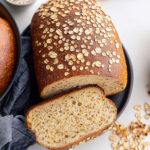
Easy Homemade Multigrain Bread Recipe
- Total Time: 50 minutes
- Yield: Approximately 12 slices 1x
Description
Multigrain bread is a wholesome homemade delight that combines the goodness of various grains and seeds into a single loaf. This easy recipe results in a nutritious bread bursting with flavor, making it perfect for sandwiches, toasting, or simply enjoying with butter. The crusty exterior gives way to a soft, fluffy interior, ensuring each slice is satisfying and delicious. Plus, you can customize the grains and seeds to suit your taste preferences, delivering health benefits and culinary joy in every bite.
Ingredients
- 2 cups whole wheat flour
- 1 cup all-purpose flour
- 1/2 cup mixed seeds (sunflower, flaxseed, sesame)
- 2 teaspoons active dry yeast
- 1 1/4 cups warm water (110?F or 43?C)
- 2 tablespoons honey or sugar
- 1 teaspoon salt
Instructions
- Prepare the yeast: Mix warm water with honey/sugar; let sit until frothy (about 5 minutes).
- In a large bowl, whisk together whole wheat flour, all-purpose flour, and mixed seeds.
- Combine the frothy yeast mixture with the dry ingredients; stir until well blended.
- Knead the dough on a floured surface for about 10 minutes until smooth and elastic.
- Let the dough rise in a greased bowl covered with a damp cloth for about an hour or until doubled in size.
- Punch down the dough gently, shape into a loaf, place in a greased pan, and let rise again for about 30 minutes.
- Bake at 375?F (190?C) for approximately 35 minutes or until golden brown.
Notes
For added texture, sprinkle extra seeds on top before baking.
Experiment with different grains like oats or barley for unique flavors.
Store leftover bread wrapped tightly at room temperature for up to three days or freeze for longer storage.
- Prep Time: 15 minutes
- Cook Time: 35 minutes
- Category: Bread
- Method: Baking
- Cuisine: Various
Nutrition
- Serving Size: 1 slice
- Calories: 130
- Sugar: 2g
- Sodium: 160mg
- Fat: 3g
- Saturated Fat: 0.5g
- Unsaturated Fat: 2g
- Trans Fat: 0g
- Carbohydrates: 23g
- Fiber: 4g
- Protein: 5g
- Cholesterol: 0mg