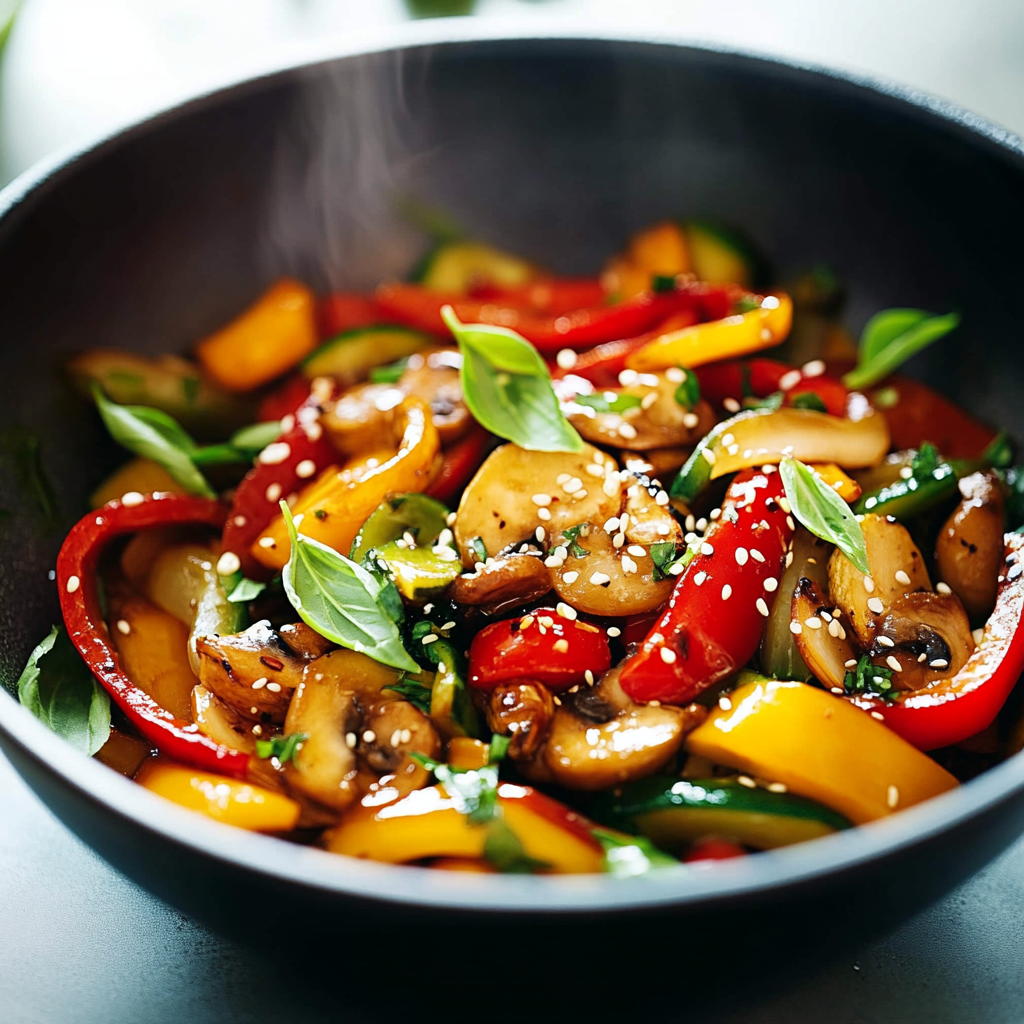
Stir fry vegetables are a delightful way to enjoy a colorful array of veggies while keeping meals quick and nutritious. This versatile dish is not only packed with vitamins but also allows you to experiment with various ingredients according to your taste. Whether you’re looking for a simple weeknight dinner or a vibrant side dish for your next gathering, this stir fry offers both flavor and convenience. By using fresh produce and aromatic seasonings, you’ll create a tantalizing blend of textures and tastes that can please any palate.
The beauty of stir frying lies in its speed; in just a few minutes, you can transform fresh vegetables into a delicious meal. From crisp bell peppers to tender broccoli, the possibilities are endless. Moreover, this dish is highly adaptable; whether you prefer classic Asian flavors or want to incorporate unique spices from around the world, it?s all achievable within one pan. Plus, you can serve it over rice or noodles for an even heartier meal.
In this article, we will delve into the main ingredients needed for the perfect stir fry vegetables recipe, provide step-by-step instructions on how to prepare it effectively, and offer tips on serving and storing leftovers. Let?s embark on this culinary adventure that promises not only deliciousness but also health benefits!
Main Ingredients
Fresh Broccoli
Fresh broccoli is an essential ingredient in our stir fry vegetables recipe. This green powerhouse is rich in vitamins C and K as well as fiber. For this recipe, you?ll need about 2 cups of broccoli florets. Cut them into bite-sized pieces so they cook evenly in the hot oil. Broccoli adds not only nutrition but also a satisfying crunch to your dish.
Bell Peppers
Bell peppers bring sweetness and vibrant color to your stir fry. You can choose from red, yellow, or green varieties based on your preference. For this recipe, use two medium-sized bell peppers?one red and one yellow?for an appealing visual contrast. Slice them into strips for easy cooking and maximum flavor absorption.
Carrots
Carrots are another fantastic addition that enhances both flavor and texture in your stir fried vegetables. You will need 2 medium carrots for this recipe; peel them first before slicing them into thin rounds or julienne strips. Carrots offer natural sweetness along with beta-carotene, which converts into vitamin A in the body.
Snow Peas
Snow peas add a delightful crispness to the mix while providing essential nutrients like vitamins A and C. Gather around 1 cup of snow peas for this recipe; simply trim off their ends before adding them to the pan. Their bright green color will make your dish visually appealing while their sweet taste complements other veggies beautifully.
Garlic
Garlic is indispensable when it comes to enhancing flavors in any dish. You will need about three cloves of garlic minced finely for this recipe. This aromatic ingredient not only boosts taste but also offers numerous health benefits such as anti-inflammatory properties.
Soy Sauce
Soy sauce serves as the salt component in our stir-fried vegetables while contributing umami flavor that elevates this dish significantly. Use ? cup of low-sodium soy sauce to keep it healthier without sacrificing flavor depth.
Olive Oil
For cooking our veggies effectively at high heat without burning them, olive oil is recommended due to its high smoke point compared to other oils like butter or vegetable oil. You will require about 2 tablespoons of olive oil for saut?ing all ingredients evenly until tender yet crisp.
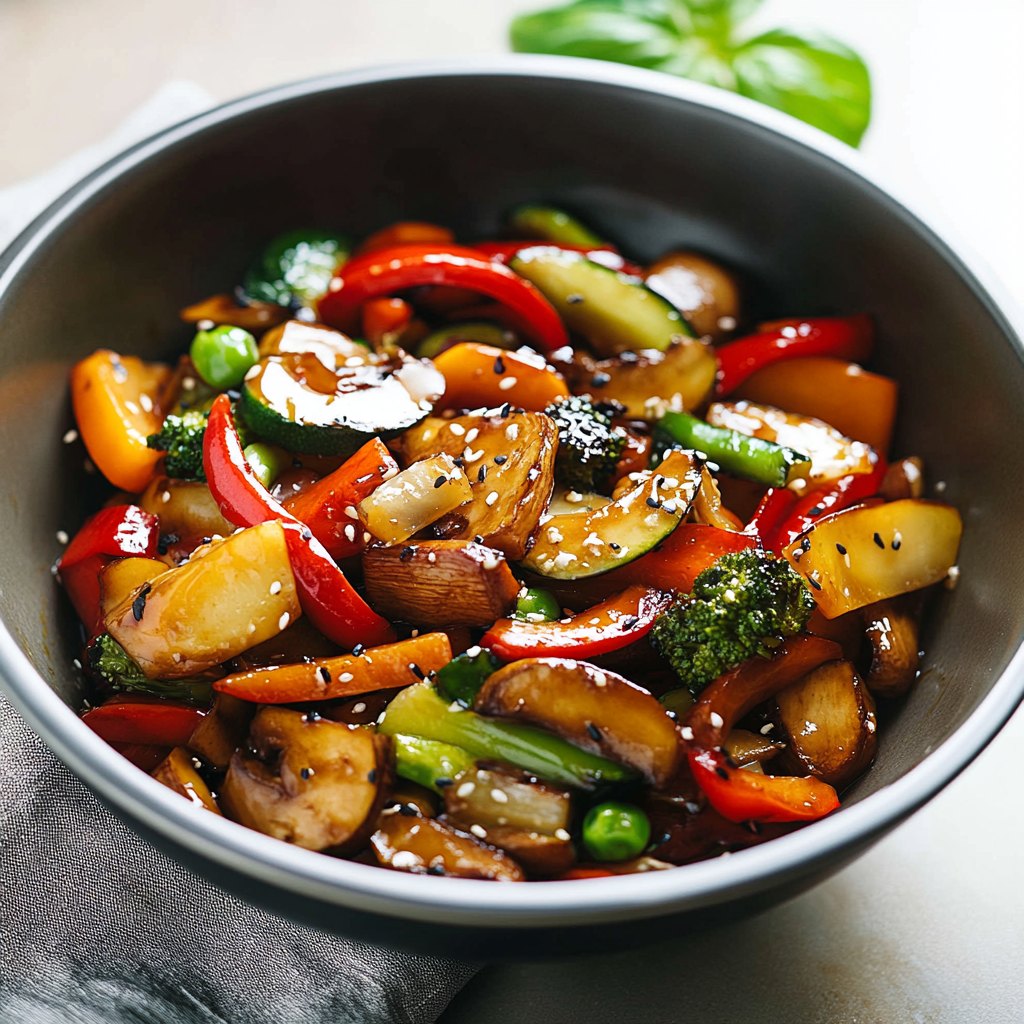
How to Prepare Stir Fry Vegetables
Step One: Prepare Your Ingredients
Before diving into cooking your stir fry vegetables, take some time to prepare all ingredients thoroughly. Start by washing all fresh produce under running water; this removes any dirt or pesticide residue. After drying them with a clean cloth or paper towel, chop your broccoli into bite-sized florets while slicing bell peppers into uniform strips?this ensures even cooking throughout.
Next up are the carrots; peel them carefully before cutting them either into thin rounds or matchstick shapes based on personal preference! Snow peas should be trimmed at each end; their delicate structure cooks quickly so they can be added towards the end of frying time for optimal crunchiness.
Minced garlic requires attention too! Use a sharp knife to finely chop three cloves until they resemble tiny granules?the aroma will enhance during cooking! Finally measure out your soy sauce beforehand so it’s ready when needed during saut?ing.
Step Two: Heat the Oil
With everything prepped up nicely now it?s time for some action! Grab a large skillet or wok that heats evenly across its surface area; place it over medium-high heat until hot enough (you’ll know it’s ready when drops of water sizzle upon contact). Once heated adequately pour in about two tablespoons of olive oil?swirl around gently ensuring full coverage across bottom surface area which prevents sticking later on during frying process!
After allowing olive oil sufficient time (around 30 seconds) to warm up further?add minced garlic immediately! Saut? garlic lightly until golden brown (approximately 1 minute); avoid burning as bitterness ruins overall flavor profile! Once garlic releases delightful aroma proceed swiftly toward next step!
Step Three: Add Vegetables Sequentially
Now begins fun part?adding those beautifully prepared veggies sequentially! Start by tossing broccoli florets directly into hot skillet first since they require slightly longer cooking time than others?stirring continuously ensures even heat distribution throughout each piece (about 3-4 minutes).
Next introduce sliced bell peppers followed closely by carrot rounds?continue stirring frequently ensuring nothing sticks at bottom! After another 2-3 minutes has passed introduce snow peas last; given their delicate nature they need minimal exposure under heat (around 1-2 minutes max). Keep stirring gently until all veggies have softened yet maintained vibrant colors!
Step Four: Incorporate Soy Sauce
With all fresh produce added alongside desired seasoning let?s elevate those heavenly aromas further by incorporating soy sauce! Pour measured amount directly over cooked veggies while tossing everything together thoroughly ensuring each piece gets coated evenly?a wonderful glaze develops almost instantly imparting savory notes throughout entire mixture!
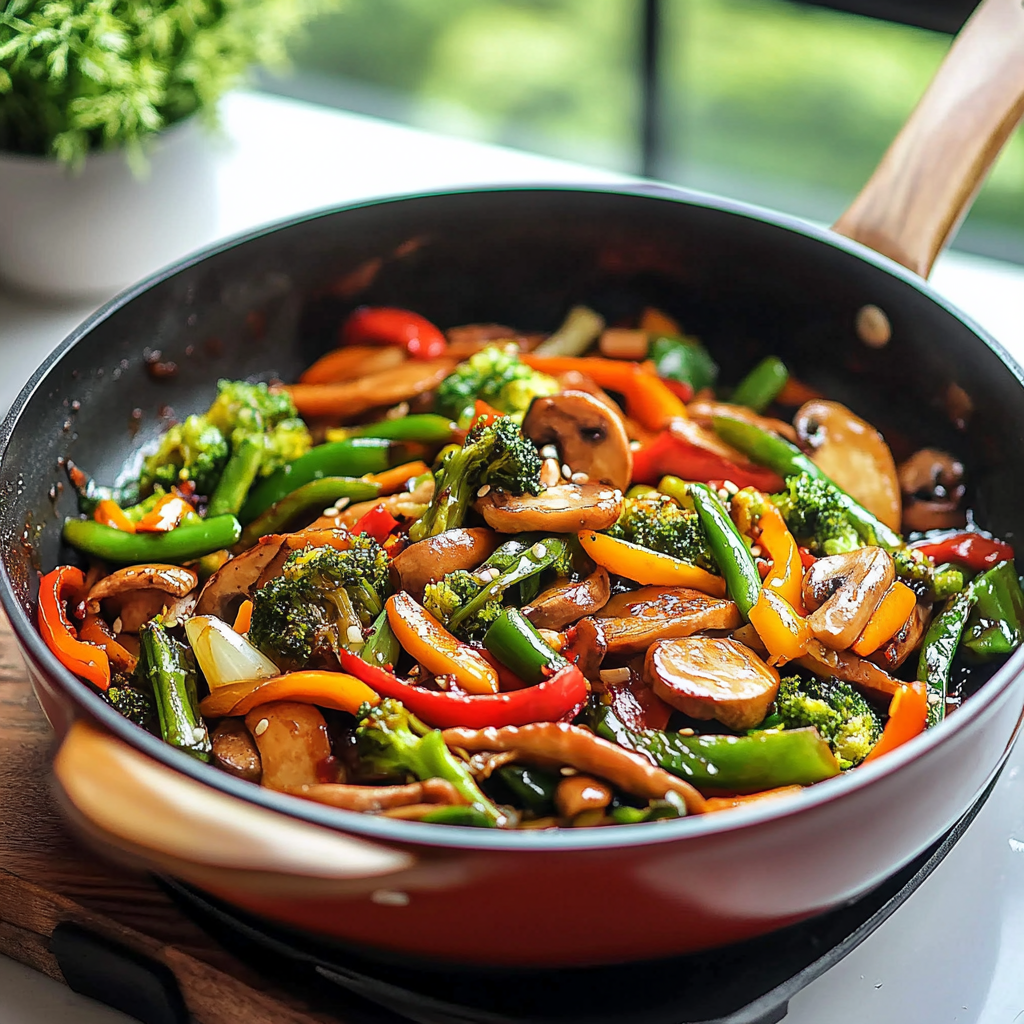
Allow saut?ing process continue briefly (1 more minute) allowing flavors meld together beautifully creating mouthwatering experience awaits ahead! Once done remove from heat source immediately transferring entire contents onto serving platter?garnishing optionally with sesame seeds if desired!
Serving and Storing Tips
Serving Suggestions
Once you’ve completed cooking your stunning stir fry vegetables dish it’s time to serve! There are multiple ways you could present these beautiful creations ensuring maximum enjoyment by everyone indulging at table setting! One popular method involves pairing freshly made vegetable blend alongside fluffy steamed rice?white jasmine rice pairs wonderfully with traditional Asian flavors while brown rice adds nuttiness enhancing overall health benefits too!
Alternatively if seeking heartier option consider tossing cooked noodles directly through veggie mix right before serving?spaghetti or udon work well soaking up those delicious sauces imparted earlier making every bite unforgettable experience filled with textures galore! Feel free garnishing plates lastly using fresh herbs like cilantro adding refreshing touch elevating presentation even more!
Storing Leftovers
If fortunate enough having leftovers after enjoying such flavorful feast don?t fret?you can easily store remaining portions safely extending lifespan beyond initial meal experience! Allow cooled down completely prior transferring food airtight containers ensuring sealing tightly preventing moisture loss resulting dry textures upon reheating later on too!
Refrigerate stored leftovers promptly where they’ll stay fresh between 3-5 days max depending upon ingredient freshness beforehand?ensure checking signs spoilage before consumption especially regarding delicate components like snow peas which exhibit shorter shelf lives compared others do generally speaking! When ready enjoy again simply reheat using microwave oven until piping hot again?not forgetting garnishing once more bringing life back those flavors awaiting rediscovery anew every single time served again perfect harmony indeed awaits everyone involved here ultimately enjoying delicious journey together fully satisfied after each encounter savoring best nature has offer through delightful culinary exploration embarked upon today together sharing moments created around table filled joy laughter friends family alike wholeheartedly embracing love food brings us closer together always every single day!
Why not try these dishes next?
Mistakes to avoid:
Using the Wrong Vegetables
When preparing stir fry vegetables, one common mistake is selecting the wrong types of vegetables. Not all vegetables are suitable for stir frying due to their cooking times and textures. For example, dense vegetables like carrots and broccoli require longer cooking times, while softer vegetables such as bell peppers or zucchini cook much quicker. If you mix these without considering their cooking times, you risk ending up with overcooked or undercooked ingredients. To achieve a perfectly balanced stir fry, choose vegetables that have similar cooking times or cut them into uniform sizes to ensure even cooking.
Overcrowding the Pan
Another frequent error occurs when you overcrowd the pan while making stir fry vegetables. When too many ingredients are added at once, they steam rather than fry, resulting in a soggy dish instead of the desired crispy texture. To prevent this, work in batches if necessary. It?s better to prepare smaller portions and allow each batch enough space in the pan to sear properly. This technique not only enhances the flavor but also preserves the vibrant colors and nutritional value of your vegetables.
Ignoring the Importance of High Heat
Cooking stir fry vegetables at insufficient heat can lead to a lackluster meal. High heat is essential for achieving that signature quick cooking method that gives stir fries their distinct taste and texture. Using a lower heat setting will result in steaming rather than frying, which can dull flavors and make your dish less appealing. Ensure your pan is preheated adequately before adding oil or vegetables; this helps seal in moisture and enhances caramelization, giving your dish a deliciously rich flavor.
Explore more amazing recipes right here.
Tips and tricks:
Preparing Ingredients Ahead of Time
To streamline your cooking process and make it more enjoyable, prepare all your ingredients ahead of time when making stir fry vegetables. Chop your veggies into bite-sized pieces and arrange them in bowls according to their cooking order?this ensures everything is ready when it?s time to cook. Having prepped ingredients allows you to focus on technique rather than frantic chopping during the cooking phase. This method not only saves time but also helps maintain an organized kitchen space.
Choosing the Right Oil
Selecting an appropriate oil is key for perfect stir fry vegetables. Oils with high smoke points, such as canola or peanut oil, are ideal choices because they withstand high heat without burning. Avoid using oils with low smoke points like olive oil for high-temperature stir frying; they can degrade quickly under intense heat, altering the flavor of your dish negatively. Always add oil after preheating your pan for optimal results.
Adding Sauce at the Right Time
Timing is crucial when adding sauce to your stir fry vegetables. If you add sauces too early, they may burn or become overly thickened before the dish is done cooking. Instead, wait until your vegetables are nearly cooked through before introducing any sauces or seasonings. This approach allows flavors to meld beautifully while maintaining a fresh crunch in your veggies.
Need something else to cook today? We?ve got you covered.
Suggestions for Stir Fry Vegetables:
Experimenting with Different Combinations
One of the joys of making stir fry vegetables lies in experimenting with different combinations of ingredients. Feel free to mix seasonal produce with various proteins like tofu, chicken, or shrimp for diverse flavors and textures. Don?t hesitate to try out various sauces ranging from soy sauce to teriyaki or even homemade blends infused with spices. Each combination offers a unique taste experience?be creative!
Incorporating Fresh Herbs and Spices
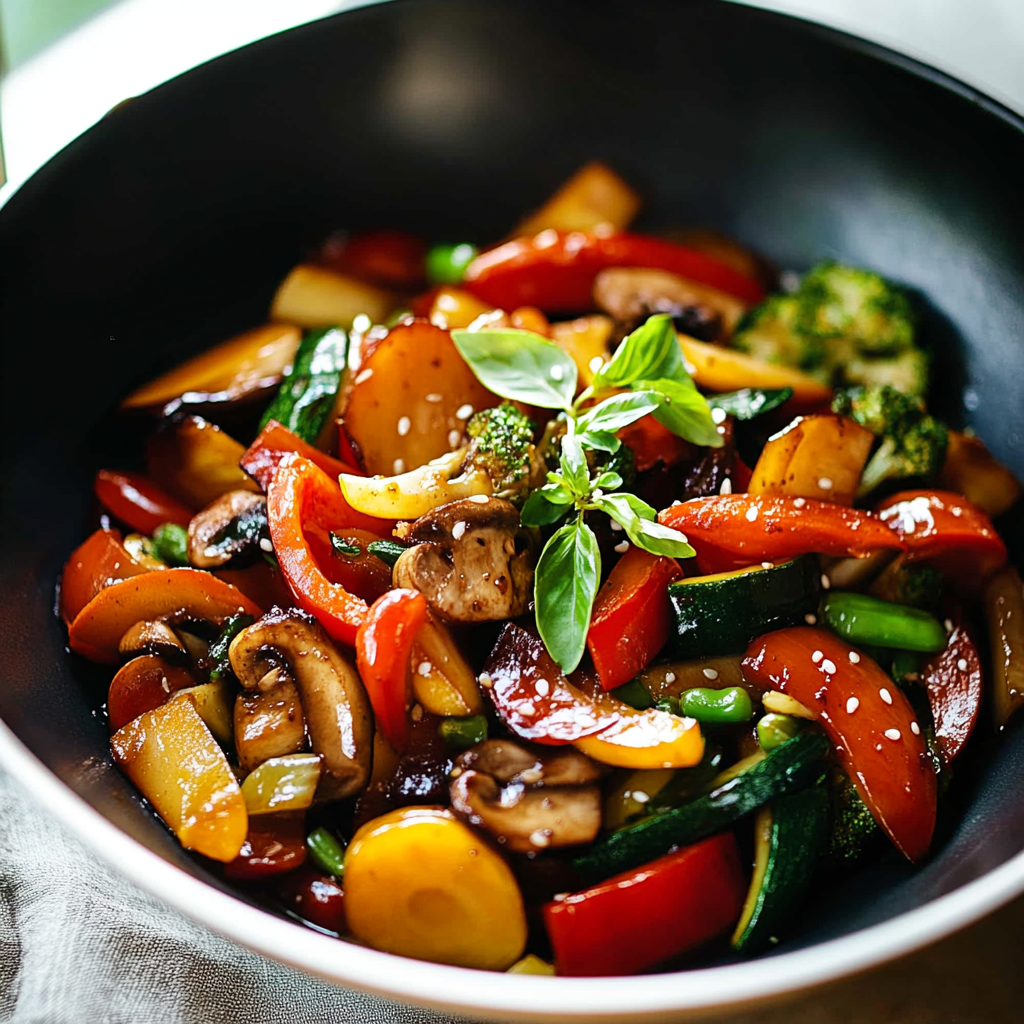
Enhancing your stir fry vegetables with fresh herbs and spices can elevate the dish significantly. Consider adding ginger or garlic for depth of flavor or sprinkle fresh cilantro or basil just before serving for brightness. These additions will not only complement but also amplify the natural tastes of your ingredients while providing extra nutritional benefits.
Adjusting Texture with Cooking Techniques
To achieve varied textures within your dish, try incorporating different cooking techniques beyond traditional saut?ing when preparing stir fry vegetables. Consider blanching denser veggies briefly before adding them into the frying pan; this method retains color and crunch but ensures they?re tender enough by meal’s end. Alternatively, finish off with a quick steam by covering the pan briefly after adding sauces?a simple trick that adds moisture without losing crispiness!
Craving more? These recipes will satisfy your taste buds!
FAQs for Stir Fry Vegetables
What are the best vegetables for stir fry?
When it comes to creating a delicious stir fry, the choice of vegetables plays a crucial role. Popular options include bell peppers, broccoli, snap peas, carrots, and bok choy. These vegetables not only bring vibrant colors to your dish but also provide essential nutrients. You can mix and match according to your preferences, adding mushrooms for an earthy flavor or zucchini for added texture. For more crunch, consider adding water chestnuts or bean sprouts at the end of cooking. Remember that each vegetable has a different cooking time, so it’s wise to cut them into uniform pieces for even cooking.
How do you make stir fry vegetables crispy?
To achieve that perfect crispy texture in your stir fry vegetables, start by ensuring your pan is hot before adding any ingredients. Wok cooking is ideal because it allows for high heat and quick cooking times. Use oils with high smoke points like canola or peanut oil to prevent burning. Add vegetables in stages based on their cooking times; denser items like carrots should go in first, followed by quicker-cooking options like bell peppers and spinach. Finally, avoid overcrowding the pan as this can cause steaming instead of frying, leading to soggy vegetables.
Can you use frozen vegetables for stir fry?
Yes, frozen vegetables can be a great option for stir fry meals! They are often flash-frozen at their peak ripeness, locking in nutrients and flavor. When using frozen veggies, there’s no need to thaw them beforehand; simply add them directly to your hot skillet or wok. However, keep in mind that frozen vegetables may release some moisture during cooking. To counteract this effect and maintain crispness, increase the heat slightly and cook them quickly. This method ensures that you enjoy delicious stir fry with minimal prep time.
What sauces pair well with stir fry vegetables?
Choosing the right sauce can elevate your stir fry vegetables from good to fantastic! Soy sauce is a classic choice that adds umami depth. For those who prefer a bit of sweetness, teriyaki sauce works wonderfully as well. If you enjoy spice, try adding sriracha or chili paste to kick things up a notch. Additionally, combining soy sauce with garlic and ginger creates a fragrant base that complements most vegetable mixes perfectly. Experimenting with different sauces allows you to discover unique flavors that suit your taste.
How long does it take to cook stir fry vegetables?
The cooking time for your stir fry vegetables depends on the types used and how crisp you want them to be. Typically, most vegetable combinations will take around 5-10 minutes over high heat in a preheated wok or skillet. Start with denser vegetables such as carrots and broccoli first; give them about 3-4 minutes before adding softer ones like bell peppers or leafy greens. Keep stirring frequently for even cooking while watching closely so they don’t overcook and lose their vibrant color and crunch.
Can I prepare stir fry vegetables ahead of time?
Absolutely! Preparing stir fry vegetables ahead of time can save you valuable minutes during busy weeknights or meal prepping sessions. Chop your chosen veggies into uniform pieces and store them in an airtight container in the refrigerator for up to three days. You can also blanch certain hearty vegetables beforehand to enhance their vibrant colors while reducing cooking time later on. Just remember that once you’re ready to cook, ensure all components?like proteins and sauces?are prepared too so you can whip everything together quickly.
For more delicious twists on this, click here.
Conclusion for Stir Fry Vegetables
Stir frying is an excellent way to whip up a healthy and colorful dish packed with nutrients from fresh or frozen ingredients. Selecting the best crisp-tender vegetables like bell peppers and broccoli enhances both flavor and visual appeal while providing essential vitamins and minerals needed for a balanced diet. Achieving that sought-after crispy texture requires high heat, appropriate oils, and careful timing when adding ingredients based on their density.
Experimenting with various sauces opens doors to endless flavor possibilities; whether you prefer soy sauce’s savory notes or teriyaki’s sweetness, there?s something out there for everyone?s palate! With just a few simple steps?prepping your veggies ahead of time?dinner can come together quickly without compromising on taste.
Overall, mastering stir fry techniques ensures that every meal becomes an exciting culinary adventure filled with delightful aromas and textures sure to please any crowd! Try incorporating seasonal produce into your next batch of stir fry vegetables for added freshness as well!
Print
Delicious Stir Fry Vegetables Recipe
- Total Time: 20 minutes
- Yield: Serves 4
Description
Stir fry vegetables are a colorful and nutritious way to enjoy a quick meal packed with flavor. This delightful dish combines fresh, crisp veggies saut?ed in aromatic garlic and umami-rich soy sauce, making it perfect for busy weeknights or as a vibrant side at gatherings. With endless possibilities for customization, you can experiment with your favorite vegetables and proteins, ensuring each bite is both satisfying and healthy.
Ingredients
2 cups broccoli florets
2 medium bell peppers (1 red, 1 yellow), sliced
2 medium carrots, thinly sliced
1 cup snow peas, trimmed
3 cloves garlic, minced
? cup low-sodium soy sauce
2 tablespoons olive oil
Instructions
Prepare all ingredients by washing and chopping them into uniform pieces.
Heat olive oil in a large skillet or wok over medium-high heat.
Add minced garlic and saut? until fragrant, about 1 minute.
Add broccoli first and stir-fry for 3-4 minutes. Then add bell peppers and carrots; cook for another 2-3 minutes.
Finally, add snow peas and soy sauce, tossing everything together for an additional minute before serving.
Notes
Feel free to mix in your choice of protein such as tofu or chicken.
Add fresh herbs like basil or cilantro for an extra burst of flavor.
- Prep Time: 10 minutes
- Cook Time: 10 minutes
Nutrition
- Calories: 120
- Fat: 5g
- Carbohydrates: 18g
- Protein: 5g