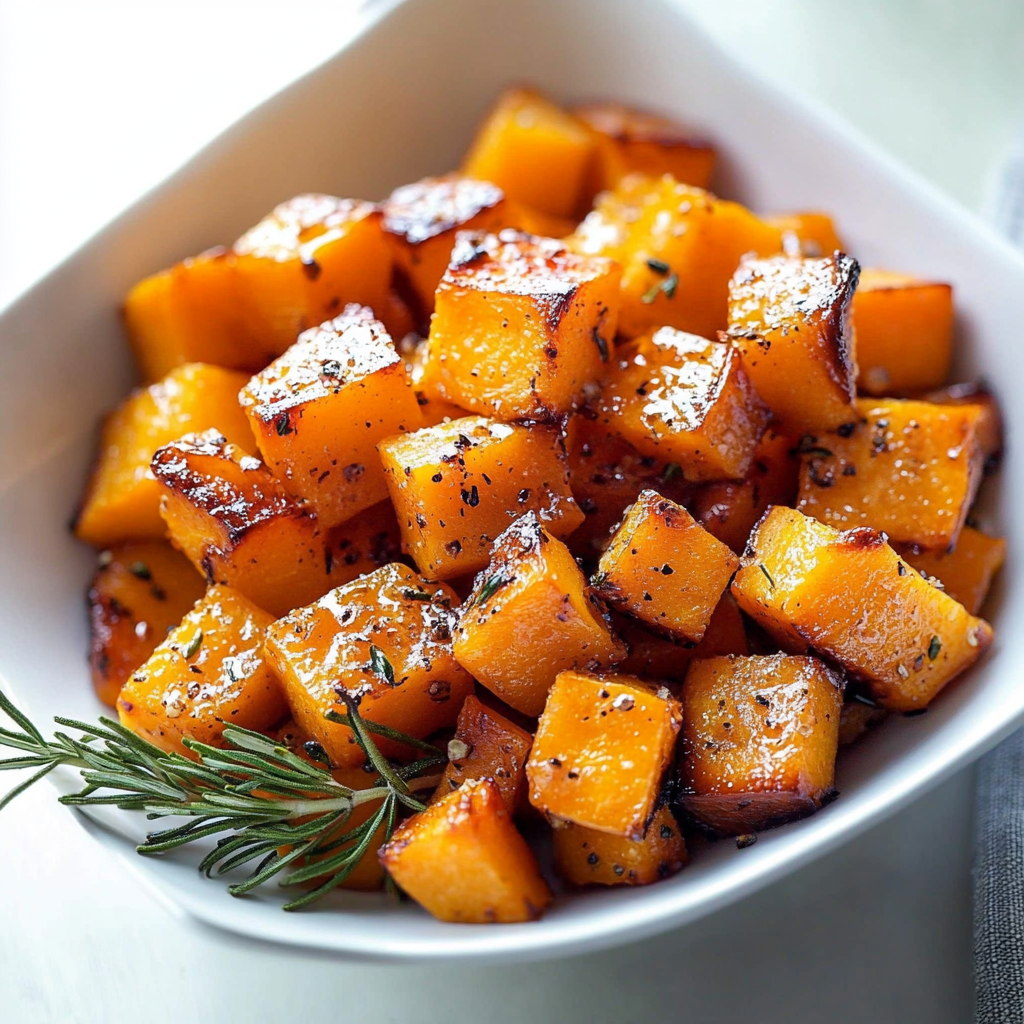
Roasted butternut squash is a delightful dish that captures the essence of autumn in every bite. This versatile ingredient not only adds a pop of color to your plate but also brings rich flavors and numerous health benefits. Whether you?re serving it as a side dish or incorporating it into a salad or soup, roasted butternut squash can elevate any meal. Packed with vitamins A and C, fiber, and antioxidants, this seasonal vegetable is as nutritious as it is delicious.
In this article, we will take you through the steps to create perfectly roasted butternut squash that is both tender and caramelized. You?ll find detailed ingredient lists and preparation methods that are easy to follow, even for novice cooks. Plus, we?ll share tips on how to serve and store your roasted squash for optimal flavor retention. Get ready to impress your family and friends with this scrumptious dish that highlights the natural sweetness of butternut squash while being simple enough to whip up any day of the week.
Main Ingredients
Butternut Squash
The star of our recipe is the butternut squash itself. You’ll need one medium-sized butternut squash weighing about 2-3 pounds. When choosing a squash, look for one with smooth skin free from blemishes or soft spots. The flesh inside should be deep orange when cut open, indicating ripeness. This ingredient is rich in vitamins A and C, making it a nutritious addition to your meals.
Olive Oil
Olive oil plays a crucial role in roasting by helping to enhance the flavor of the butternut squash while providing healthy fats. Use about 2 tablespoons of extra virgin olive oil for this recipe. Drizzling olive oil over the cut pieces allows them to roast evenly and achieve that desired caramelization without drying out.
Salt
Salt is essential for enhancing flavors in any dish. For our roasted butternut squash recipe, you’ll need about 1 teaspoon of sea salt or kosher salt. Adjust based on your taste preferences; remember that you can always add more salt later if needed!
Black Pepper
Freshly ground black pepper adds a subtle kick to our dish. Use approximately ? teaspoon of black pepper for seasoning the squash before roasting. This ingredient complements the sweetness of the butternut squash beautifully.
Optional Seasonings
While the basic ingredients are simple and wholesome, consider adding optional seasonings like garlic powder (1 teaspoon), paprika (1 teaspoon), or even cinnamon (? teaspoon) for an extra layer of flavor. These spices can enhance the natural sweetness while providing a warm aromatic touch.

How to Prepare Roasted Butternut Squash
Step 1: Preheat Your Oven
To begin preparing your roasted butternut squash, preheat your oven to 400?F (200?C). Preheating ensures that your oven reaches an optimal temperature for roasting right from the start. This step is crucial because it helps achieve that golden-brown exterior while keeping the interior tender and juicy.
Step 2: Prepare the Butternut Squash
Next, carefully wash your butternut squash under running water to remove any dirt or debris from its skin. Using a sharp knife, cut off both ends of your squash?this makes it easier to handle during peeling and chopping. Use a vegetable peeler or knife to remove the tough outer skin; take care not to remove too much flesh while peeling.
Once peeled, slice your butternut squash in half lengthwise using a sturdy knife. Scoop out all seeds using a spoon; you can save these seeds for roasting later if you wish! Cut each half into cubes?about 1-inch thick?to ensure even cooking during roasting.
Step 3: Seasoning
In a large mixing bowl, combine your cubed butternut squash with 2 tablespoons of olive oil along with salt and pepper according to taste?about 1 teaspoon of salt and ? teaspoon of black pepper should suffice here! If you’re using optional seasonings like garlic powder or paprika, add those now too! Toss everything together until all pieces are well coated in oil and seasoning; this step enhances flavor distribution across each cube as they roast.
Step 4: Arrange on Baking Sheet
Now it’s time to arrange your seasoned cubes on a baking sheet lined with parchment paper or aluminum foil?this prevents sticking and makes cleanup easier later on! Spread them out evenly without overcrowding; this allows hot air circulation around each piece resulting in more effective roasting leading towards caramelization.
Step 5: Roasting
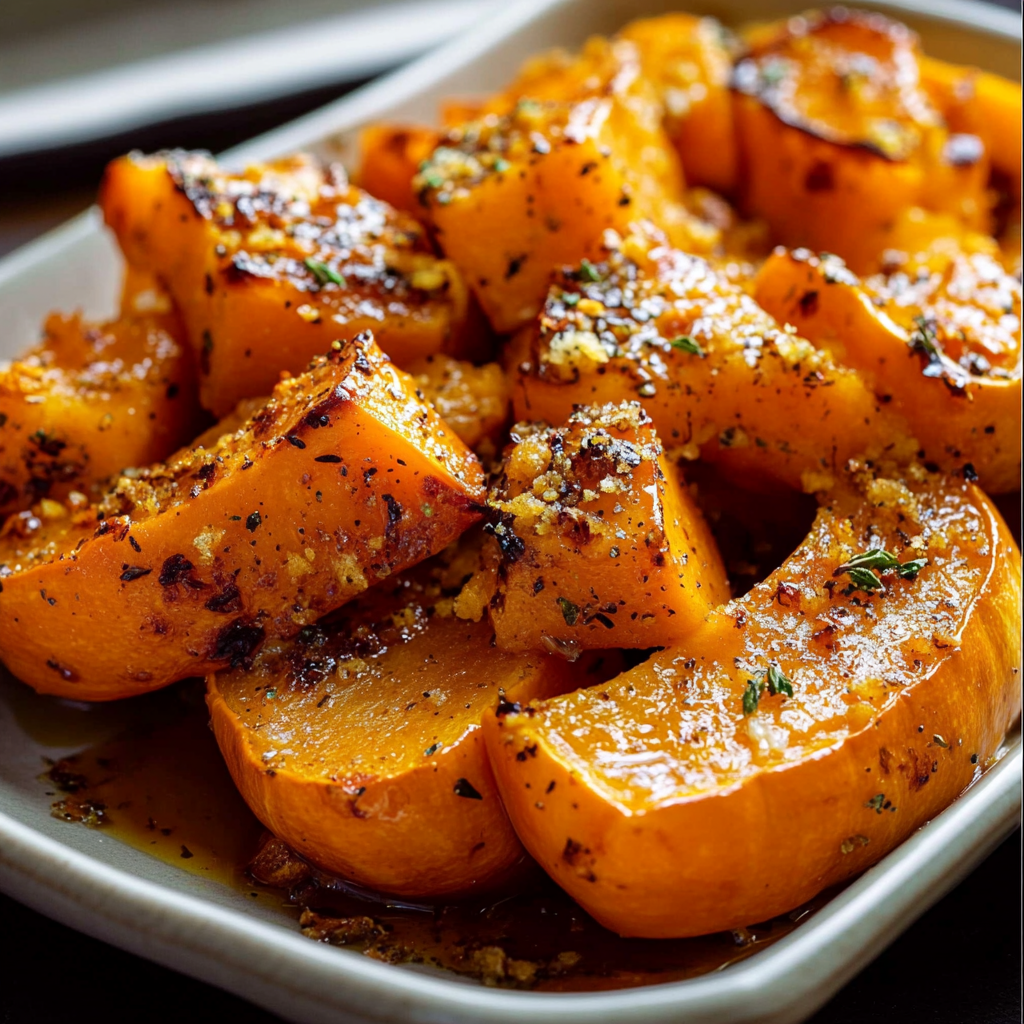
Place your baking sheet into the preheated oven! Roast for about 25-30 minutes until fork-tender; halfway through cooking time (around 15 minutes), give them a good toss so they brown evenly on all sides! Keep an eye on them during those last few minutes as ovens may vary slightly in temperature; you want golden edges without burning!
Serving and Storing Tips for Roasted Butternut Squash
Serving Suggestions
Once roasted perfectly tender yet crispy-edged?remove from oven carefully using kitchen mitts! Serve hot alongside grilled chicken breasts or atop mixed greens dressed lightly with vinaigrette for vibrant salads! For added texture contrast?try sprinkling toasted walnuts over top before serving; they provide crunchiness complementing softness from our dish wonderfully!
You could also incorporate these flavorful morsels into pasta dishes or grain bowls where their sweetness shines through harmoniously against savory components like feta cheese crumbles or saut?ed spinach! Feel free getting creative here based upon personal preference; just remember keeping portions moderate since we want everyone enjoying rather than overwhelming flavors altogether!
Storing Leftovers
If by chance there are leftovers?store cooled pieces within an airtight container placed inside refrigerator up-to five days maximum freshness retained comfortably here! To reheat simply place them back onto baking sheet at same oven temperature until warmed thoroughly again before serving once more!
Alternatively?you might choose freezing option allowing preservation longer term usage thereafter thawing overnight within fridge ahead-of-time prior reheating process mentioned earlier instead?providing flexibility around meal planning throughout week ahead ensuring no waste occurs during busy times ahead!
With these instructions complete?you?re now armed & ready embrace joyfully making delicious roasted-buttersquash anytime desired whether cozy family dinners celebrations hosting friends alike! Enjoy every mouthful knowing nourishing goodness packed within each bite while savoring satisfaction derived prepping this wholesome dish lovingly crafted uniquely yours!
Mistakes to Avoid for Roasted Butternut Squash
Not Prepping the Squash Properly
When it comes to making roasted butternut squash, proper preparation is key. Many people skip this essential step, thinking they can just chop and toss it into the oven. However, failing to peel and deseed the squash correctly can lead to a dish that’s not only hard to eat but also lacking in flavor. Always start by peeling the squash with a vegetable peeler, then cut it in half lengthwise and scoop out the seeds using a spoon. This ensures that your roasted butternut squash will have a smooth texture and absorb additional flavors from seasonings and oils.
Once you?ve prepared the squash, consider cutting it into uniform pieces. This helps them cook evenly, preventing some pieces from being overcooked while others remain underdone. Aim for cubes about one inch in size for optimal roasting results. Remember that inconsistent sizes can lead to uneven roasting, which affects both taste and presentation.
Overcrowding the Baking Sheet
Another common mistake is overcrowding the baking sheet when roasting butternut squash. Many home cooks tend to pile their chopped squash together, thinking that more will cook better. However, this often leads to steaming rather than roasting. When you crowd the pan, moisture builds up, preventing that lovely caramelization from occurring.
To achieve perfectly roasted butternut squash, ensure each piece has enough space around it on the baking sheet. A single layer with minimal overlap allows hot air to circulate around each piece, resulting in crispy edges and a tender interior. If you have more squash than fits comfortably on one sheet, consider using two sheets or roasting in batches.
Skipping Seasoning
Everyone loves flavorful roasted butternut squash, yet many people overlook seasoning during preparation. Simply tossing the squash in oil before cooking isn?t enough; seasonings elevate its natural sweetness and enhance its taste profile. A pinch of salt and pepper is a good start, but don?t shy away from experimenting with other spices like cinnamon, paprika, or garlic powder.
Incorporate your favorite herbs as well?rosemary or thyme pairs wonderfully with butternut squash. Just be sure to add these seasonings before roasting; they need time to meld into the flesh of the squash for maximum flavor impact. Neglecting this step may result in bland bites that fail to impress your guests.
Tips and Tricks for Roasted Butternut Squash
Use High-Quality Olive Oil
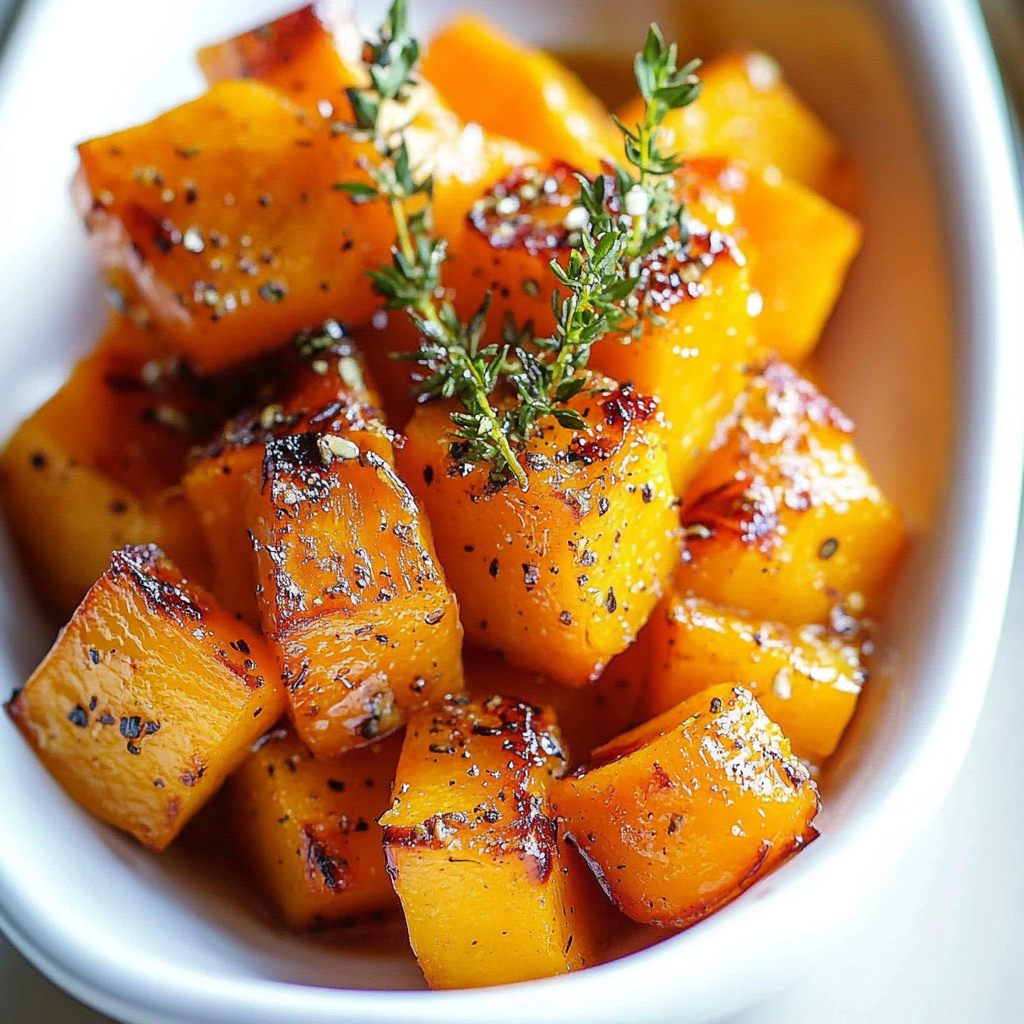
Choosing high-quality olive oil can significantly improve your roasted butternut squash dish. The type of oil you use influences both flavor and texture; therefore, investing in premium extra virgin olive oil can elevate your entire meal. Quality oil not only enhances taste but also improves browning during roasting.
When tossing your cubed butternut squash in oil, aim for a light coating rather than drowning them in it. A tablespoon or two should suffice for an entire batch; too much oil can lead to soggy results instead of crispy edges. Drizzle the olive oil evenly over your prepared pieces and toss them until all surfaces are coated without excess pooling at the bottom.
Experiment with Cooking Times
Roasting times can vary depending on your oven’s efficiency and how you cut the squash pieces. Always keep an eye on your dish as it roasts; checking periodically will help you avoid overcooking or burning. Typically, butternut squash needs around 25-30 minutes at 425?F (220?C) for optimal tenderness.
If you’re unsure about doneness, use a fork or knife to test a piece?if it pierces easily without resistance, it’s ready! Adjusting cooking times based on your specific preferences for texture can lead you closer to achieving that perfect bite every time.
Pair with Complementary Ingredients
Roasted butternut squash shines even brighter when paired with complementary ingredients during cooking or serving. Consider adding onions or garlic cloves to roast alongside; these aromatics infuse additional depth of flavor into your dish.
Also think about incorporating nuts like pecans or walnuts for added crunch once removed from heat; sprinkle them on top just before serving! Alternatively, drizzle balsamic glaze or honey over finished plates for an enticing contrast between sweetness and savory notes that will leave everyone craving more.
Suggestions for Roasted Butternut Squash
Include It in Salads
One delicious way to incorporate roasted butternut squash into your meals is by adding it to salads. The sweetness of the squash contrasts beautifully with leafy greens like arugula or spinach while providing valuable nutrients such as vitamins A and C. Start by preparing a base salad with fresh greens and then add diced roasted butternut squash along with other toppings like nuts or cranberries.
Drizzling on a light vinaigrette while still warm helps meld flavors together beautifully without making everything soggy?a common pitfall when dressing salads too early! This colorful addition not only enhances taste profiles but also makes any plate visually appealing.
Use as a Soup Base
Another fantastic suggestion is transforming roasted butternut squash into creamy soup! After roasting until tender (and perhaps even caramelized), blend it with vegetable broth until smooth?a quick process that creates velvety goodness perfect for chilly evenings ahead.
Feel free to customize your soup further by adding spices such as cumin or nutmeg for warmth; cream cheese can lend richness if desired too! Serve garnished with croutons or pumpkin seeds atop each bowl providing textural contrast alongside comforting flavors?ideal comfort food at its best!
Create Flavorful Purees
Lastly, consider using roasted butternut squash as a puree base in various recipes beyond simply serving it whole on plates! By blending cooked pieces until velvety smooth consistency forms yields versatile purees suitable for pasta sauces or as side dishes accompanying meats.
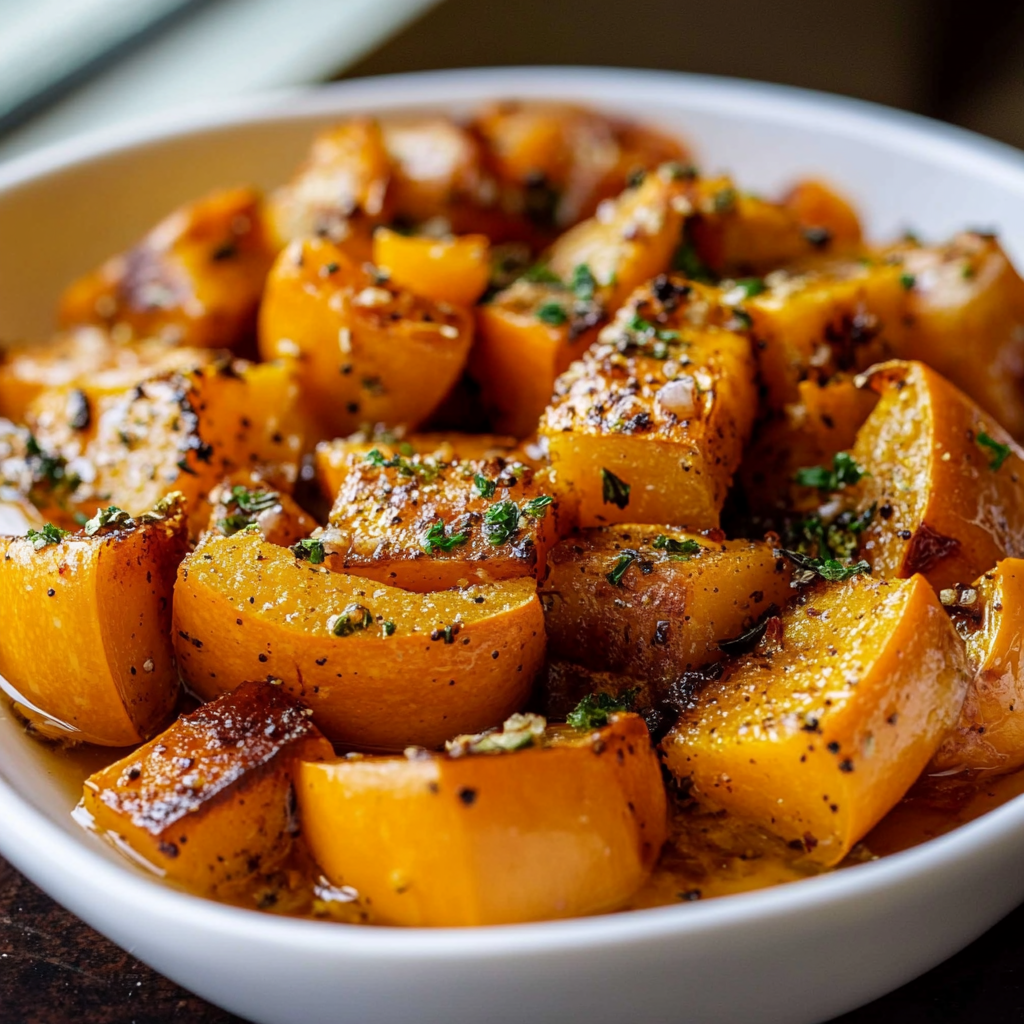
Add creaminess through yogurt integration if desired while adjusting consistency through water based upon preference?allowing room for creativity within culinary endeavors! These purees serve well alongside proteins like chicken breasts enhancing overall dining experiences across different occasions whether casual gatherings or festive dinners alike!
FAQs for Roasted Butternut Squash
What is the best way to cut butternut squash for roasting?
When preparing butternut squash for roasting, it’s essential to cut it into uniform pieces for even cooking. Start by peeling the squash with a vegetable peeler. Cut the ends off to create a flat surface, making it more stable while you work. Then, slice the squash in half lengthwise and scoop out the seeds using a spoon. Next, cut each half into slices or cubes, aiming for about one-inch pieces. This size promotes even caramelization and tenderness during roasting. Remember that smaller pieces will cook faster than larger ones, so adjust your roasting time accordingly. To enhance flavor, toss the pieces in olive oil and seasonings before placing them on a baking sheet.
How long does it take to roast butternut squash?
Roasting butternut squash typically takes between 25 to 35 minutes at a temperature of 400?F (200?C). The exact time may vary depending on the size of your squash pieces and your oven’s calibration. It’s essential to check for doneness by poking a piece with a fork; it should be tender and easily pierced. For optimal results, ensure that the squash is spread evenly on the baking sheet without overcrowding. This allows hot air to circulate around each piece, promoting even cooking and browning. If you prefer caramelized edges, consider turning the pieces halfway through roasting.
Can I use frozen butternut squash for roasting?
Yes, you can roast frozen butternut squash! However, keep in mind that frozen cubes tend to release moisture as they cook, which can affect their texture and browning. To preserve some crispness, you might want to thaw them first or adjust your roasting method. Spread the frozen pieces on a baking sheet lined with parchment paper and roast them at a higher temperature of about 425?F (220?C) for approximately 30 to 40 minutes. This increased heat helps evaporate excess moisture quickly while ensuring they achieve a delicious roasted flavor.
What spices pair well with roasted butternut squash?
Roasted butternut squash pairs beautifully with various spices and herbs that enhance its natural sweetness. Cinnamon and nutmeg provide warm flavors that evoke autumn vibes. Cumin adds an earthy depth, while smoked paprika gives a subtle heat and richness. For a savory twist, consider using garlic powder or rosemary. You can also drizzle maple syrup or honey over the squash before roasting for added sweetness?perfect for balancing the savory elements in your dish. Experimenting with different combinations allows you to tailor flavors according to your preferences.
How do I store leftover roasted butternut squash?
Storing leftover roasted butternut squash is simple! Allow it to cool completely before transferring it into an airtight container. It can be refrigerated for up to five days without losing its quality and flavor. If you’d like to keep it longer, consider freezing it; just place cooled portions in freezer-safe bags or containers after squeezing out excess air. When ready to use, thaw overnight in the refrigerator or reheat directly from frozen in an oven set at 350?F (175?C) until heated through. Leftover roasted squash works great in salads or as a side dish.
What are some serving suggestions for roasted butternut squash?
Roasted butternut squash offers versatility when it comes to serving options! You can enjoy it warm as a side dish alongside protein like chicken or turkey for balanced meals. Tossing it into salads adds color and texture?mix with greens, nuts, feta cheese, or cranberries for delightful contrast. Additionally, pureeing roasted squash makes an excellent base for soups; blend with vegetable broth and seasonings until smooth! For breakfast lovers, try adding roasted cubes atop oatmeal or pancakes?a nutritious way to start your day!
Conclusion for Roasted Butternut Squash
Roasted butternut squash is not only a delicious addition to any meal but also incredibly versatile and nutritious. With its sweet flavor profile and creamy texture when cooked properly, this vegetable easily complements various dishes throughout any season. Whether you’re following simple recipes or experimenting with spices like cinnamon or cumin, there’s no shortage of ways to enjoy this delightful ingredient.
Remember that cutting techniques significantly influence how evenly your squash cooks; aim for uniform sizes when dicing or slicing before roasting them at appropriate temperatures?typically around 400?F (200?C). If you’re short on time or prefer convenience, using frozen options remains viable too! And don’t forget about leftovers?store them correctly so they remain fresh throughout the week.
In summary, whether served warm as part of dinner or blended into soup form for lunch later on?it deserves recognition among vegetables due its rich taste potential! So go ahead: roast some butternut squashes today; you’ll be glad you did!
Print
Roasted Butternut Squash
- Total Time: 40 minutes
- Yield: Serves 4
Description
Roasted butternut squash is a seasonal favorite that embodies the warmth and flavor of autumn. This simple yet satisfying dish transforms the humble squash into a sweet, caramelized delight perfect for any meal. Whether served as a side dish, tossed in salads, or blended into soups, its versatility shines through. The natural sweetness pairs beautifully with spices like cinnamon and paprika, making it an appealing addition to your culinary repertoire.
Ingredients
1 medium butternut squash (2–3 pounds)
2 tablespoons extra virgin olive oil
1 teaspoon sea salt
? teaspoon black pepper
Optional seasonings: 1 teaspoon garlic powder, 1 teaspoon paprika, or ? teaspoon cinnamon
Instructions
Preheat the oven to 400?F (200?C).
Peel the butternut squash, cut off both ends, slice it in half lengthwise, and scoop out the seeds. Cut into uniform 1-inch cubes.
In a large bowl, toss the squash cubes with olive oil, salt, pepper, and any optional seasonings until evenly coated.
Spread the seasoned cubes on a baking sheet lined with parchment paper in a single layer.
Roast for 25-30 minutes until tender and lightly caramelized, tossing halfway through for even browning.
Notes
For added crispiness, avoid overcrowding the baking sheet.
Experiment with different spices or add nuts for texture.
- Prep Time: 10 minutes
- Cook Time: 30 minutes
Nutrition
- Calories: 120
- Fat: 3g
- Carbohydrates: 28g
- Fiber: 6g
- Protein: 2g