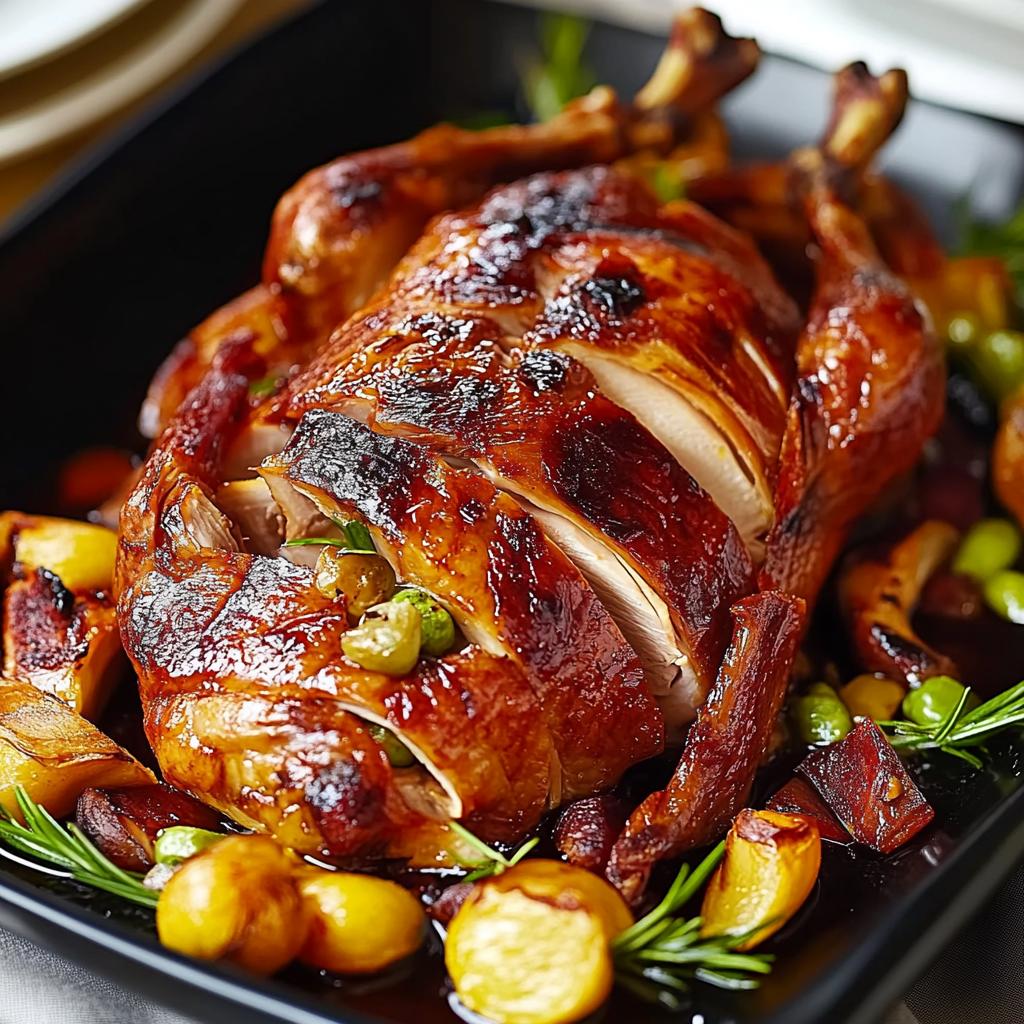
Roast duck is a culinary delight that transforms any meal into a memorable experience. Whether you?re hosting a special occasion or simply want to indulge in something extraordinary, mastering the art of roast duck can elevate your dining game. Known for its rich flavor and succulent meat, roast duck captivates taste buds with every bite. The crispy skin adds an irresistible crunch that complements the tender meat beneath. This article provides a comprehensive guide on how to prepare the perfect roast duck right in your kitchen.
In this recipe, we will explore the essential ingredients needed for a mouthwatering dish, along with step-by-step instructions that ensure success. You?ll learn how to achieve that coveted golden-brown skin while keeping the meat juicy and flavorful. Additionally, we will share serving suggestions and storage tips so you can enjoy your delicious creation long after the meal is done.
Join us as we delve into the world of roast duck?an impressive dish that?s surprisingly easy to prepare at home. With just a few techniques and some patience, your roast duck will be the star of any dinner table. Let?s get started on this culinary adventure!
Main Ingredients for Roast Duck
Duck
The star ingredient of this recipe is, of course, the duck itself. For a perfect roast duck, choose a high-quality whole duck weighing between 4 to 5 pounds. Look for ducks with firm skin and plump breast meat for optimal flavor and texture. Ducks are known for their rich taste which sets them apart from other poultry options like chicken or turkey.
Salt
Salt plays a crucial role in enhancing the flavor of the roast duck. Use kosher salt or sea salt for seasoning both inside and outside the bird. A generous rub of salt not only adds taste but also helps draw out moisture from the skin, creating that signature crispiness when roasted. Aim for about 2 tablespoons of salt for a 4 to 5-pound duck.
Herbs
Fresh herbs like thyme and rosemary add aromatic flavors that elevate the dish’s profile. Their earthy notes complement the richness of the duck perfectly. You will need about one tablespoon each of finely chopped thyme and rosemary to infuse warmth into your roast.
Garlic
Garlic adds depth to the overall flavor profile of the dish. Use whole cloves for roasting inside the cavity of the duck; they will mellow during cooking and impart a delicious aroma throughout the meat. Around six cloves should suffice for a well-seasoned bird.
Orange
Citrus fruits like orange provide brightness that balances out the richness of the meat beautifully. One large orange should be cut into quarters and placed inside the cavity before roasting; this infuses lightness into each bite while enhancing moisture levels during cooking.
How to Prepare Roast Duck
Step 1: Preparing Your Duck
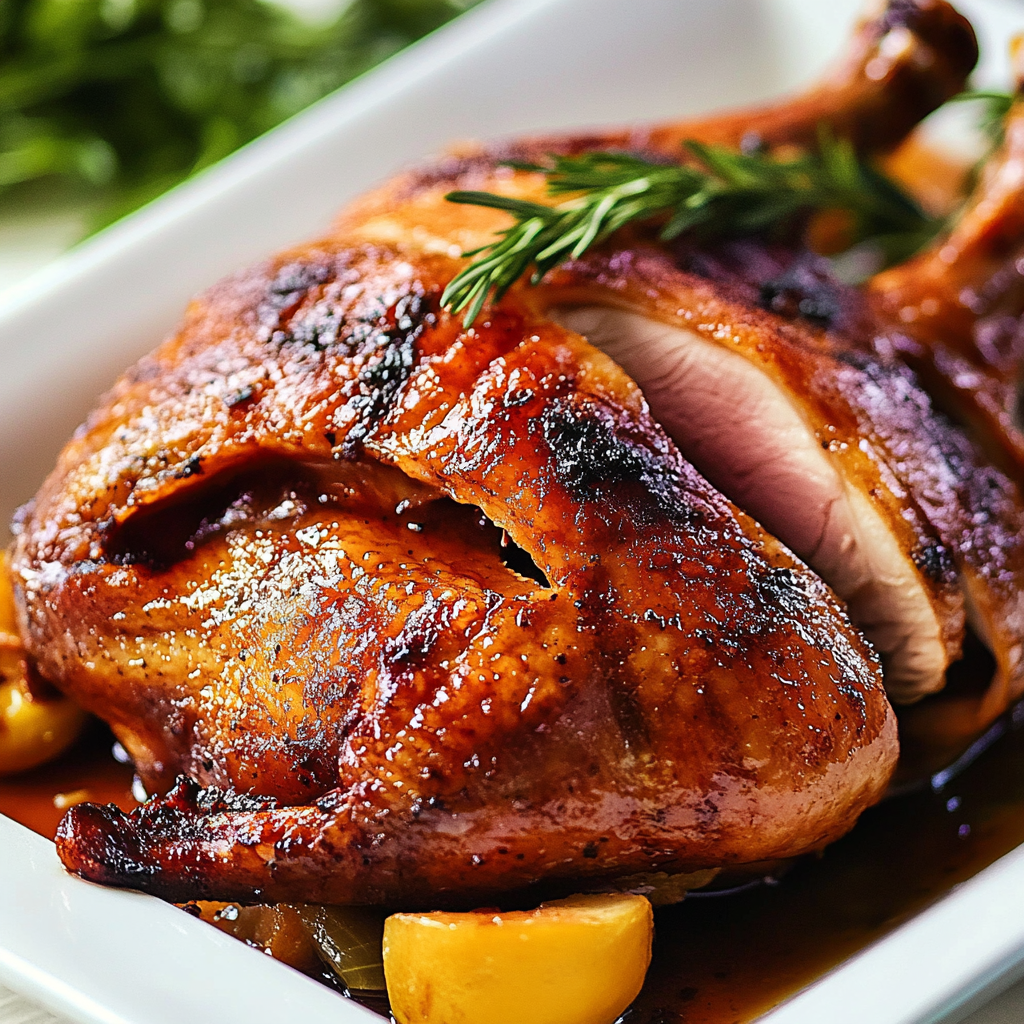
Begin by preheating your oven to 375?F (190?C). While it heats up, take your whole duck out of its packaging and remove any giblets from inside its cavity; set those aside if you wish to make gravy later on. Rinse your bird under cold water to clean it thoroughly before patting it dry with paper towels?this step is essential since moisture on surface areas can prevent crisping during roasting.
Next, use a sharp knife to score shallow cuts into its skin in a crosshatch pattern?be careful not to cut into flesh! This allows fat underneath to render out more effectively during cooking while providing extra surface area for achieving crispy skin later on.
Once scored appropriately all around (particularly around thighs), apply salt generously both inside cavity as well as all over exterior using about two tablespoons total?this ensures even seasoning throughout while promoting desired crispiness when roasting begins.
Step 2: Seasoning Inside Cavity
After salting generously outside bird?s skin comes time for additional flavorings! Begin by stuffing quartered orange pieces inside cavity along with whole garlic cloves mentioned earlier alongside herbs (thyme & rosemary). These aromatics will meld together beautifully releasing fragrant scents throughout entire home as it cooks away! Ensure stuffing does not block airflow within cavity so heat circulates evenly during roasting process which contributes towards consistently cooked results without dryness occurring anywhere specific part either!
Step 3: Roasting Process
Transfer your prepared bird onto roasting pan fitted with rack positioned above bottom layer allowing fat drippings collect below without touching directly against flesh itself! Place pan into preheated oven ensuring enough space exists around edges permitting air circulation freely circulate?this will guarantee even cooking throughout entire body preventing unevenly browned areas forming later down line through improper heat distribution across surfaces encountered earlier stages prior baking phase commencing now!
Allow approximately one hour pass before checking internal temperature regularly using reliable meat thermometer inserted deep within thigh region avoiding bone contact?as soon temperatures reach around 165?F (74?C) mark remove from oven promptly covering loosely aluminum foil resting atop untouched surfaces allowing redistribute juices internally ensuring moist texture achieved upon slicing servings later shared friends family alike!
Serving and Storing Tips for Roast Duck
Serving Suggestions
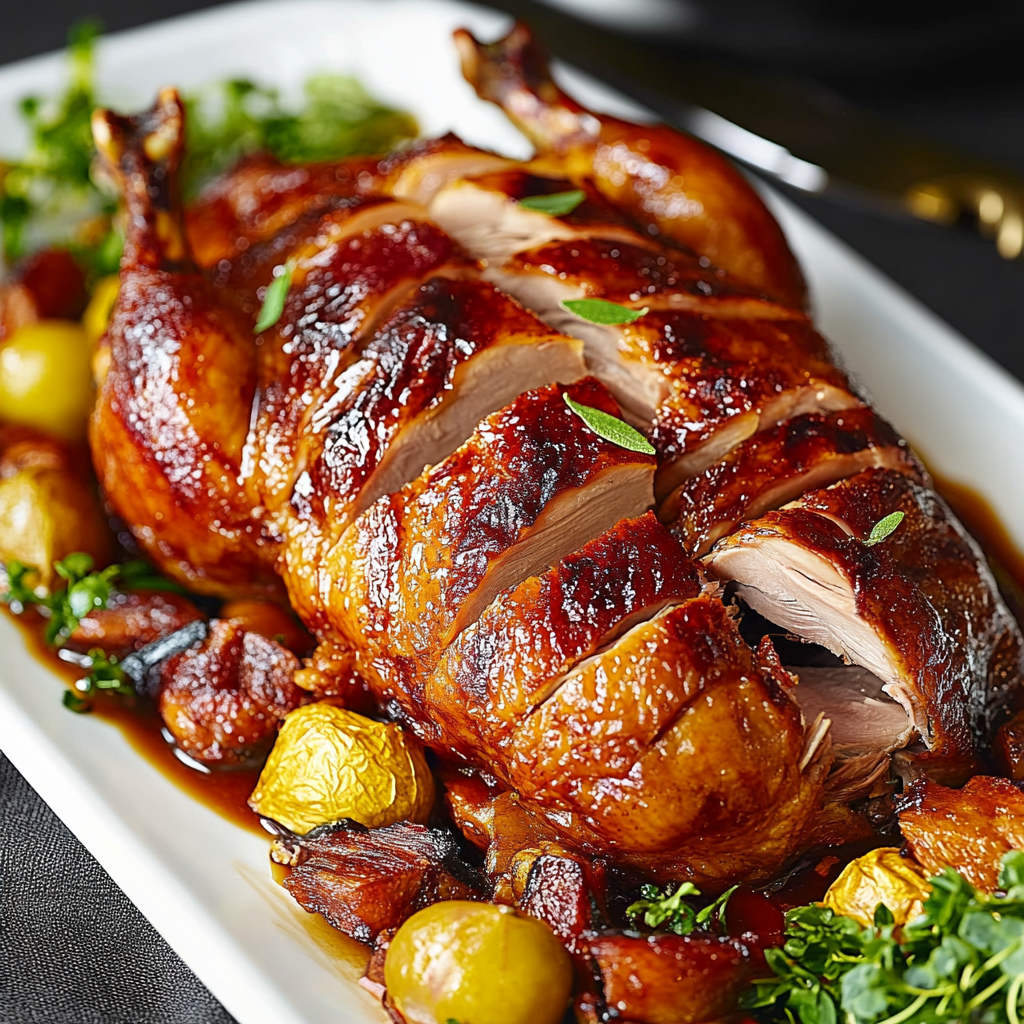
When it comes time serve your beautifully roasted duck consider pairing alongside complementary sides such as garlic mashed potatoes drizzled gravy made from collected drippings left behind underneath roasting pan?this adds another level richness enhancing overall experience enjoyed by guests gathered ?round table celebrating successful meal together! Fresh seasonal vegetables saut?ed lightly olive oil also work wonders visually appealing plate presentation worthy showcasing efforts put forth preparing feast today!
Another delightful option involves serving slices alongside wild rice pilaf garnished fresh parsley providing added contrast colors textures elevating aesthetic appeal enjoyed all diners present making gathering truly unforgettable occasion worth remembering long after last bite consumed leaving fond memories lingering heart minds alike!
Storage Guidelines
To store leftover portions properly cool completely first then transfer airtight container refrigerate promptly within two hours consumption marking date label ensuring safe practices followed whenever storing perishables items kitchen environment! Leftovers ideally should consume within three days maximum maintain quality freshness however longer duration may introduce risk spoilage occur depending conditions maintained throughout storage period ultimately diminishing flavors experienced initially upon enjoying freshly prepared version itself earlier mentioned above!
For extended preservation freeze individual portions wrapped securely plastic wrap followed by aluminum foil prevent freezer burn occurring over time allowing retention original flavors intact when thawing reheated future enjoyment occasions arise once again reminding everyone excellent tastes associated beloved classic dish known simply as ?roast duck? appreciated many cultures worldwide through generations past present future ahead await discovery culinary delights waiting exploration journey begins today!
Mistakes to avoid for Roast Duck
Undercooking the Duck
One of the most common mistakes when preparing roast duck is undercooking it. This can lead to a chewy texture and an unpleasant eating experience. To ensure that your roast duck is cooked to perfection, invest in a reliable meat thermometer. The internal temperature should reach at least 165?F (74?C) in the thickest part of the breast. Additionally, allow the duck to rest after cooking, as this helps redistribute juices for a more flavorful dish. Pay attention to the color of the juices; they should run clear, not pink. By following these guidelines, you can avoid serving undercooked roast duck and impress your guests with a perfectly juicy meal.
Not Drying the Skin
Another critical mistake when roasting duck is failing to dry the skin properly before cooking. Moist skin will not crisp up during roasting, resulting in a less appealing texture. To achieve that coveted crispy skin on your roast duck, pat it dry with paper towels thoroughly before seasoning. Some chefs recommend leaving the duck uncovered in the fridge for a few hours or even overnight to allow air circulation to dry out the skin further. This simple step can elevate your dish from average to extraordinary by providing a satisfying crunch that complements the tender meat.
Ignoring Flavor Pairings
Many home cooks overlook the importance of flavor pairings when preparing roast duck. Duck has a rich and fatty character that pairs beautifully with fruit-based sauces or glazes like orange, cherry, or even pomegranate. Using herbs such as thyme, rosemary, or sage can enhance its natural flavors as well. Be mindful not to overpower the dish with strong spices; instead, opt for complementary flavors that will enhance rather than mask the taste of your roast duck. A well-chosen sauce or glaze can elevate this dish into something truly memorable.
Overcrowding the Roasting Pan
Overcrowding your roasting pan is another common mistake that many make when cooking roast duck. When too many items are crammed into one pan, they tend to steam rather than roast properly, leading to soggy skin and uneven cooking. Always choose a roasting pan large enough to give your duck ample space around it for hot air to circulate effectively during cooking. If you plan to roast vegetables alongside your duck, consider using a separate pan or adding them halfway through cooking time so they do not overcrowd your main dish.

Tips and tricks for Roast Duck
Use a Brine Solution
Utilizing a brine solution before roasting can significantly enhance the flavor and moisture of your duck. A basic brine consists of water, salt, sugar, and various spices according to personal preference. Submerge your duck in this solution for several hours or overnight in the refrigerator for best results. This process allows the meat to absorb moisture while infusing flavors that will enrich every bite you take of your succulent roast duck.
Opt for High Heat
Roasting at high heat is essential for achieving perfectly crispy skin on your roast duck while keeping the meat tender and juicy inside. Preheat your oven to about 425?F (220?C) before placing your duck inside. Starting at high temperatures allows excess fat from the skin to render off quickly while creating that desired golden-brown exterior. After about 30 minutes, you can lower the temperature slightly if necessary but keep an eye on it so that it doesn’t burn.
Baste Regularly
Regularly basting your roast duck during cooking can help maintain moisture levels and enhance flavor throughout its preparation time. Use a spoon or baster to drizzle rendered fat over the bird every 20-30 minutes as it cooks in order to keep it moist and flavorful until serving time arrives! This simple technique makes all difference when aiming for an irresistibly juicy result with each slice taken from this delectable main course.
Rest Your Duck Before Carving
Allowing your roast duck to rest before carving is crucial for preserving juices within its meat post-cooking process! After removing it from heat source let sit covered loosely with foil for about 15-20 minutes prior slicing into pieces; trust me?it really does make all difference! During resting period?the muscle fibers relax allowing juices trapped inside redistribute evenly resulting in tastier morsels upon serving! Patience pays off here!
Suggestions for Roast Duck
Pair with Seasonal Sides
When serving roast duck, consider pairing it with seasonal sides that complement its rich flavor profile beautifully! Root vegetables like carrots and parsnips roasted alongside provide sweetness balancing out savory notes found within dish itself; alternatively try saut?ed greens such as kale infused garlic & olive oil?adding freshness contrast against decadent richness offered by main attraction! Including colorful garnishes too adds visual appeal elevating presentation inviting guests indulge right away!
Experiment with Glazes
Don’t hesitate experimenting with different glazes when preparing roast duck! A honey-soy glaze offers sweet-and-savory combination while orange-marmalade creates zesty brightness; feel free mix & match ingredients until you discover perfect balance suits palate best! Just remember?apply glaze towards last stages of roasting process ensuring sugars caramelize without burning prematurely?creating stunning finish everyone will love!
Serve with Wine Pairings
Choosing appropriate wine pairings enhances overall dining experience alongside delicious platefuls full juicy goodness presented beautifully at table setting ahead guest arrival! For example?a fruity red wine such as Pinot Noir works wonderfully balancing richness found within dish while cutting through fat providing refreshing contrast each sip taken throughout meal enjoyed together family friends alike!
Make Leftovers Count
Lastly don?t waste any leftovers after enjoying scrumptious feast?turn them into delicious meals later week! Shred remaining meat add into salads wraps stir-fries pastas etc.; creativity knows no bounds here! Utilizing scraps ensures nothing goes unappreciated while treating taste buds new culinary delights derived from original masterpiece created initially during roasting session enjoyed earlier!
FAQs for Roast Duck
What is the best way to prepare roast duck?
To prepare roast duck, start by selecting a high-quality duck, preferably a whole one. Begin by preheating your oven to 350?F (175?C). Clean the duck thoroughly and remove any excess fat from the cavity. You can season it with salt, pepper, and your choice of herbs or spices. Stuff the cavity with aromatics like garlic, onion, and fresh herbs for added flavor. Place the duck on a roasting rack in a pan to allow the fat to drip away during cooking. Roast it for about 2 hours, basting every 30 minutes. This method ensures a crispy skin and tender meat.
How do I know when my roast duck is done?
To determine if your roast duck is done, use a meat thermometer inserted into the thickest part of the thigh without touching bone. The internal temperature should reach at least 165?F (74?C) for safe consumption. Additionally, the juices should run clear when you pierce the thigh with a knife. If they are still pink or red, continue roasting and check again in about 10 minutes. Remember that resting time is also crucial; let it rest for at least 15 minutes after removing it from the oven before carving.
What sides pair well with roast duck?
Roast duck pairs beautifully with various sides that complement its rich flavor. Some popular options include roasted vegetables such as carrots, potatoes, and Brussels sprouts seasoned with olive oil and herbs. A fruity sauce like orange or cherry can enhance the dish?s taste. Additionally, wild rice or quinoa salads provide a hearty contrast, while saut?ed greens add freshness to your plate. For a classic touch, serve it alongside creamy mashed potatoes or buttery noodles.
Can I use frozen duck for roasting?
Yes, you can use frozen duck for roasting; however, proper thawing is essential for even cooking. Always thaw your frozen duck in the refrigerator for at least 24 hours before preparation. Avoid thawing at room temperature as this can promote bacterial growth. Once thawed, follow your preferred recipe for seasoning and roasting. Keep in mind that cooking times might vary slightly based on size and starting temperature of the meat.
How do I store leftover roast duck?
To store leftover roast duck properly, first let it cool completely at room temperature?no more than two hours after cooking to avoid bacterial growth. Wrap it tightly in plastic wrap or aluminum foil to keep moisture in and prevent freezer burn if storing long-term. Place wrapped leftovers in an airtight container or freezer bag for added protection against air exposure. Store cooked duck in the refrigerator if you plan to eat it within three days; otherwise, freeze it for up to three months.
Can I use other types of ducks for roasting?
Certainly! While Pekin ducks are commonly used due to their flavor and availability, other breeds such as Muscovy or Moulard also work well for roasting. Each type offers distinct flavors and textures; Muscovy ducks tend to have leaner meat but still provide excellent taste when roasted properly. When selecting different ducks, consider adjusting cooking times based on their size and fat content since these factors will influence how long they need in the oven.
Conclusion for Roast Duck
Roast duck offers a delightful culinary experience that combines rich flavors with an impressive presentation suitable for any gathering or special occasion. By preparing your chosen duck correctly?seasoning it thoughtfully and monitoring its internal temperature?you can achieve perfectly cooked meat with crispy skin every time. Pairing roast duck with complementary sides enhances its overall appeal while providing contrasting flavors that elevate your meal.
Remember to focus on proper storage techniques if you have leftovers so you can enjoy this delicious dish later without sacrificing quality or taste. Whether you’re using traditional recipes or experimenting with various types of ducks available in markets today, mastering roast duck will undoubtedly impress your family and guests alike!
Print
Perfectly Crispy Roast Duck Recipe
- Total Time: 1 hour 20 minutes
- Yield: 6 servings
Description
Roast duck is a sumptuous dish that brings a touch of elegance to any table. This recipe guides you through preparing a perfectly crispy roast duck that will impress your family and friends. With its rich, succulent meat and golden-brown skin, this dish is both comforting and gourmet. Accompanied by aromatic herbs and citrus notes, each bite is a celebration of flavor. Serve it with seasonal vegetables or wild rice for a meal that’s as visually stunning as it is delicious.
Ingredients
– Whole duck (4 to 5 pounds)
– Kosher salt (2 tablespoons)
– Fresh thyme (1 tablespoon, chopped)
– Fresh rosemary (1 tablespoon, chopped)
– Garlic cloves (6, whole)
– Orange (1, quartered)
Instructions
1. Preheat oven to 375?F (190?C). Prepare the duck by removing giblets and rinsing it under cold water. Pat dry thoroughly.
2. Score the skin in a crosshatch pattern and rub salt all over the exterior and inside the cavity.
3. Stuff the cavity with orange quarters, garlic cloves, thyme, and rosemary.
4. Place the duck on a roasting rack in a pan and roast for about 1 hour or until the internal temperature reaches 165?F (74?C).
5. Let rest for 15 minutes before carving.
Notes
– For extra crispy skin, leave the duck uncovered in the fridge for a few hours before cooking.
– Consider using different fruits like apples or cherries for stuffing to add unique flavors.
- Prep Time: 20 minutes
- Cook Time: 60 minutes
Nutrition
- Calories: 400
- Fat: 28g
- Carbohydrates: 8g
- Protein: 30g