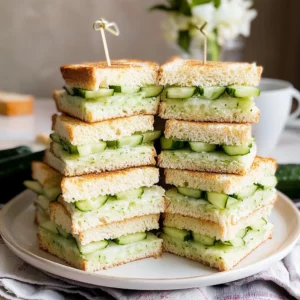
There’s something magical about Traditional Japanese Sushi that tantalizes your taste buds and transports you to a bustling Tokyo street, where the aroma of fresh fish mingles with the sweet scent of rice. Imagine biting into a perfectly crafted roll, feeling the delicate nori give way to a burst of flavors: creamy avocado, succulent shrimp, and a hint of wasabi that sends your senses dancing. It’s not just a meal; it?s an experience wrapped in seaweed! For more inspiration, check out this Garlic Butter Lobster Tail recipe.
As I reflect on my first sushi-making adventure, I recall the chaos of my kitchen?a battle between my enthusiasm and my lack of skills. Let?s just say, it didn?t quite go as planned. But that?s the beauty of cooking! Whether you?re prepping for a fancy dinner or a cozy night in with friends, making sushi is an entertaining journey filled with laughter and deliciousness. So grab your bamboo mat and let?s dive into this delightful recipe!
Why You'll Love This Recipe
- The simplicity of making Traditional Japanese Sushi at home allows for creativity while achieving authentic flavors.
- It showcases fresh ingredients that are visually appealing on any plate.
- You can easily customize each roll to suit various tastes and dietary preferences.
- Perfect for gatherings or impressing guests with your culinary skills!
Ingredients for Traditional Japanese Sushi
Here’s what you’ll need to make this delicious dish:
- Sushi Rice: Use high-quality short-grain rice for the best sticky texture essential for holding rolls together.
- Rice Vinegar: This adds tanginess to the rice; select unseasoned rice vinegar for balanced flavor.
- Nori Sheets: Dried seaweed sheets are key to wrapping sushi; look for crisp, dark green sheets.
- Fresh Fish: Opt for sushi-grade fish like salmon or tuna for optimum freshness and safety.
- Vegetables: Avocado, cucumber, or carrots add crunch; feel free to mix and match according to your preference.
For the Condiments:
- Wasabi: A little goes a long way! This spicy paste enhances flavor but can be adjusted based on personal taste.
- Soy Sauce: Choose low-sodium soy sauce to complement sushi without overwhelming saltiness.
The full ingredients list, including measurements, is provided in the recipe card directly below.

How to Make Traditional Japanese Sushi
Follow these simple steps to prepare this delicious dish:
Step 1: Prepare the Rice
Rinse the sushi rice under cold water until water runs clear. Cook according to package instructions?typically one cup rice to one and a quarter cups water. Once cooked, let it cool slightly.
Step 2: Season the Rice
In a small bowl, mix rice vinegar with sugar and salt until dissolved. Fold this mixture gently into the warm rice; be careful not to mush it!
Step 3: Prepare Your Fillings
Slice your chosen fish and vegetables into thin strips. Remember, presentation is key! Keep everything neat for those Instagram-worthy rolls.
Step 4: Roll It Up
Place a sheet of nori on your bamboo mat, shiny side down. Spread an even layer of sushi rice over two-thirds of the nori. Lay your fillings in a line across the center.
Step 5: Roll Like a Pro
Using the mat as support, carefully lift the edge closest to you and start rolling away from you tightly yet gently. Seal the edge by dampening it with water.
Step 6: Slice and Serve
Use a sharp knife (wet it beforehand) to cut your roll into bite-sized pieces. Serve immediately with wasabi and soy sauce for dipping!
Transfer to plates and watch as everyone gathers around?your homemade sushi will surely become the star of any meal! Enjoy every bite knowing you?ve mastered a dish loved worldwide!
You Must Know
- Traditional Japanese sushi is not just a meal; it’s an art form.
- With fresh fish, perfectly seasoned rice, and vibrant vegetables, each roll tells a story.
- Making sushi at home allows you to explore flavors while impressing your friends at dinner parties.
Perfecting the Cooking Process
Start by preparing your sushi rice. Rinse it thoroughly until the water runs clear, then cook it to fluffy perfection. While the rice cools, slice your fish and veggies. Assemble everything as the rice reaches room temperature for optimal taste and texture.
Add Your Touch
Feel free to customize your sushi! Swap out traditional fish for grilled chicken or tofu for a vegetarian twist. Experiment with different sauces or toppings like spicy mayo or eel sauce to elevate your rolls to new heights of deliciousness. add a spicy kick to your sushi.
Storing & Reheating
Store leftover sushi in an airtight container in the fridge for up to 24 hours. For best results, enjoy it cold rather than reheated, as sushi loses its fresh appeal when microwaved.
Chef's Helpful Tips
- Use short-grain rice for authentic sushi texture; it helps the rice stick together beautifully.
- Always use very sharp knives for clean cuts; this keeps your presentation looking professional.
- Don?t overstuff your rolls; less is often more when it comes to sushi filling.
It was my cousin’s wedding when I first attempted making traditional Japanese sushi. The compliments I received were so overwhelming that I almost believed I should open a restaurant right then and there!
FAQs :
What is Traditional Japanese Sushi?
Traditional Japanese sushi is a culinary art that combines vinegared rice with various ingredients, including seafood, vegetables, and occasionally tropical fruits. The most common types of sushi include nigiri, maki, and sashimi. Each type offers a unique experience in flavor and presentation. explore unique flavor combinations The preparation of sushi emphasizes freshness and quality, making it a beloved dish worldwide. Additionally, the balance of flavors and textures plays a crucial role in traditional sushi recipes.
How do you make Traditional Japanese Sushi at home?
Making traditional Japanese sushi at home requires a few essential ingredients and tools. Start with high-quality sushi rice, nori (seaweed), and fresh fish or vegetables. Rinse the rice until the water runs clear to remove excess starch. create a vibrant sushi-inspired salad Cook it with a proper ratio of water, then season it with rice vinegar, sugar, and salt. Roll your chosen fillings in nori using a bamboo mat to create maki rolls or shape them by hand for nigiri. Practice makes perfect!
What are the common types of Traditional Japanese Sushi?
The common types of traditional Japanese sushi include nigiri, which features hand-formed rice topped with fish; maki rolls that consist of rice and fillings wrapped in nori; and sashimi, which presents slices of raw fish without rice. Other variations like temaki (hand rolls) and chirashi (scattered sushi) also exist. Each type showcases different techniques and flavors, highlighting the versatility of traditional sushi.
Is Traditional Japanese Sushi healthy?
Yes, traditional Japanese sushi can be a healthy choice due to its focus on fresh ingredients like fish, vegetables, and seaweed. Fish provides essential omega-3 fatty acids beneficial for heart health. Moreover, sushi rice is low in calories when consumed in moderation. pair with fresh seafood options However, be cautious with sauces and fried options that may add extra calories or sodium. Overall, enjoying sushi as part of a balanced diet can contribute to good health.
Conclusion for Traditional Japanese Sushi :
In summary, traditional Japanese sushi is not just a meal; it’s an art form that celebrates fresh ingredients and skilled preparation techniques. Understanding the different types of sushi enhances your appreciation for this beloved cuisine. Making it at home allows you to explore creativity while enjoying its health benefits. Whether you prefer nigiri, maki, or sashimi, each bite offers a delightful taste of Japan’s rich culinary heritage. Enjoying traditional sushi can also inspire gatherings centered around food and culture!

Traditional Japanese Sushi
- Total Time: 45 minutes
- Yield: Approximately 4 servings 1x
Description
Traditional Japanese sushi is a culinary adventure that brings the flavors of Japan right to your kitchen. With fresh ingredients like creamy avocado and sushi-grade fish, each roll is a delightful blend of textures and tastes. This easy-to-follow recipe guides you through crafting authentic sushi rolls that will impress family and friends. Whether you?re hosting a dinner party or enjoying a cozy night in, making sushi at home is sure to elevate any occasion.
Ingredients
- 2 cups sushi rice
- 1/4 cup rice vinegar
- 2 tablespoons sugar
- 1 teaspoon salt
- 4 sheets nori (seaweed)
- 8 oz sushi-grade fish (salmon or tuna)
- 1 avocado, sliced
- 1 cucumber, julienned
- Wasabi (to taste)
- Low-sodium soy sauce (for serving)
Instructions
- Rinse the sushi rice under cold water until clear. Cook with 2 1/2 cups water according to package instructions. Let cool slightly.
- In a bowl, mix rice vinegar, sugar, and salt until dissolved. Gently fold into the warm rice.
- Prepare fillings by slicing fish and vegetables into thin strips.
- Place a nori sheet on a bamboo mat with the shiny side down. Spread an even layer of rice over two-thirds of the nori and add fillings in the center.
- Roll tightly using the mat for support, sealing the edge with water.
- Slice rolls into bite-sized pieces with a wet knife. Serve immediately with wasabi and soy sauce.
- Prep Time: 20 minutes
- Cook Time: 25 minutes
- Category: Main
- Method: Rolling
- Cuisine: Japanese
Nutrition
- Serving Size: 1 roll (approximately 150g)
- Calories: 330
- Sugar: 3g
- Sodium: 360mg
- Fat: 7g
- Saturated Fat: 1g
- Unsaturated Fat: 5g
- Trans Fat: 0g
- Carbohydrates: 57g
- Fiber: 3g
- Protein: 11g
- Cholesterol: 30mg