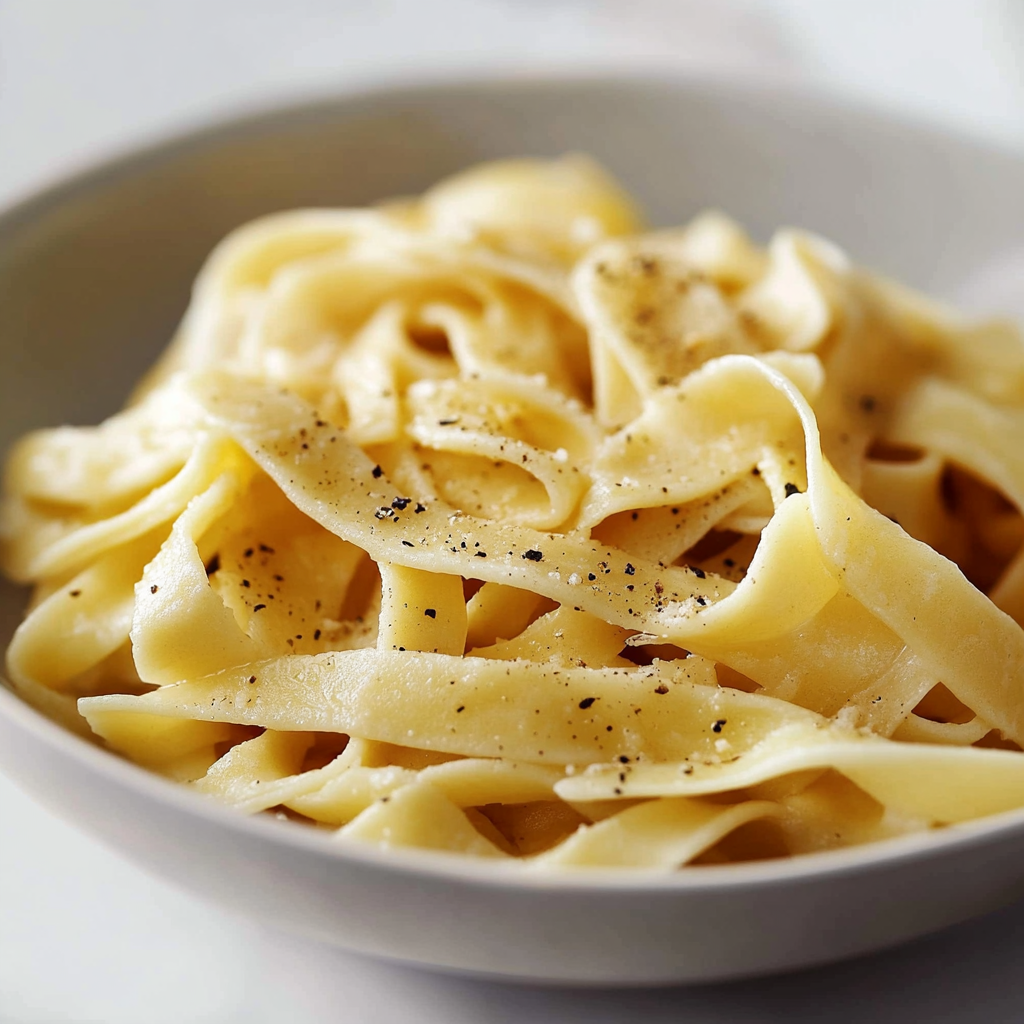
Homemade egg noodles are a delightful addition to any kitchen. They offer a comforting taste that elevates many dishes and provides a sense of nostalgia. Making your own noodles at home not only allows you to control the ingredients but also ensures a fresher flavor than store-bought varieties. In just a few simple steps, you can transform basic pantry staples into luscious ribbons of pasta that are perfect for soups, stir-fries, or served with your favorite sauce.
This easy recipe yields tender and flavorful noodles that can complement various cuisines. Whether you?re preparing a hearty chicken noodle soup or a classic beef stroganoff, these homemade egg noodles will undoubtedly impress family and friends alike. Plus, the process can be quite therapeutic?mixing the dough by hand and rolling it out brings back the joy of traditional cooking methods. So roll up your sleeves and get ready to embark on a culinary adventure in your kitchen!
Main Ingredients For Homemade Egg Noodles
Flour
Flour is the backbone of any noodle recipe. For homemade egg noodles, all-purpose flour works best due to its balanced protein content. You will need about 2 cups of flour for this recipe. When measuring flour, it?s crucial to spoon it into the measuring cup and level it off with a knife for accuracy. This ensures that you don?t end up with too much or too little flour in your dough.
Eggs
Eggs are the star ingredient in homemade egg noodles, providing richness and binding the dough together. You will need 2 large eggs for this recipe. Fresh eggs yield better flavor and texture in your noodles compared to older ones. Crack the eggs into a bowl before adding them to ensure they are good quality.
Salt
Salt enhances the flavor of your egg noodles and is essential even though it’s often overlooked in many recipes. You will require about 1 teaspoon of salt for this recipe. It?s best to use fine sea salt as it dissolves easily into the dough.
Water
Water helps adjust the consistency of your noodle dough if it’s too dry. Although you may not always need extra water depending on your flour’s moisture content, keep about 1-2 tablespoons on hand just in case.
How to Prepare Homemade Egg Noodles
Step One: Make the Dough
To start making your homemade egg noodles, gather all your ingredients in one place for convenience. In a large mixing bowl, combine 2 cups of all-purpose flour with 1 teaspoon of salt; whisk them together until evenly mixed. Create a well in the center of the flour mixture and crack two large eggs into this well. Using a fork, gently beat the eggs while incorporating some flour from the edges until all ingredients begin to come together into a shaggy dough.
Once mixed adequately, transfer the dough onto a floured surface. Knead it for about 8-10 minutes until smooth and elastic; if you find it too dry during kneading, add water gradually?just enough to achieve a cohesive texture without making it sticky.
Step Two: Roll Out the Dough
After kneading your dough successfully, wrap it in plastic wrap or cover it with a cloth to rest for at least 30 minutes at room temperature; this resting period allows gluten strands to relax which makes rolling easier later on. Once rested, divide your dough into quarters so it’s easier to manage while rolling out.
Take one piece of dough (keeping others covered) and flatten it slightly with your hands or a rolling pin before using a pasta machine or rolling pin to roll it out thinly on floured surfaces?aim for about 1/16 inch thickness or less if possible for delicate noodles! As you roll out each piece, sprinkle additional flour as needed to prevent sticking.
Step Three: Cut The Noodles
Once you have rolled out your dough thinly enough according to preference (thinner yields more delicate texture), use a sharp knife or pizza cutter to cut it into strips?typically around half an inch wide works well! For fettuccine-style noodles simply cut straight lines; feel free also try wider ribbons or even thinner strands based on personal taste preferences! After cutting each strand dust them lightly with extra flour so they won?t stick together during cooking.
Step Four: Cook The Noodles
Cooking homemade egg noodles is quick since they cook faster than dried types! Bring plenty of salted water (about 4 quarts per pound) to boil in large pot over high heat then gently add freshly cut noodle strips; stir occasionally until they float (approximately 3-5 minutes). Once cooked al dente remove from heat immediately draining excess water?do not rinse unless specified by certain recipes! Serve hot alongside sauces or incorporate directly into other dishes like soups!

Serving and Storing Tips For Homemade Egg Noodles
Serving Suggestions For Homemade Egg Noodles
Homemade egg noodles are incredibly versatile! Serve them simply tossed with some olive oil and garlic for an easy side dish or elevate their flavor by adding Parmesan cheese along with saut?ed vegetables like spinach or mushrooms! They pair wonderfully with robust sauces such as marinara sauce topped off with fresh basil leaves making every bite satisfying during dinner time gatherings! Consider serving these delectable creations alongside grilled meats or roasted vegetables creating balanced plate options showcasing vibrant colors!
Storing Leftovers?
If you have leftover cooked homemade egg noodles after enjoying dinner don?t fret?they store quite well! Allow them cool completely before transferring into airtight containers stored within refrigerator where they’ll last about three days maximum without losing quality over time; just remember when reheating gently warm either via stovetop method adding little broth/water ensuring they remain moist rather than drying out! Alternatively freeze uncooked portions instead if saving longer-term; flash freeze spread out onto baking sheet then transfer frozen pieces into freezer bags preserving freshness extended up-to three months effortlessly making future meal prep seamless!
By following these detailed steps outlined above you’re sure enjoy delightful experience crafting delicious homemade egg noodles right at home while impressing guests family alike each time served!
Mistakes to avoid For Homemade Egg Noodles
Not Using Fresh Ingredients
When making homemade egg noodles, the quality of your ingredients can make a significant difference. Using stale flour or old eggs can lead to subpar noodles that lack flavor and texture. Always choose fresh, high-quality ingredients for the best results. Look for flour with a high protein content, which helps create a better structure in your noodles. Additionally, use farm-fresh eggs when possible. They have a richer taste and contribute to a vibrant yellow color in your dough. If you make this mistake, you will end up with noodles that do not hold up well during cooking.
Skipping the Resting Time
Many home cooks are eager to roll out their noodle dough immediately after mixing. However, skipping the resting time is a common mistake that affects the final product. Allowing your dough to rest for at least 30 minutes gives the gluten time to relax, making it easier to roll out into thin sheets. This resting period also helps in achieving a more tender noodle texture. If you rush through this step, your noodles may become tough and chewy instead of light and delicate. Remember, patience is key when making homemade egg noodles!
Overworking the Dough
Another critical mistake is overworking the dough while kneading or rolling it out. While it?s essential to ensure everything is mixed well, too much kneading can develop excess gluten, resulting in tough noodles that don’t cook properly. Aim for just enough kneading until the dough is smooth and pliable but avoid going overboard. When rolling out your dough, use gentle pressure and try to maintain an even thickness throughout. If you notice resistance while rolling, take a break and let the dough rest again before continuing.

Tips and tricks For Homemade Egg Noodles
Use a Pasta Machine for Even Thickness
One of the best tools for creating homemade egg noodles is a pasta machine. This device allows you to roll out your dough evenly and consistently, ensuring that all your noodle sheets are of uniform thickness. Start with the widest setting on your pasta machine and gradually work down to thinner settings as you roll out your dough. This method reduces the risk of tearing or unevenly shaped noodles, leading to a better final dish. If you don?t have a pasta machine, use a rolling pin but be sure to check that each section has an even thickness.
Experiment with Flavors
Don?t hesitate to add flavors to your homemade egg noodles! By incorporating ingredients like spinach puree or beet juice into your dough, you can create vibrant-colored noodles with added nutritional benefits. Spices such as garlic powder or herbs can also enhance flavor without adding extra steps or complexity. These variations can elevate simple dishes into something gourmet and visually stunning while maintaining the same base noodle recipe.
Cut Noodles Consistently
Uniformity matters when cutting your homemade egg noodles; inconsistent sizes can lead to uneven cooking times during boiling or frying. To achieve consistent cuts, use a sharp knife or pizza cutter and measure each strip if necessary. You can also use specialized cutters designed for pasta shapes if you’re looking for specific types like fettuccine or tagliatelle. This attention to detail ensures that all pieces cook evenly and maintain their texture once served.
Suggestions for Homemade Egg Noodles
Pair with Complementary Sauces
Homemade egg noodles are versatile and pair wonderfully with various sauces! For an authentic experience, consider serving them with classic options like Alfredo sauce or marinara sauce made from fresh tomatoes and herbs. The richness of these sauces enhances the flavor profile of the noodles beautifully. Additionally, consider trying lighter options such as olive oil infused with garlic or herb butter for those who prefer less saucy dishes.
Store Properly
After making homemade egg noodles, proper storage is crucial if you’re not using them right away. Air-drying them on a clean kitchen towel or hanging them on a pasta drying rack allows excess moisture to evaporate while preserving their texture for future meals. Once fully dried, store them in an airtight container at room temperature if you plan on using them within a week; otherwise, freeze them in bags labeled with dates for longer storage.
Get Creative with Serving Options
While traditional recipes often call for boiling homemade egg noodles in water first, there are many creative serving options available! Consider saut?ing cooked noodles briefly in olive oil along with seasonal vegetables for added flavor and nutrition. Alternatively, try baking them layered with cheese and sauce like lasagna; this method creates delightful textures while showcasing your handmade creation beautifully! Letting creativity guide how you serve these delicious homemade egg noodles will lead to enjoyable dining experiences every time.

FAQs for Homemade Egg Noodles
What are the main ingredients for homemade egg noodles?
Homemade egg noodles require just a few basic ingredients: all-purpose flour, eggs, and salt. The flour provides the structure, while the eggs add richness and flavor. A pinch of salt enhances the overall taste. You can also incorporate water or milk if you prefer a softer dough. Some recipes suggest using semolina flour for extra chewiness, but traditional recipes focus on regular flour. The key is to find a balance in your dough’s consistency?too dry will make rolling difficult, while too wet will lead to sticky noodles. Experimenting with ratios can help you achieve the perfect texture for your homemade egg noodles.
How do you make homemade egg noodles from scratch?
To prepare homemade egg noodles, start by creating a well in the center of your flour mound on a clean surface. Crack two large eggs into this well and sprinkle in a pinch of salt. Gradually mix the flour into the eggs using a fork or your fingers. Once combined, knead the dough for about 8-10 minutes until it becomes smooth and elastic. Wrap it in plastic wrap and let it rest for at least 30 minutes to allow the gluten to relax. After resting, roll out the dough thinly and cut it into your desired noodle shape. Dust with flour to prevent sticking, and your homemade egg noodles are ready to cook!
Can homemade egg noodles be stored for later use?
Yes, homemade egg noodles can be stored for later use. If you want to keep them fresh, allow them to dry slightly before storing them in an airtight container at room temperature for up to three days. For longer storage, freeze them on a baking sheet until solid before transferring them to a freezer bag or container. Properly stored frozen egg noodles can last up to three months without losing quality. When you’re ready to use them, cook directly from frozen without thawing?just add a couple of extra minutes to their cooking time.
How long do homemade egg noodles take to cook?
Cooking homemade egg noodles is quick and straightforward! Boil salted water in a large pot, then add your freshly made noodles. They usually take between 2-4 minutes to cook, depending on their thickness. Watch closely as they can turn mushy if overcooked. Test one noodle by tasting it; it should be tender but still have a slight bite (al dente). Once cooked, drain them using a colander and toss with your favorite sauce or dish immediately.
What dishes can I make with homemade egg noodles?
Homemade egg noodles are incredibly versatile! They work wonderfully in soups like chicken noodle soup or beef noodle soup, adding a comforting touch. You can also toss them with butter and herbs for a simple side dish or pair them with rich sauces such as Alfredo or marinara for pasta dishes. Stir-fries are another excellent option; just add cooked protein and vegetables for a satisfying meal that features your fresh noodles.
Can I use whole wheat flour instead of all-purpose flour?
Using whole wheat flour instead of all-purpose flour is possible when making homemade egg noodles; however, there are some differences in texture and flavor. Whole wheat flour contains more fiber and nutrients but results in denser noodles that may not hold up as well in certain dishes compared to those made with all-purpose flour. To achieve better results, consider blending whole wheat flour with all-purpose flour?this combination will still provide nutritional benefits while maintaining desirable texture in your homemade egg noodles.
Conclusion for Homemade Egg Noodles
Making homemade egg noodles is both enjoyable and rewarding! With just three simple ingredients?flour, eggs, and salt?you can create deliciously fresh pasta that elevates any meal. The process involves mixing the ingredients into a dough, kneading until smooth, resting it briefly, rolling it out thinly, and cutting it into desired shapes.
You can store these versatile noodles either dried at room temperature or frozen for later use without compromising their quality. Cooking them is quick; they typically need only 2-4 minutes in boiling water before they’re ready to enjoy.
Whether you incorporate them into comforting soups or serve them alongside rich sauces or stir-fries, homemade egg noodles bring warmth and heartiness to every dish. So gather your ingredients today and experience the satisfaction of creating delightful meals from scratch! Your taste buds will thank you!
Print
Homemade Egg Noodles
- Total Time: 20 minutes
- Yield: Serves 4
Description
Homemade Egg Noodles are a delightful way to elevate your meals with fresh, comforting pasta made right in your kitchen. This simple recipe transforms basic ingredients into tender ribbons of flavor that can complement soups, stir-fries, or your favorite sauces. Enjoy the therapeutic process of kneading and rolling the dough, and impress family and friends with your culinary skills. Customizable and versatile, these noodles are sure to become a staple in your cooking repertoire!
Ingredients
2 cups all-purpose flour
2 large eggs
1 teaspoon fine sea salt
1–2 tablespoons water (as needed)
Instructions
In a large bowl, combine the flour and salt. Make a well in the center and add the eggs. Mix with a fork until a shaggy dough forms.
Transfer the dough to a floured surface and knead for 8-10 minutes until smooth. Add water gradually if too dry.
Wrap the dough in plastic wrap and let it rest for at least 30 minutes.
Roll out the rested dough to about 1/16 inch thick, then cut into strips as desired.
Cook in boiling salted water for 3-5 minutes until they float; drain and serve immediately.
Notes
Use fresh ingredients for better flavor.
Experiment by adding spinach puree or herbs to the dough for added color and taste.
- Prep Time: 15 minutes
- Cook Time: 5 minutes
Nutrition
- Calories: 210
- Fat: 2g
- Carbohydrates: 41g
- Fiber: 2g
- Protein: 8g