If you have a sweet tooth or simply love to create delightful treats in your kitchen, then this recipe for homemade caramels is just what you need. Making caramels at home is not only rewarding but also allows you to customize flavors and textures to suit your preference. Whether you’re preparing for a special occasion or indulging in a cozy evening treat, these homemade caramels will surely impress friends and family alike.
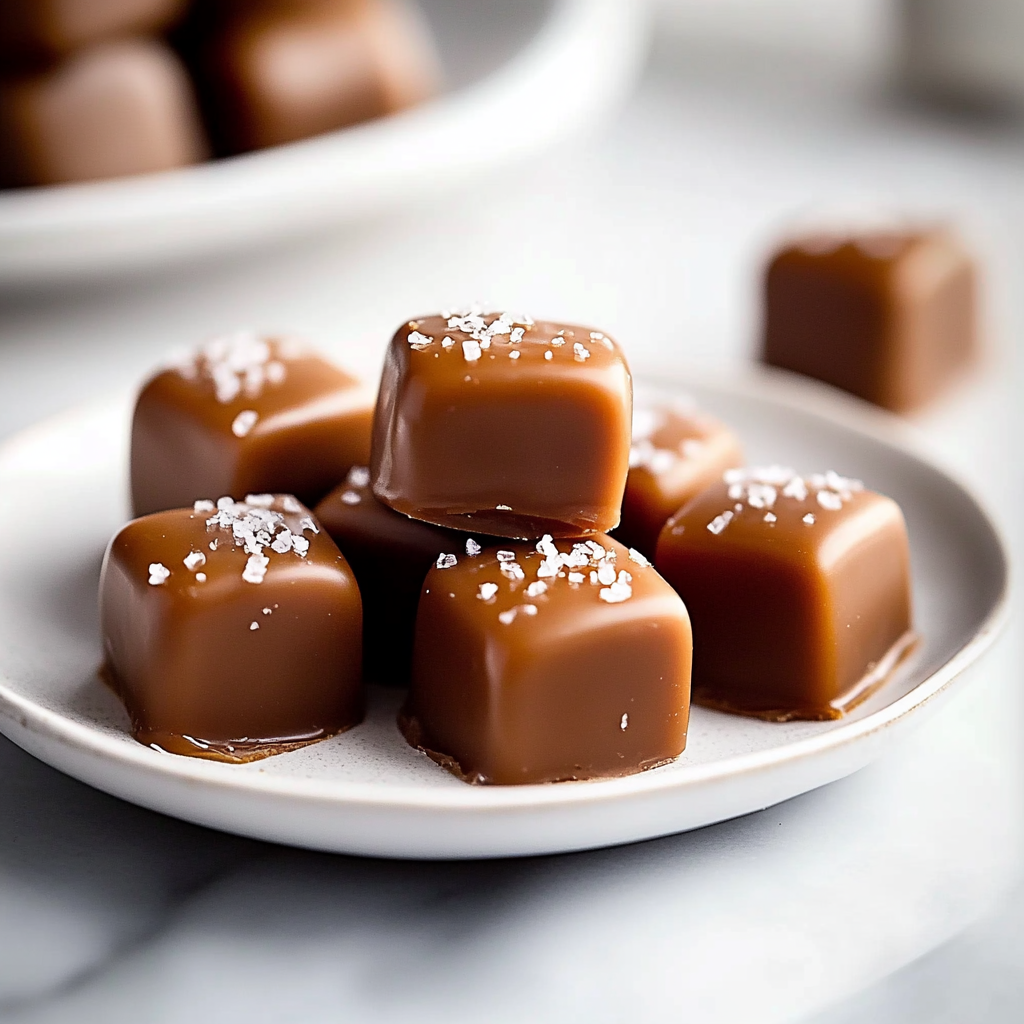
Homemade caramels are rich, buttery confections that melt in your mouth. With just a few core ingredients like sugar, butter, heavy cream, and vanilla extract, you can create a batch that rivals store-bought options. This recipe will guide you through the entire process?from measuring ingredients to pouring the mixture into molds?ensuring that your caramel turns out perfectly every time.
The satisfaction of pulling a perfectly set caramel from its mold is hard to beat. Not only do they taste incredible on their own, but they also make fantastic gifts when wrapped in pretty packaging. Follow along as we explore the details of making these delectable treats from scratch. You’ll find the journey both enjoyable and educational as you master the art of crafting homemade caramels!
Main Ingredients
Sugar
Sugar is the primary ingredient in homemade caramels and serves as the foundation for their sweetness and texture. For this recipe, you’ll need two cups of granulated sugar to achieve the perfect balance of flavor and consistency. As it melts over heat, sugar transforms into a syrupy liquid that forms the body of your caramel.
When cooking sugar, patience is essential; it requires careful attention to avoid burning. The transformation process begins with melting it slowly over medium heat until it reaches a golden amber color. This stage is crucial because it determines the depth of flavor in your final product?too light and you’ll miss out on rich notes; too dark and bitterness sets in.
Butter
Butter adds richness to your homemade caramels and enhances their creamy texture. You’ll need one cup (two sticks) of unsalted butter for this recipe. Unsalted butter allows you to control the saltiness of your final product better than salted varieties.
As you combine melted sugar with butter during cooking, you’ll notice an irresistible aroma filling your kitchen. The fat content in butter also contributes to that smooth mouthfeel characteristic of quality caramels.
Heavy Cream
Heavy cream is another essential ingredient that helps create a luxurious texture in your homemade caramels. For this recipe, use one cup of heavy cream with at least 36% fat content for optimal results.
The addition of heavy cream after melting the sugar creates an emulsion that elevates the overall consistency of your caramel. When heated together with butter and sugar, it becomes velvety smooth and indulgent?a true treat for any dessert lover.
Vanilla Extract
Vanilla extract infuses your homemade caramels with warm, aromatic flavor notes. You’ll need two teaspoons for this recipe; however, feel free to adjust based on personal preference.
Using pure vanilla extract rather than imitation enhances the overall taste profile significantly. The subtle sweetness complements the rich flavors from butter and sugar while adding depth that makes each bite truly memorable.
Sea Salt (Optional)
Adding sea salt brings out all those delicious flavors lurking within each piece of caramel while providing a delightful contrast between sweetness and savory notes?a match made in heaven! If desired (and highly recommended), include half a teaspoon during cooking or sprinkle some on top before they set.

How to Prepare Homemade Caramels
Step 1: Prepare Your Workspace
Before diving into making homemade caramels, prepare your workspace adequately by clearing surfaces where you’ll work with hot ingredients later on. Gather all necessary tools including a heavy-bottomed saucepan or pot?this ensures even heating throughout cooking processes?and utensils such as wooden spoons or spatulas for stirring mixtures safely without scratching cookware surfaces.
Line an 8-inch square pan with parchment paper; leave extra hanging over edges so it’s easy to remove finished candies later! Greasing parchment lightly helps prevent sticking issues down line too!
Make sure everything needed?ingredients measured accurately according to lists above?is ready before turning on stovetop burners; this ensures smooth workflow ahead!
Step 2: Melt Sugar Slowly
In a heavy-bottomed saucepan over medium heat combine granulated sugar evenly across surface area within pot carefully avoiding clumps forming anywhere throughout mixture initially formed here! Allow natural moisture present inside crystals themselves begin melting down first before stirring at intervals using wooden spoon once edges start bubbling up slightly around perimeter showing signs transformation underway!
Continue patiently watching closely until entire mass becomes liquid gold color takes around ten minutes depending upon stovetop settings used here so adjust accordingly based off experience level gained previously practicing similar recipes prior!
Step 3: Add Butter Gradually
Once melted sugar reaches desired amber hue remove pot from heat carefully?it’ll be hot! Gradually add cubes of room temperature unsalted butter while mixing gently until fully incorporated into syrup created earlier ensuring no lumps remain visible within mixture itself during incorporation period lasting about three minutes max.
Be cautious here as mixture may bubble vigorously when combining buttery goodness alongside sugary base forming initial foamy layer atop surface; allow bubbles settle down before proceeding onward towards next steps outlined below!
Step 4: Incorporate Heavy Cream & Flavorings
After ensuring all solids dissolved entirely within syrup add one cup heavy cream slowly while stirring continuously until well combined achieving silky smooth consistency desired throughout whole blend achieved through constant stirring actions taken during incorporation phase lasting approximately five minutes total needed right now!
Following this step incorporate two teaspoons pure vanilla extract alongside optional sea salt (if using); whisk together thoroughly ensuring uniform distribution flavors shine bright across every bite consumed later down line once cooled properly enough allowing cutting pieces size appropriate preferences chosen ahead!
Step 5: Cook Mixture Until Set
Return pot back onto stovetop over medium-low heat carefully monitoring temperature rising steadily reaching soft-ball stage around 240?F (115?C). Use candy thermometer inserted deep enough gauge accuracy while keeping close eye visual cues indicating readiness near completion point coming closer every passing moment now!
This stage may take anywhere from fifteen-twenty minutes based off how strong burner produces heat output affecting timing involved here so remain patient enjoying aromas wafting through kitchen space surrounding you either way ahead checking regularly ensuring nothing burns underneath amidst bubbling activity happening constantly happening here throughout entire duration spent waiting patiently here till completion finally occurs ahead opening opportunity tasting success soon approaching rapidly thereafter shortly afterwards too soon thereafter indeed arriving quickly now ahead naturally next steps following suit afterward promptly onward too smoothly transitioning forward onwards thereafter ahead as planned effectively moving forward swiftly towards endgame destination reached soon enough ahead overall journey undertaken now indeed!

Mistakes to avoid for Homemade Caramels:
Not Using a Candy Thermometer
One of the biggest mistakes when making homemade caramels is not using a candy thermometer. Precision is crucial in candy making, as improper temperatures can lead to either chewy or hard caramels. When the sugar mixture reaches 245?F to 250?F, it achieves the perfect consistency for caramel. Without a thermometer, you risk guessing temperatures, which can result in disappointing outcomes. Invest in a reliable candy thermometer to ensure your homemade caramels turn out perfectly every time. Always monitor the temperature closely and make adjustments as necessary. This simple tool will help you avoid significant texture issues that many novice candy makers face.
?Skipping the Butter
Another common mistake is skimping on butter or not using it at all. Butter plays a vital role in flavor and texture when making homemade caramels. It adds richness and smoothness, enhancing the overall taste of your candies. If you think you can replace it with margarine or omit it entirely, think again! This will lead to dry, crumbly caramels that lack depth. Always use high-quality unsalted butter for the best results. Also, allow the butter to melt completely before incorporating other ingredients into your caramel mixture. This ensures even blending and prevents any clumping that may occur.
Stirring Too Much
While making homemade caramels might seem like an art form requiring constant attention, over-stirring can lead to crystallization of sugar. Stirring too much disturbs the sugar crystals and can cause them to clump together instead of dissolving properly. When your mixture starts bubbling, resist the urge to stir constantly; instead, give it an occasional gentle swirl if necessary. Allowing the caramel to cook undisturbed at first will yield a smoother final product without unwanted graininess.
Not Greasing Your Pans
Failing to properly grease your pans is another easy-to-avoid mistake when preparing homemade caramels. If you neglect this step, you may find your delicious treats stuck stubbornly in the pan after cooling, making it difficult to cut them into pieces without damaging their shape. To prevent this issue, generously grease your baking dish with butter or line it with parchment paper before pouring in your caramel mixture. This simple precaution ensures that you can easily remove your cooled caramels for cutting and serving.

Tips and tricks for Homemade Caramels:
Use Quality Ingredients
When making homemade caramels, using high-quality ingredients can significantly enhance flavor and texture. Opt for pure cane sugar rather than cheaper alternatives or blends that may contain additives. The quality of cream and butter also matters greatly; choose fresh heavy cream and unsalted butter for optimal results. These ingredients contribute significantly to the taste of your finished caramels. Investing in good quality components pays off in terms of flavor complexity and richness.
Be Patient During Cooking
Patience is essential when creating homemade caramels because rushing through the cooking process can lead to undesirable results. Allowing the mixture to reach its ideal temperature takes time but is crucial for achieving that perfect chewy consistency. Resist turning up the heat excessively; doing so may cause uneven cooking or even burning parts of the mixture while leaving others undercooked. Enjoy each moment as you watch your caramel transform into a beautiful golden hue?this patience will reward you with delectable treats!
Experiment with Flavors
Homemade caramels are versatile candies that lend themselves well to various flavor infusions beyond traditional vanilla or sea salt options! Consider adding extracts like almond or hazelnut for unique twists on classic recipes; spices such as cinnamon or nutmeg can create seasonal favorites perfect during holidays too! You might even try incorporating ingredients like espresso powder or citrus zest for unexpected depth?a little creativity goes a long way! Just remember not to overpower the base caramel flavor; balance is key.
?Allow Proper Cooling Time
One crucial tip for successfully making homemade caramels is allowing adequate cooling time before cutting them into squares or rectangles. Many people are eager to dive right in but resist this temptation! Letting them cool completely ensures they hold their shape during slicing without becoming sticky or losing their defined edges?this could save time spent cleaning up messes later on! Allow at least two hours at room temperature?or longer if necessary?for optimal firmness before indulging in those sweet bites.
Suggestions for Homemade Caramels:
Store Properly
After you’ve made delicious homemade caramels, proper storage becomes essential for maintaining freshness and flavor over time. Ideally, wrap each piece individually in wax paper or parchment paper?this prevents them from sticking together while keeping moisture out! Store these wrapped treasures in an airtight container at room temperature away from direct sunlight for optimal preservation; refrigeration can cause unwanted changes in texture that may detract from their original quality.
?Pair with Other Treats
Enhance your experience by pairing homemade caramels with complementary flavors! Chocolate-covered caramels provide a delightful contrast between sweetness and bitterness while adding extra decadence; sprinkle some coarse sea salt atop them before serving for an added touch! Alternatively, consider incorporating chopped nuts like pecans or almonds within each bite?this adds crunchiness alongside smoothness creating irresistible combinations sure to please everyone?s palate!
Give as Gifts
Homemade caramels make fantastic gifts during holidays or special occasions! Their delightful taste combined with elegant presentation makes them memorable offerings everyone loves receiving?consider packaging them beautifully into decorative boxes tied with ribbons! Personalizing these treats showcases thoughtfulness while sharing culinary creations brings joy not only through consumption but also through heartfelt gestures showing care toward friends and family alike.
Use Different Shapes
When preparing homemade caramels, don?t feel limited by traditional square shapes! Get creative by using cookie cutters shaped like stars hearts animals etc., allowing playful designs suitable for celebrations birthdays holidays gatherings etc.! Unique shapes add fun elements appealing particularly towards children yet also charm adults alike?it transforms simple candies into festive delights everyone enjoys munching on regardless of age!
FAQs for Homemade Caramels:
How long do homemade caramels last?
Homemade caramels typically last about two to three weeks when stored properly. To extend their shelf life, keep them in an airtight container at room temperature. If you want to preserve them for longer, consider refrigerating or freezing them. When refrigerated, they can last up to a month, and in the freezer, they can stay good for several months. Just make sure to wrap each caramel individually if you decide to freeze them. This prevents sticking and helps maintain their texture. When you’re ready to enjoy them again, simply let them come back to room temperature before unwrapping. Remember that homemade treats lack the preservatives found in store-bought candies, so it’s best to consume them within this timeframe for optimal flavor and texture.
What is the best way to cut homemade caramels?
Cutting homemade caramels can be tricky due to their sticky nature. To achieve clean cuts without making a mess, it?s important to follow a few simple steps. First, allow the caramels to cool completely in the pan after cooking; this usually takes about an hour. Once cooled, you can lightly dust a cutting board or surface with powdered sugar or cornstarch to prevent sticking. Use a sharp knife or a pizza cutter for cleaner cuts; warming the blade under hot water and drying it will also help glide through the caramel smoothly. You can then score your caramels into squares or rectangles before separating them. After cutting, wrap each piece individually in wax paper or plastic wrap to keep them fresh and prevent sticking together.
Can I add flavors or ingredients to my homemade caramels?
Absolutely! One of the joys of making homemade caramels is customizing flavors and ingredients according to your preference. You can add various extracts like vanilla, almond, or peppermint for a unique twist on traditional caramel flavoring. Additionally, consider incorporating sea salt for that delightful salted caramel experience or mix in toasted nuts like pecans or almonds for added crunch. If you’re feeling adventurous, try adding spices like cinnamon or nutmeg for a seasonal touch. Just remember that when adding additional ingredients, you might need to adjust cooking times slightly as moisture content can vary with different additions.
Why did my homemade caramels turn out grainy?
Graininess in homemade caramels is often due to crystallization during the cooking process. This can happen if sugar crystals form on the sides of your pot while boiling sugar syrup. To prevent this from happening, make sure to wash down the sides of your saucepan with a wet pastry brush while heating your mixture. Another tip is not stirring the mixture once it begins boiling; stirring encourages crystallization. If your caramels have already turned grainy, you might be able to salvage them by reheating gently while stirring continuously until smooth again and then re-cooking until they reach the desired consistency.
Can I use different types of sugar in my caramel recipe?
Yes, you can experiment with different types of sugar when making homemade caramels! While granulated white sugar is standard for traditional caramel recipes, alternatives such as brown sugar will give your caramels a richer flavor due to its molasses content. You could also try using coconut sugar or other natural sweeteners for varying tastes and textures; however, note that these alternatives may affect cooking times and final consistency slightly due to differing moisture levels and melting properties compared with granulated sugar.
What should I do if my homemade caramel is too hard?
If your homemade caramel turns out too hard after cooling, there are several ways you can remedy the situation without starting over completely. One method is gently reheating your caramels on low heat until they become soft enough that you can knead them into shape again; just be careful not to overheat as this could lead them back towards becoming hard again! Alternatively, if they are packaged separately but still too tough upon consumption, consider letting them sit at room temperature for some time before trying again; sometimes just allowing them time will soften their texture slightly for easier enjoyment.
Conclusion for Homemade Caramels:
In conclusion, making homemade caramels is not only rewarding but allows for endless customization based on personal preferences. With proper storage techniques, these delicious treats can last two weeks at room temperature and even longer when refrigerated or frozen. Cutting methods play an important role as well; ensuring clean lines while preventing stickiness enhances both presentation and enjoyment of your sweet creations.
Flavor experimentation adds another layer of fun?whether it’s infusing unique extracts or mixing in crunchy nuts?these choices elevate traditional recipes into something special. However, being aware of common pitfalls such as graininess from crystallization ensures successful outcomes every time.
So gather your ingredients and embrace creativity with confidence! Homemade caramels bring joy not just through taste but also through the process itself?making memories one sweet bite at a time!
Print
Homemade Caramels
- Total Time: 45 minutes
- Yield: Approximately 24 servings 1x
Description
Homemade Caramels
Indulge in the rich, buttery delight of homemade caramels that melt in your mouth! This easy-to-follow recipe allows you to create soft, chewy caramels right in your kitchen. With just a handful of simple ingredients, you can customize flavors to suit any occasion. Perfect for gifting or treating yourself, these caramels are sure to impress.
Ingredients
2 cups granulated sugar
1 cup unsalted butter (room temperature)
1 cup heavy cream (36% fat content)
2 teaspoons pure vanilla extract
Optional: ? teaspoon sea salt
Instructions
1. Prepare your workspace by gathering all ingredients and tools. Line an 8-inch square pan with parchment paper.
2. In a heavy-bottomed saucepan over medium heat, melt the sugar until it turns golden amber, about 10 minutes.
3. Remove from heat and gradually stir in the butter until fully incorporated.
4. Slowly add the heavy cream while stirring continuously, then mix in vanilla extract and sea salt if desired.
5. Return to low heat and cook until it reaches 240?F (soft-ball stage). Pour into the prepared pan and let cool completely before cutting.
Notes
Use a candy thermometer for precise results.
Experiment with flavors like almond or espresso for unique twists!
- Prep Time: 15 minutes
- Cook Time: 30 minutes
Nutrition
- Calories: 100
- Fat: 4g
- Carbohydrates: 15g
- Protein: 0g