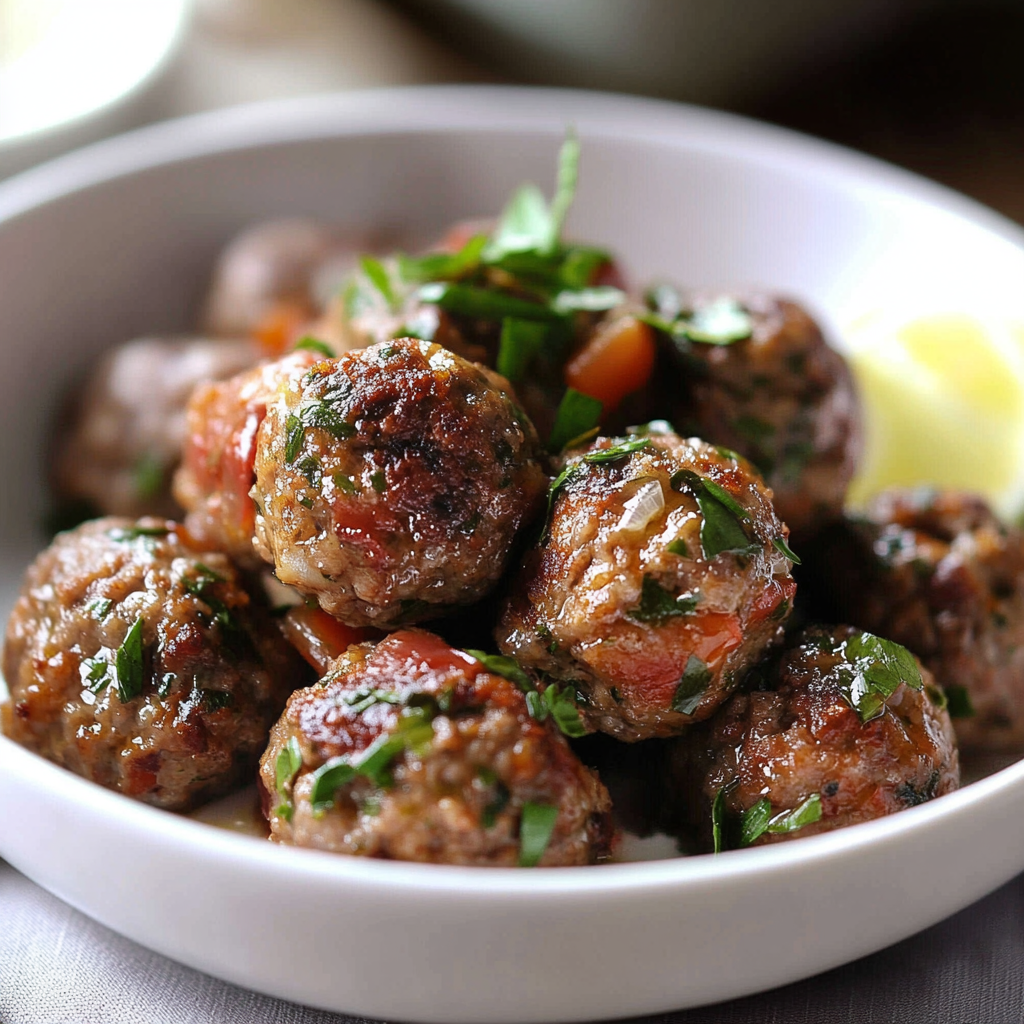
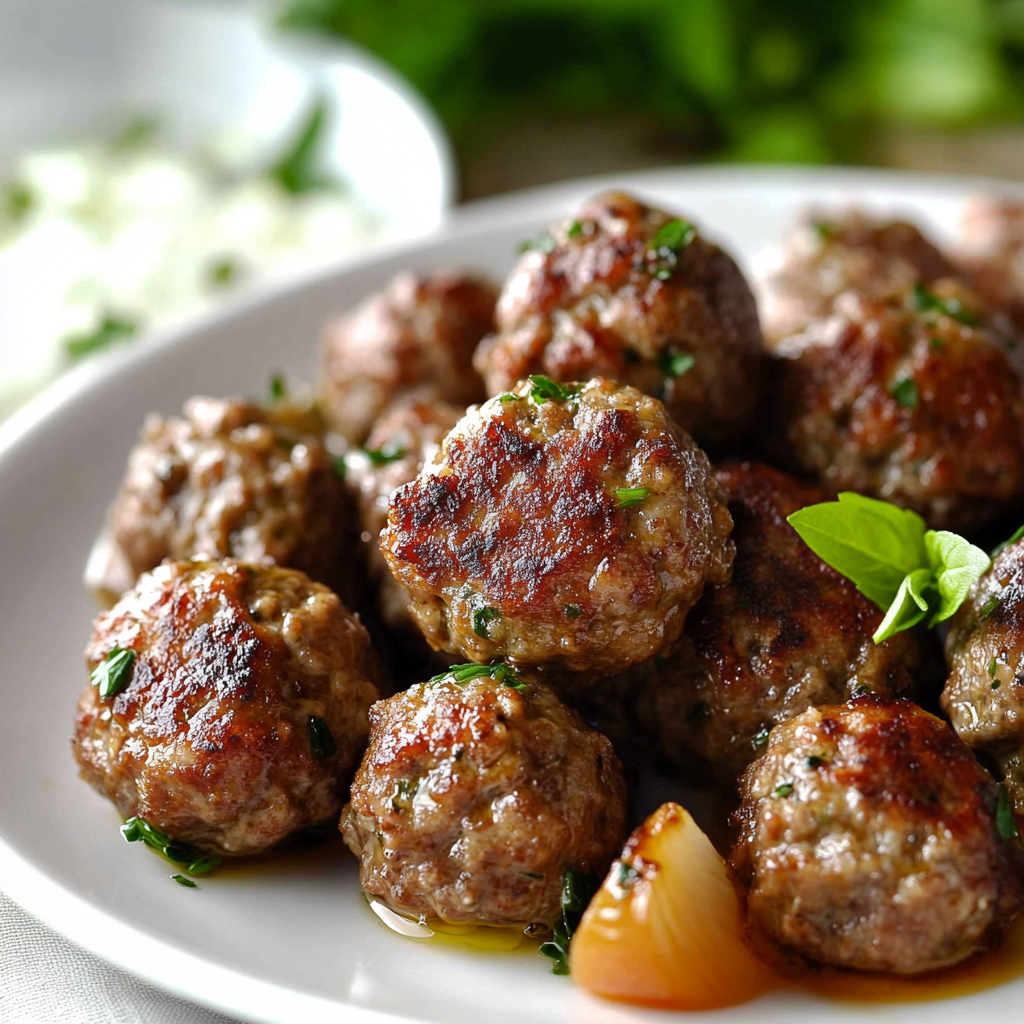
Greek meatballs, also known as keftedes, offer a delightful combination of flavors and textures that reflect the rich culinary heritage of Greece. These savory morsels are not only easy to prepare but also versatile enough to serve as an appetizer or a main dish. With their crispy exterior and tender interior, these meatballs are packed with aromatic herbs and spices that evoke the essence of Mediterranean cooking.
In this article, you?ll discover how to create your own batch of authentic Greek meatballs. We’ll cover everything from the essential ingredients to step-by-step preparation instructions. Whether you’re hosting a dinner party or simply looking for a comforting meal that brings family together, these meatballs will surely impress your guests and satisfy your taste buds.
Additionally, we?ll share tips on serving and storing your delicious creations so that you can enjoy them long after they?re made. So let’s dive into the world of Greek flavors and learn how to make these delightful treats that will transport you straight to the sun-soaked shores of Greece!
Main Ingredients
Ground Meat
Ground meat is the foundation of any great meatball recipe. For Greek meatballs, a combination of ground beef and lamb works beautifully to provide depth of flavor. Use about 1 pound (450 grams) total; half beef and half lamb creates a balance between richness and tenderness. The fat content in lamb adds juiciness while beef lends a hearty texture.
Breadcrumbs
Breadcrumbs help bind the ingredients together while keeping the texture light and airy. Approximately ? cup (50 grams) of fresh breadcrumbs is ideal for this recipe. Fresh breadcrumbs absorb moisture better than dried ones, ensuring that your meatballs stay moist during cooking. You can easily make fresh breadcrumbs by pulsing day-old bread in a food processor.
Onion
Onion contributes sweetness and savory notes to the mixture. One medium onion (about 150 grams) should be finely chopped or grated before being added to the beef-lamb blend. Cooking it lightly before mixing helps enhance its natural sugars, adding an extra layer of flavor without overwhelming the final dish.
Garlic
Garlic is an essential ingredient in Greek cuisine that adds depth to your meatball mix. For this recipe, use three cloves of minced garlic?approximately 9 grams? for a robust flavor without overpowering other components. Garlic complements the spices beautifully while providing health benefits.
Fresh Herbs
Fresh herbs are crucial in elevating the flavor profile of your Greek meatballs. A combination of parsley (? cup chopped), mint (2 tablespoons chopped), and dill (2 tablespoons chopped) brings brightness and freshness to the dish. These herbs not only add taste but also enhance the visual appeal with their vibrant green colors.
Eggs
One large egg acts as a binder in this mixture, helping keep all ingredients together while allowing them to retain moisture during cooking. The egg also provides structure which helps maintain shape when formed into balls?essential for achieving that perfect golden crust on each side.
Spices
A blend of spices including salt (1 teaspoon), black pepper (? teaspoon), cumin (1 teaspoon), cinnamon (? teaspoon), and allspice (? teaspoon) rounds out the flavor of these delicious treats. Each spice plays its role?cinnamon adds warmth while cumin imparts an earthy undertone that encapsulates Mediterranean charm.
How to Prepare Greek Meatballs
Step 1: Preparing Your Ingredients
Begin by preparing all your ingredients before diving into mixing them together for easier assembly later on. Start by finely chopping one medium onion and mincing three cloves of garlic; set aside once done so they can be added fresh into the mixture later on! Next up is measuring out your breadcrumbs?fresh ones work best here?and gathering measuring spoons filled with salt, pepper, cumin, cinnamon, and allspice for seasoning perfection!
Chop up fresh parsley along with mint leaves as well as dill until you have enough quantity ready?this should take roughly five minutes if done properly! Finally grab one large egg from your fridge because it will act as both binder & moisture agent throughout our cooking endeavor!
Step 2: Mixing Everything Together
In a large mixing bowl combine ground beef & lamb first before tossing in prepared onions along with minced garlic next! Now sprinkle measured amounts of salt & pepper along with cumin & cinnamon directly over our protein base; then add chopped fresh herbs too! It?s important now not only do we want flavors evenly distributed but also ensure no tough bits remain within our mix!
Once everything is incorporated well it?s time to crack open that egg right into our mixture?this will help bind everything nicely! Make sure hands are clean before getting involved; using clean hands gently mix until just combined! Avoid over-mixing as it can result in toughened texture later on when cooked?this step usually takes about two minutes max!
Step 3: Forming Meatballs
Now comes one of my favorite parts?shaping those lovely little morsels! Grab around two tablespoons worth from our mixture; roll it gently between palms until it forms smooth balls about one inch wide each?repeat until all mixture has been used up!
You should yield approximately 20-24 pieces depending on exact size chosen here; place formed balls onto lightly greased baking sheet lined with parchment paper which prevents sticking during cooking phase ahead! Once done shaping ensure they rest in fridge for at least thirty minutes prior frying?they?ll hold their shape better this way!
Step 4: Cooking Your Meatballs
With our prepared raw keftedes resting comfortably let?s get started cooking them up perfectly! Heat two tablespoons olive oil over medium-high heat until shimmering hot but not smoking inside skillet?we want nice sizzle sound when placing them down!
Carefully add half batch at first allowing space between each ball so they brown evenly all around?a crowded pan leads uneven results here folks! Saut? approximately six minutes total flipping occasionally until golden brown crust appears outside while remaining juicy inside?we aim for internal temperature reaching 160?F/70?C at least before serving up goodness hot off stovetop!
Once cooked transfer finished batch onto plate lined paper towel absorbing excess oil before repeating same steps again using other half left behind earlier?it shouldn?t take more than ten minutes total per lot ensuring no burning occurs throughout process either way!

Serving and Storing Tips
Serving Suggestions
Greek Meatballs shine bright alongside various accompaniments enhancing overall experience even further than they already are alone! Serve warm atop fluffy couscous drizzled generously with tzatziki sauce made from yogurt mixed cucumber garlic lemon juice?it balances richness beautifully creating refreshing contrast against spiced flavors present within keftedes themselves.
Alternatively consider pairing these delightful bites alongside classic Mediterranean sides like roasted vegetables garnished lemon wedges giving extra zest upon consumption; or perhaps some warm pita bread sliced complementing well bringing additional enjoyment into play here too!
For more formal occasions arrange platter including assorted dipping options such as hummus baba ghanoush enabling guests tasting adventure discovering different textures unique flavors merging wonderfully together making every bite memorable indeed.
Storing Leftovers
If you find yourself fortunate enough having leftovers after enjoying meal don?t fret?they store remarkably well ensuring enjoyment extends beyond first round served warm out pan too! Allow cooled down completely before transferring them into airtight container stored within refrigerator where they should last around three days maximum if handled carefully without compromising quality beforehand.
Should cravings strike again later just reheat individually within microwave safe dish covered loosely preventing drying out while ensuring even heat distribution throughout entire portion heated back up again quickly whenever needed most making life easier during busy weekdays ahead when time is short yet satisfaction desired nonetheless!
Alternatively consider freezing uncooked batches pre-formed allowing convenience future meals ready made needing just quick thawing prior cooking off whenever desired turning those moments spontaneous dinners happen effortlessly over time becoming commonplace habit enjoyed regularly thereafter too!
Ready for more flavor? Browse our other recipes here.
Mistakes to avoid :
Overmixing the Meat
One common mistake when preparing Greek meatballs is overmixing the meat mixture. When you mix the ground meat with other ingredients like breadcrumbs, herbs, and spices, it’s essential to do it gently. Overmixing can lead to tough meatballs that lack the desired tenderness. To avoid this, combine your ingredients until just incorporated. Use your hands lightly or a wooden spoon to ensure that you maintain a fluffy texture. A good rule of thumb is to stop mixing when you no longer see dry ingredients. This will help keep your Greek meatballs juicy and flavorful.
Using Dry Ingredients
Another mistake to avoid is using dry or stale ingredients in your Greek meatball recipe. Freshness matters significantly in flavor and texture. Always opt for fresh herbs rather than dried ones for a vibrant taste. Fresh parsley, mint, and dill can elevate your meatballs, making them aromatic and delicious. Additionally, ensure that your bread crumbs are fresh as well; stale breadcrumbs can absorb moisture differently, leading to dry meatballs. If possible, make your own breadcrumbs from day-old bread to achieve optimal freshness.
Skipping the Resting Time
Resting time is crucial for the flavors in Greek meatballs to meld together effectively. Many cooks skip this step out of impatience. Allowing your mixture to rest for at least 30 minutes in the refrigerator helps enhance the flavors and improves the overall texture of the meatballs. The chilling process allows fats to solidify slightly, which will help hold the meatballs together during cooking. This step is particularly important if you’re planning on frying or baking them later.

Want to try something else? Here?s another crowd-pleaser!
Tips and tricks :
Use Quality Meat
For exceptional Greek meatballs, use high-quality ground meat, preferably a combination of beef and lamb for authentic flavor. The fat content plays a significant role in achieving juicy meatballs; therefore, aim for ground meats with at least 15% fat content. This combination not only enhances flavor but also keeps them moist during cooking. If you’re concerned about health, consider using leaner cuts while balancing with some olive oil for moisture.
Experiment with Spices
Greek cuisine thrives on bold flavors; don?t shy away from experimenting with spices in your Greek meatballs. Common spices include cumin, coriander, and cinnamon?each adding its unique touch. A pinch of allspice or nutmeg can also elevate the dish dramatically. Don?t hesitate to adjust spice levels according to your palate; remember that balancing flavors is key in creating delicious meatballs that stand out.
Choose Cooking Method Wisely
The cooking method plays an important role in how Greek meatballs turn out regarding texture and flavor profile. You can choose between frying, baking, or grilling them based on personal preference and health considerations. Frying gives a crispy outer layer but may involve excess oil, while baking provides a healthier alternative without sacrificing too much flavor when done properly. Grilling imparts smokiness but requires careful attention to prevent drying out the meatballs.
Discover a new favorite meal with this recipe!
Suggestions for Greek Meatballs :
Pair with Dipping Sauces
Enhance your meal by serving Greek meatballs with delightful dipping sauces that complement their rich flavors. Tzatziki sauce made from yogurt, cucumber, garlic, olive oil, and dill pairs perfectly with these savory bites. Alternatively, consider a spicy harissa sauce or a simple marinara sauce for those who appreciate zestier options. Presenting these dips not only elevates flavor but also adds an engaging element to your dining experience.
Serve with Traditional Sides
A great way to enjoy Greek meatballs is by serving them alongside traditional sides that balance their richness. Consider pairing them with a fresh Greek salad featuring tomatoes, cucumbers, olives, and feta cheese drizzled with olive oil and lemon juice. Another option could be roasted vegetables seasoned with oregano or a simple pilaf made from rice cooked in vegetable broth for added flavor.
Make Ahead for Convenience
Preparing Greek meatballs ahead of time can save you considerable effort during busy weekdays or gatherings. You can mix the ingredients and shape them into balls beforehand?just store them covered in the refrigerator until you’re ready to cook them later in the day or week! This way, you retain flexibility without compromising on quality; simply cook straight from the fridge when needed for effortless meal preparation.

Looking for something different? Explore another tasty dish here.
FAQs for Greek Meatballs
What are Greek Meatballs made of?
Greek meatballs, also known as “keftedes,” are deliciously seasoned ground meat balls typically made from a combination of ground lamb or beef, breadcrumbs, onions, garlic, and fresh herbs like parsley and mint. These ingredients create a flavorful mixture that is both juicy and aromatic. The use of spices such as cumin and cinnamon adds depth to the flavor profile. Many recipes may include feta cheese for added richness, while others might call for yogurt to keep the meatballs moist. The versatility of ingredients allows cooks to adapt the recipe according to personal preferences or dietary restrictions. Whether baked or fried, Greek meatballs are a delightful dish enjoyed in various culinary settings.
How do you cook Greek Meatballs?
To cook Greek meatballs, start by preheating your oven to 400?F (200?C) if you choose to bake them. Shape the meat mixture into small balls about one inch in diameter. Place them on a lined baking sheet and bake for 20-25 minutes until they are golden brown. If you prefer frying, heat olive oil in a skillet over medium heat and add the meatballs carefully. Cook until browned on all sides and cooked through, generally about 8-10 minutes. This method gives them a crispy exterior while keeping the inside juicy. Both cooking methods yield delicious results; choose one based on your preference.
Can Greek Meatballs be frozen?
Yes, Greek meatballs can be frozen for later use! To freeze, prepare the meatballs as per your recipe but do not cook them first. Arrange them on a baking sheet lined with parchment paper in a single layer and place them in the freezer until they are firm. Once frozen, transfer the meatballs to airtight containers or freezer bags. They can last up to three months in the freezer without losing much flavor or texture. When ready to cook, simply thaw them overnight in the fridge and then bake or fry according to your preferred method.
What do you serve with Greek Meatballs?
Greek meatballs pair wonderfully with various side dishes that complement their flavors. Consider serving them with tzatziki sauce for dipping; this cooling yogurt-based sauce goes perfectly with the warm spices of the meatballs. Rice pilaf or lemon potatoes make excellent accompaniments that absorb any sauces well. Additionally, consider a fresh salad with cucumbers, tomatoes, and olives for a refreshing contrast. Pitas also work great for a more casual meal; simply wrap some meatballs with veggies and sauce for an easy-to-eat option.
Are Greek Meatballs healthy?
Greek meatballs can be part of a balanced diet when prepared mindfully. Ground meats like lamb or beef provide protein essential for muscle growth and repair but can be higher in fat content. Opting for leaner cuts or substituting turkey can reduce calories without sacrificing taste. Including whole-grain breadcrumbs adds fiber, making them more filling and nutritious. Furthermore, using herbs like parsley not only enhances flavor but also contributes vitamins and antioxidants beneficial to health. Balance is key; enjoy these tasty bites alongside plenty of vegetables for a well-rounded meal.
How long do Greek Meatballs last in the fridge?
Cooked Greek meatballs can last in the refrigerator for about three to four days when stored properly in an airtight container. Make sure they cool down before sealing them away to prevent moisture buildup inside the container, which could lead to spoilage. If you’re unsure about their freshness after this time frame, check for any off smells or changes in texture before consuming them. For longer storage options, consider freezing them as previously mentioned; this preserves their taste effectively while allowing you flexibility in meal planning.
Craving more delicious ideas? Check out this recipe!
Conclusion for Greek Meatballs
In summary, Greek meatballs are an incredibly versatile dish that showcases rich flavors from simple ingredients like ground meats, herbs, and spices. With various cooking methods available?whether baking or frying?these little morsels fit into numerous meal scenarios from elegant dinners to casual gatherings. Their ability to be frozen makes meal prep easier than ever; you can prepare large batches ahead of time without loss of quality! Additionally, serving options abound: from tzatziki sauce dips to hearty salads or rice sides that enhance each bite’s experience.
Being mindful about ingredient choices can help maintain health benefits while enjoying these savory treats within balanced meals. Overall, whether you’re savoring traditional keftedes at home or exploring new interpretations of this classic dish, you’ll find that these flavorful bites bring joy and satisfaction to any dining occasion!
Print
Greek Meatballs
- Total Time: 35 minutes
- Yield: 20 servings 1x
Description
Greek meatballs, or keftedes, are a delightful representation of Mediterranean cuisine that brings together ground beef and lamb, fragrant herbs, and warm spices. These little morsels are perfect for any occasion, whether served as an appetizer at a gathering or as part of a hearty meal. With their crispy exterior and juicy interior, Greek meatballs burst with flavor and are sure to impress your family and friends. Paired with tzatziki sauce or served alongside a fresh Greek salad, they create a meal that evokes the essence of Greece.
Ingredients
1/2 pound ground beef
1/2 pound ground lamb
1 medium onion, finely chopped
3 cloves garlic, minced
1/2 cup fresh breadcrumbs
1 large egg
1/4 cup chopped parsley
2 tablespoons chopped mint
2 tablespoons chopped dill
Spices: salt, black pepper, cumin, cinnamon, allspice
Instructions
In a large bowl, combine the ground beef and lamb with the onion, garlic, breadcrumbs, egg, parsley, mint, dill, and spices. Mix gently until just combined.
Shape the mixture into balls about one inch in diameter.
Place meatballs on a lined baking sheet and refrigerate for at least 30 minutes.
Heat olive oil in a skillet over medium heat and cook the meatballs in batches until golden brown on all sides (about 6 minutes).
Serve warm with tzatziki sauce or alongside your favorite sides.
Notes
For added flavor, consider mixing in crumbled feta cheese.
To make this dish gluten-free, use gluten-free breadcrumbs.
- Prep Time: 20 minutes
- Cook Time: 15 minutes
Nutrition
- Calories: 250
- Fat: 15g
- Carbohydrates: 15g
- Protein: 18g