As the crisp autumn air settles in, there’s nothing quite like a warm bowl of acorn squash soup to embrace the season. This delightful dish not only warms you up but also offers a sweet and nutty flavor that is both comforting and nutritious. Acorn squash is rich in vitamins A and C, making it a healthy choice for any meal. In this article, we will guide you through creating a creamy acorn squash soup that is simple to prepare yet impressively delicious.
Whether you’re looking to serve this as an appetizer or as a main course paired with crusty bread, this recipe is versatile enough to suit any occasion. We will explore the essential ingredients you need to create this vibrant dish and provide step-by-step instructions to ensure your success in the kitchen. The smooth texture combined with aromatic spices makes this soup a favorite among family and friends.
Additionally, we?ll share serving suggestions and storage tips so you can enjoy your acorn squash soup throughout the week. So let?s dive into the world of flavors and textures that make this dish a fall staple!
Main Ingredients
Acorn Squash
Acorn squash is the star of our recipe. Its unique shape and mild sweetness create the perfect base for our soup. Choose two medium-sized acorn squashes for about 2 pounds total. When selecting your squash, look for ones that feel heavy for their size and have firm skin without any blemishes or soft spots.
Onion
Onions add depth and flavor to our acorn squash soup. You will need one medium yellow onion, chopped finely. Saut?ing onions until they are translucent enhances their sweetness while providing an aromatic foundation for the dish.
Garlic
Garlic introduces a robust flavor profile that elevates the overall taste of the soup. Use four cloves of fresh garlic, minced. Adding garlic during the saut?ing process ensures its flavor infuses into the broth beautifully.
Vegetable Broth
For a savory base, vegetable broth adds richness without overpowering the natural sweetness of the acorn squash. Use about 4 cups of low-sodium vegetable broth to keep everything balanced while allowing you to control salt levels.
Coconut Milk
Coconut milk provides creaminess while adding a subtle tropical flavor to your soup. One can (about 13.5 ounces) of full-fat coconut milk works best for achieving that velvety texture we desire in our final dish.
Olive Oil
A couple of tablespoons of olive oil are needed for saut?ing your vegetables at the beginning stages of cooking. It helps in softening onions and garlic while also adding healthy fats to your meal.
Spices
To season our acorn squash soup perfectly, you?ll need ground ginger (1 teaspoon) and ground nutmeg (? teaspoon). These spices enhance the natural flavors of the squash while creating a warming effect ideal for chilly evenings.

How to Prepare Acorn Squash Soup
Step 1: Prepare Your Vegetables
Start by preheating your oven to 400?F (200?C). While it’s heating up, wash your acorn squashes thoroughly under running water; then cut them in half lengthwise using a sharp knife. Scoop out the seeds with a spoon?don?t discard them! You can roast those seeds later for a crunchy topping.
Next, place each half face down on a baking sheet lined with parchment paper or foil. Roast them in the oven for about 30-40 minutes until they are tender when pierced with a fork. While they roast, proceed with preparing your other vegetables.
Finely chop one medium yellow onion and mince four cloves of garlic on a cutting board?make sure they?re ready before you move on to saut?ing them later on!
Step 2: Saut? Onions and Garlic
Once your acorn squashes have been roasting for around 20 minutes (or when starting to soften), heat two tablespoons of olive oil in a large pot over medium heat on your stovetop. Add in your chopped onions and sprinkle with salt; saut? them until they become translucent?this usually takes about 5-7 minutes.
Afterward, stir in minced garlic along with one teaspoon ground ginger and half teaspoon ground nutmeg; cook everything together until fragrant (about 1-2 minutes). This mixture creates an aromatic base that will enhance every spoonful of your final dish!
Step 3: Combine Ingredients
At this point, remove roasted acorn squashes from the oven once they’re soft enough?let them cool slightly before handling! Scoop out their flesh using a spoon carefully so you don?t waste any goodness?discarding skins once empty.
Add scooped flesh directly into your pot containing saut?ed onions and garlic; pour four cups vegetable broth over everything next! Stir well until all ingredients combine nicely; increase heat slightly bringing it all up just until boiling begins bubbling gently along edges.
Reduce heat back down allowing mixture simmer uncovered about fifteen minutes?this lets flavors meld while ensuring everything cooks evenly through without burning anything at bottom layer!
Step 4: Blend Until Smooth
After simmering time is complete allow cooling slightly before blending batch-wise either using an immersion blender or standard countertop blender?be cautious if using regular blenders since hot liquids can splatter easily!
Blend each portion until completely smooth; return blended contents back into pot once done! If desired adjust consistency by adding more vegetable broth based upon personal preference regarding thickness desired!
Finally stir in one can full-fat coconut milk enhancing creaminess factor significantly?give another quick stir ensuring smooth incorporation throughout entire batch before serving!

Serving and Storing Tips
Serving Suggestions
When serving up bowls of delicious acorn squash soup consider garnishing options enticingly elevate presentation visually! Drizzle additional coconut milk atop each serving creating elegant swirls across surface showcasing its creamy texture beautifully!
Fresh herbs such as thyme or parsley also work wonderfully sprinkled atop finished product adding vibrant color contrast against rich golden hue achieved from roasted squashes used within recipe itself!
Pair alongside crusty artisan bread slices grilled lightly buttered making perfect accompaniment complementing warmth offered through hearty flavors found within each spoonful enjoyed during colder months ahead!
Storing Leftovers
If you’ve made extra portions storing leftovers correctly helps maintain freshness longer ensuring enjoyable meals another day too! Allow cooled soup completely reaching room temperature before transferring into airtight containers suitable refrigerating up three days maximum duration safely consuming later on without spoilage risk occurring prematurely due improper handling methods employed beforehand!
For longer-term storage options freezing permissible extending shelf-life significantly reaching several months if sealed properly avoiding freezer burn occurrence impacting quality over time frame experienced throughout duration frozen state held within appliance utilized accordingly maintaining original taste intact once thawed eventually ready enjoying again after some time passes since initial preparation took place originally prepared beforehand altogether properly stored maintained well cared-for standards applied consistently throughout entire process ensuring safety healthiness upheld constantly during consumption stages overall experience enjoyed thoroughly appreciated fully appreciated all around ultimately leading towards satisfaction gained through delightful dining experiences shared enjoyed widely amongst loved ones friends alike gathered together sharing moments created memories lasting lifetimes!
Mistakes to Avoid for Acorn Squash Soup
Using Unripe Acorn Squash?
One of the most common mistakes when making Acorn Squash Soup is using unripe squash. Unripe acorn squash has a firm texture and lacks the sweetness that fully ripened squash offers. The taste will be bland, which can lead to an unsatisfactory soup experience. To ensure you select the best acorn squash, look for one that feels heavy for its size and has a matte finish. A shiny skin often indicates that the squash is not ripe enough. Additionally, check for any soft spots or blemishes, as these can indicate spoilage.
When you cut into the squash, it should have a vibrant yellow-orange hue with seeds that are well-formed. If you encounter a white or greenish interior, it’s likely underdeveloped. Always opt for ripe acorn squash to enhance the flavor profile of your soup. Cooking with high-quality ingredients results in a more delicious and satisfying dish.
Overcooking the Squash
Another mistake is overcooking the acorn squash. When preparing Acorn Squash Soup, cooking the squash too long can lead to mushy textures and loss of flavor. Overcooked squash releases more moisture than needed, resulting in a watery soup that lacks depth. To avoid this, aim for a cooking time of around 30 to 40 minutes when roasting at 400?F.
Check for doneness by piercing the flesh with a fork; it should be tender but not falling apart. If you’re boiling or steaming, do keep an eye on the clock and test periodically. Once cooked perfectly, let it cool slightly before blending to achieve that rich, creamy texture that characterizes good soup.
Ignoring Seasoning
Ignoring seasoning is yet another pitfall when making Acorn Squash Soup. While acorn squash has a naturally sweet flavor, it requires complementary spices to elevate its taste further. A pinch of salt can enhance sweetness while adding spices like nutmeg or cinnamon can create a warm depth that balances the flavors effectively.
Don?t forget herbs like thyme or sage; they add aromatic qualities that enhance your soup’s overall profile. Taste as you cook and gradually adjust seasoning rather than adding everything at once. This method allows you to control the final flavor better and ensures your Acorn Squash Soup stands out.
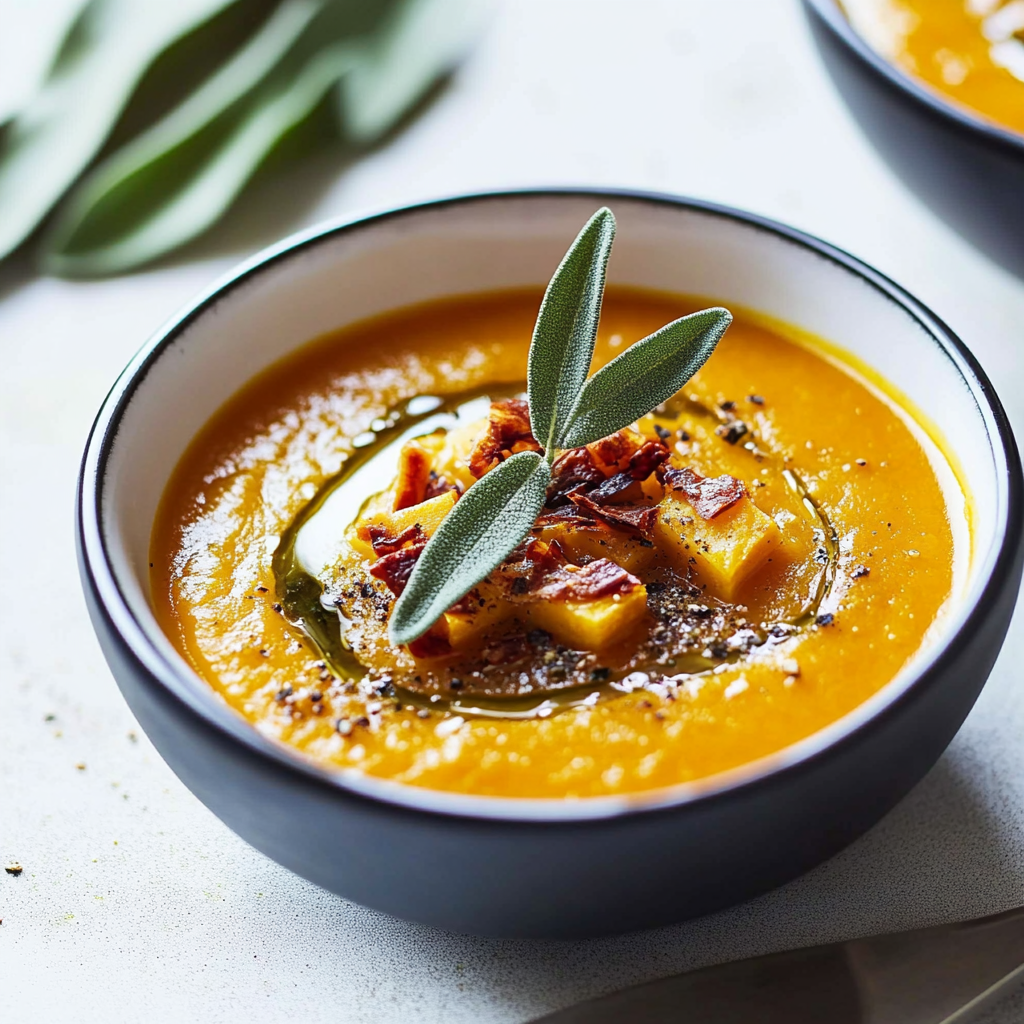
Tips and Tricks for Acorn Squash Soup
Choosing the Right Ingredients for Acorn Squash Soup
Choosing high-quality ingredients is crucial for making exceptional Acorn Squash Soup. Start with fresh produce; ripe acorn squash should feel heavy and have smooth skin without blemishes. Fresh garlic and onions can significantly influence the base flavor of your soup.
If possible, use homemade vegetable broth instead of store-bought versions; this adds layers of taste that enhance your dish tremendously. Fresh herbs like thyme or rosemary are also excellent additions to enrich flavors further. By focusing on quality ingredients from the beginning, you set yourself up for success in creating a delicious and memorable soup.
Preparing in Advance
Preparing components of your Acorn Squash Soup in advance can save time and reduce stress during busy days. You can roast several acorn squashes at once, then store them in airtight containers in your refrigerator for up to five days. This simple step allows you to whip up your soup quickly when you’re ready.
Additionally, consider making larger batches of broth or saut?ing onions and garlic ahead of time so they’re ready when needed. These advance preparations enable smoother cooking experiences and help maintain rich flavors in your final dish.
Blending Techniques
Blending techniques play a significant role in achieving the desired consistency for Acorn Squash Soup. For a velvety texture, use an immersion blender directly in your pot after all components have cooked down well together.
Alternatively, transferring batches to a countertop blender works too?just ensure not to overfill it as hot liquids can expand unexpectedly during blending! Blend until smooth but avoid over-processing; some texture contributes positively to soups’ overall experience.
Suggestions for Acorn Squash Soup
Experimenting with Flavors
Experimenting with different flavor combinations can take your Acorn Squash Soup from ordinary to extraordinary! Consider adding coconut milk for creaminess or apple cider for an added layer of sweetness and tanginess.
You might also want to try incorporating roasted garlic or ginger into your recipe; both options provide warmth while enhancing nutritional value without overpowering flavors already present within the soup itself! Don’t hesitate to get creative?flavor experimentation leads often yields delightful surprises!
Serving Suggestions
Serving suggestions significantly impact how enjoyable your Acorn Squash Soup becomes at mealtime! Consider pairing it with crunchy toppings such as toasted pumpkin seeds or croutons; their textures contrast beautifully against creamy soup bases.
Additionally, serve alongside artisanal bread slices drizzled lightly with olive oil as an excellent accompaniment! For garnish purposes, sprinkle freshly chopped parsley atop each bowl right before serving?a touch of color elevates presentation while boosting overall appeal!
Storing Leftovers Properly
Properly storing leftovers extends shelf life while maintaining quality flavors found within delicious bowls of Acorn Squash Soup! Allow cooled portions to reach room temperature before transferring them into airtight containers suitable for refrigeration.
Leftover soups generally last about three days stored properly?but consider freezing extra portions if longer storage is needed! Use freezer-safe bags or containers labeled clearly so you remember what’s inside later down the line?this practice helps minimize waste while ensuring tasty meals remain accessible anytime cravings hit!

FAQs for Acorn Squash Soup:
What are the main ingredients in Acorn Squash Soup?
The main ingredients in acorn squash soup include ripe acorn squash, vegetable broth, onions, garlic, and spices. You can choose to add additional flavors such as ginger or nutmeg to enhance the taste. To make it creamy, many recipes call for coconut milk or heavy cream. These ingredients combine to create a rich and velvety texture that makes the soup comforting and delicious. Fresh herbs like thyme or sage can lend additional depth to the flavor profile. If you want to boost nutrition, consider adding carrots or celery. This versatile recipe allows for substitutions based on what you have at home, making it both flexible and delightful.
How do you prepare Acorn Squash for soup?
Preparing acorn squash for soup is straightforward. First, preheat your oven to 400?F (200?C). Cut the acorn squash in half vertically and scoop out the seeds. You can roast the halves face down on a baking sheet lined with parchment paper for about 30-40 minutes until tender. Roasting enhances its natural sweetness and flavor. Once cooled, scoop the flesh from the skin and set it aside. Saut? onions and garlic in a pot with olive oil until they are translucent, then add the roasted acorn squash along with broth and spices. Blend until smooth for a perfect consistency.
Can I freeze Acorn Squash Soup?
Yes, you can freeze acorn squash soup! Freezing is an excellent way to preserve leftovers or meal prep for busy days. After cooking and blending your soup, let it cool completely before transferring it into airtight containers or freezer bags. Make sure to leave some space at the top of your containers since liquids expand when frozen. The soup can last in the freezer for about three months without losing its quality. When you’re ready to enjoy it again, simply thaw overnight in the refrigerator and reheat on the stove until warmed through.
What can I serve with Acorn Squash Soup?
Acorn squash soup pairs well with various side dishes that complement its rich flavor. A crisp green salad makes a refreshing contrast, especially with vinaigrette dressing that adds acidity. Crusty bread or homemade croutons also make excellent accompaniments; they provide texture and soak up delicious broth. For a heartier meal, consider serving grilled cheese sandwiches or panini filled with sharp cheddar or gouda cheese alongside your soup. You could also offer a selection of toppings like pumpkin seeds or fresh herbs to enhance each bowl’s presentation and taste.
Is Acorn Squash Soup healthy?
Acorn squash soup is indeed healthy! It is rich in vitamins A and C, which support immune function and skin health. The fiber content from both acorn squash and any added vegetables promotes digestive health as well. When prepared with low-sodium broth and limited added fats like cream or butter, this soup remains light while still being satisfying. Additionally, if you incorporate spices such as ginger or turmeric, they bring anti-inflammatory properties into your dish, making it not just delicious but beneficial too.
Can I make Acorn Squash Soup vegan?
Absolutely! Making acorn squash soup vegan is simple by substituting certain ingredients while maintaining great flavor. Instead of using heavy cream, opt for coconut milk or cashew cream for a rich texture without dairy products. Ensure your vegetable broth is vegan-friendly as well?many store-bought options meet this criterion nowadays. You can further enhance flavors by adding roasted garlic or using vegetable-based seasonings like miso paste for depth without animal products. This way, you create a delightful vegan dish that’s suitable for everyone at your table.
Conclusion for Acorn Squash Soup:
Acorn squash soup is not only a delightful dish but also easy to prepare using simple ingredients commonly found in most kitchens. By roasting the acorn squash beforehand, you unlock its natural sweetness which contributes significantly to the overall flavor profile of the soup. Whether you’re looking to warm up on a chilly day or impress guests at dinner parties, this recipe serves countless purposes while remaining nutritious.
You can customize your soup by experimenting with various spices, vegetables, and toppings that suit your taste preferences best! Notably versatile; this dish fits perfectly into vegetarian and vegan diets when modified accordingly?making it accessible to many people seeking healthy meals without sacrificing flavor.
Incorporating this delicious recipe into your meal rotation not only provides comfort but also encourages creativity in cooking! With its rich nutrients from vegetables combined with creamy textures derived from plant-based milks or broths; every bowl offers warmth that nourishes both body and soul during any season! Enjoy crafting this delectable dish while sharing it with loved ones around your table!
Print
Acorn Squash Soup
- Total Time: 1 hour 5 minutes
- Yield: Serves 4
Description
Creamy Acorn Squash Soup
Warm yourself with this luscious Creamy Acorn Squash Soup, a perfect dish for chilly autumn evenings. This delightful soup combines the natural sweetness of roasted acorn squash with aromatic spices and creamy coconut milk, creating a comforting bowl that?s both nutritious and satisfying. Easy to prepare, it makes for an excellent starter or main course when paired with crusty bread. Enjoy the vibrant flavors of fall while nourishing your body!
Ingredients
2 medium acorn squashes (about 2 lbs)
1 medium yellow onion, finely chopped
4 cloves garlic, minced
4 cups low-sodium vegetable broth
1 can (13.5 oz) full-fat coconut milk
2 tbsp olive oil
1 tsp ground ginger
? tsp ground nutmeg
Salt to taste
Instructions
Preheat your oven to 400?F (200?C). Cut the acorn squashes in half, scoop out the seeds, and roast them face down on a lined baking sheet for 30-40 minutes until tender.
In a large pot, heat olive oil over medium heat. Saut? onions until translucent, then add garlic, ginger, and nutmeg; cook until fragrant.
Scoop the roasted squash flesh into the pot and add vegetable broth. Bring to a gentle boil, then reduce heat and simmer for 15 minutes.
Blend until smooth using an immersion blender or countertop blender. Stir in coconut milk and adjust seasoning if needed.
Notes
For added texture, reserve some roasted squash seeds for garnish.
Experiment by adding other spices like cinnamon or curry powder for unique flavor variations.
- Prep Time: 15 minutes
- Cook Time: 50 minutes
Nutrition
- Calories: 220
- Fat: 9g
- Carbohydrates: 32g
- Fiber: 5g
- Protein: 4g