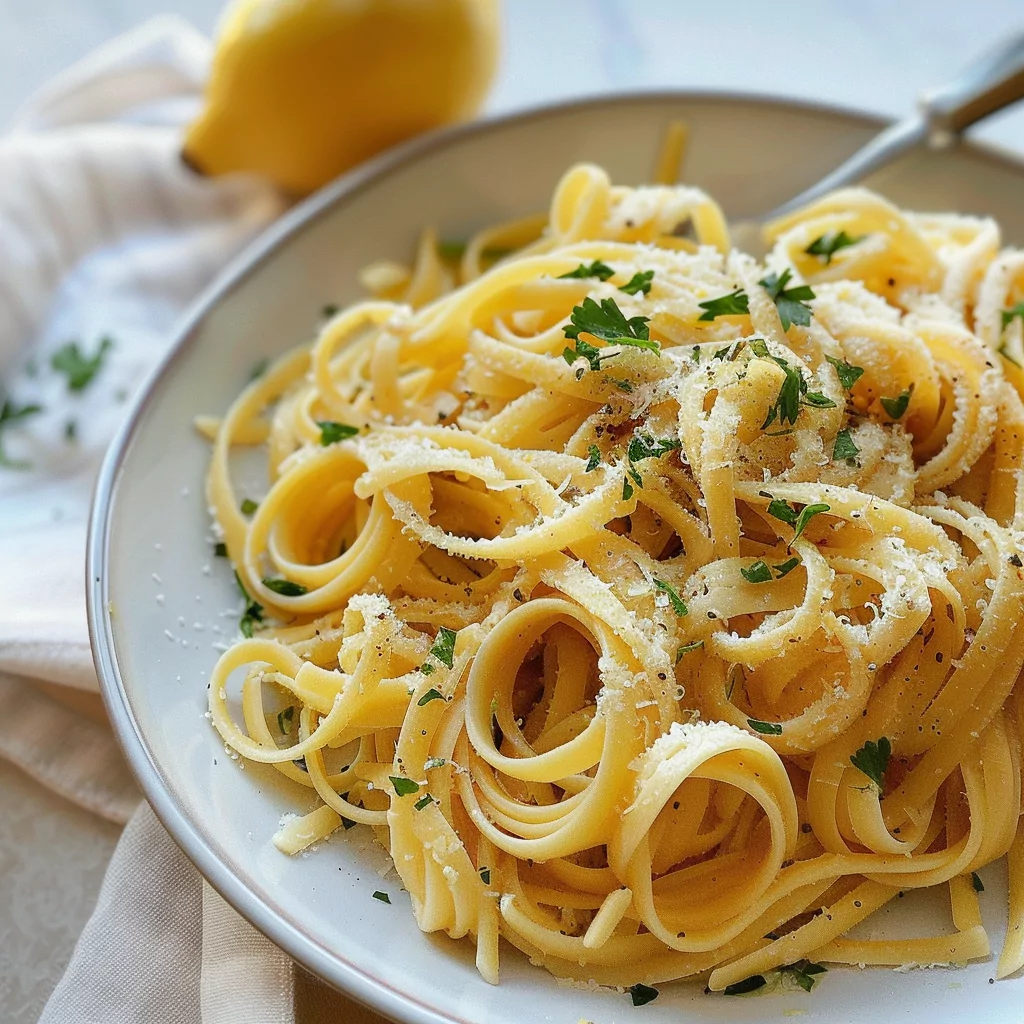
Eating pasta can be like dancing on a tightrope when you have Crohn’s or colitis. You crave that delightful twirl of fettuccine or the comforting embrace of spaghetti, yet your digestive system seems to have its own plans. hearty one pot lasagna Fear not! With some clever tips for eating pasta with Crohn’s and colitis, you can enjoy this beloved dish without fear of a culinary catastrophe.
Picture this: a steaming plate of creamy pesto pasta, the aromatic basil wafting through the air like an invitation to indulge. You take a bite, and suddenly, it feels like a warm hug on a cold day. But wait, what if I told you that enjoying this bliss doesn’t have to end in chaos? Trust me; I’ve been there, staring down at my plate with both excitement and trepidation. Let’s navigate these pasta waters together, shall we?
Why You'll Love This Recipe
- Eating pasta has never been easier with these handy tips tailored for your unique needs.
- Say goodbye to bland meals as flavorful options await your taste buds.
- The adaptable nature of these tips means you’re never stuck eating the same boring dish twice.
- Plus, get ready for colorful plates that not only taste great but also look stunning on your table!
Ingredients for Tips for eating pasta with Crohn’s and colitis
Here’s what you’ll need to make this delicious dish:
- Gluten-Free Pasta: Opt for gluten-free varieties made from rice or quinoa to ease digestion while still enjoying your favorite shapes.
- Low-FODMAP Vegetables: Choose zucchini, carrots, or bell peppers?these are gentle on the gut while adding color and crunch.
- Olive Oil: A drizzle of high-quality olive oil adds flavor without irritating the digestive system; it’s liquid gold!
- Herbs and Spices: Fresh basil or oregano can elevate the flavor profile without causing discomfort?think tasty without the tummy troubles.
- Protein Source (Chicken or Tofu): Lean proteins like chicken breast or tofu provide sustenance while being easy on digestion; choose according to preference.
The full ingredients list, including measurements, is provided in the recipe card directly below.
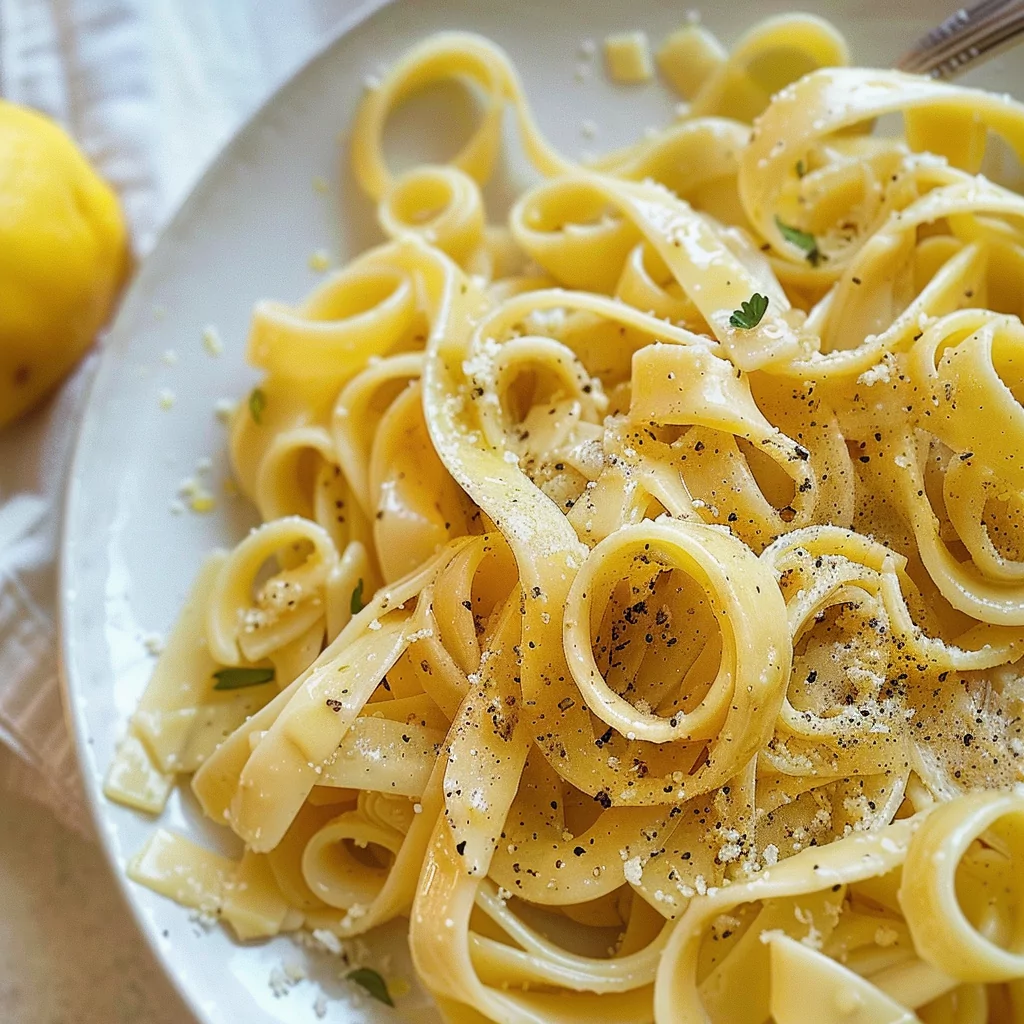
How to Make Tips for eating pasta with Crohn’s and colitis
Follow these simple steps to prepare this delicious dish:
Step 1: Choose Your Pasta
Start by selecting gluten-free pasta that suits your fancy. Cook according to package instructions until al dente. This usually takes about 8-10 minutes in boiling water.
Step 2: Prepare Your Vegetables
Chop up low-FODMAP vegetables into bite-sized pieces. Saut? them in olive oil over medium heat until they soften?around 5-7 minutes should do the trick!
Step 3: Cook Your Protein
If using chicken, season it lightly with salt and pepper before cooking it until no longer pink (about 6-8 minutes per side). For tofu lovers, saut? cubes until golden brown.
Step 4: Combine It All
Add your cooked pasta into the saut? pan filled with vegetables and protein. Toss everything together gently so that each component can mingle nicely.
Step 5: Season It Up
Sprinkle fresh herbs over your creation and drizzle more olive oil if desired for an extra punch of flavor.
Step 6: Serve with Style
Plate your masterpiece and enjoy! Consider garnishing with a bit more fresh herbs for that Instagram-worthy finish.
Transfer to plates and drizzle with sauce for the perfect finishing touch! Whether it’s a cozy dinner at home or a gathering with friends, you’ll feel empowered knowing you can savor every last bite without fear.
Enjoying pasta doesn’t have to be an uphill battle when you have the right tips in hand. With careful ingredient choices and mindful preparation steps, you can indulge in this beloved dish while keeping your digestive health in check. So go ahead?twirl that fork with confidence!
You Must Know
- Eating pasta with Crohn’s and colitis can be a delicious experience when you choose the right ingredients and cooking methods.
- With some planning, you can enjoy your favorite dishes while keeping your tummy happy.
- Let’s dive into tips for eating pasta that won’t cause discomfort!
Perfecting the Cooking Process
To ensure your pasta dish is both tasty and gentle on your stomach, start by boiling your pasta in salted water. While it cooks, prepare a simple sauce using low-FODMAP ingredients to minimize irritation. Finally, combine everything gently for a satisfying meal.
Add Your Touch
Feel free to customize your pasta by swapping traditional wheat varieties for gluten-free options. You can also add veggies like spinach or zucchini for extra nutrients without overwhelming your system, making every bite both enjoyable and safe.
Storing & Reheating
Store leftover pasta in an airtight container in the fridge for up to three days. When reheating, add a splash of water or broth to maintain moisture and flavor. Microwave or heat on the stovetop until warmed through.
Chef's Helpful Tips
- Remember, the key to enjoying pasta with Crohn’s and colitis lies in mindful preparation.
- Choose low-FODMAP sauces and avoid heavy creams or spicy elements.
- Don’t forget to listen to your body; it’s the best guide.
Sharing food stories is one of my favorite things! I once made a huge batch of pasta for friends who had their own digestive adventures. The laughter and joy around the table reminded me how vital it is to create meals everyone can enjoy safely.
FAQs :
What are the best types of pasta for Crohn’s and colitis?
When considering tips for eating pasta with Crohn’s and colitis, opt for low-FODMAP options like gluten-free pasta made from rice or quinoa. These varieties tend to be easier on the digestive system and can help reduce inflammation. Avoid whole wheat or high-fiber pasta, as they may aggravate symptoms. Always check ingredient labels to ensure there are no added irritants. Experimenting with different types of pasta can help you find your favorites while maintaining a balanced diet. For more inspiration, check out this Philly cheesesteak pasta recipe recipe.
How can I prepare pasta dishes that are safe for my condition?
To create safe pasta dishes while following tips for eating pasta with Crohn’s and colitis, focus on cooking methods that minimize fat and spice levels. Use simple ingredients like olive oil, lean proteins, and well-cooked vegetables to enhance flavor without causing digestive distress. Avoid heavy sauces that contain cream or cheese, as these can trigger symptoms. Instead, try homemade tomato-based sauces or light broths, which tend to be more gut-friendly.
Are there specific sauces I should avoid when eating pasta?
When following tips for eating pasta with Crohn’s and colitis, it’s crucial to steer clear of creamy or heavily spiced sauces. Alfredo, pesto, and marinara with added sugar or preservatives may irritate your gut. Instead, choose homemade marinara or simple olive oil-based dressings to keep meals safe and enjoyable. Always listen to your body; if a particular sauce causes discomfort, it?s best to eliminate it from your diet.
How often can I include pasta in my diet?
Incorporating pasta into your diet requires thoughtful consideration when following tips for eating pasta with Crohn’s and colitis. While it can be a part of your meals, moderation is key. Aim to enjoy pasta once or twice a week while balancing it with other nutrient-dense foods like vegetables and lean proteins. Keep track of how your body responds after each meal to determine the right frequency for you personally.
Conclusion for Tips for eating pasta with Crohn’s and colitis :
In summary, enjoying pasta while managing Crohn’s and colitis is achievable with mindful choices. Select low-FODMAP options like gluten-free varieties and avoid heavy or spicy sauces that might irritate your digestive system. Focus on simple preparations that emphasize gut-friendly ingredients. By listening to your body and adjusting your meals accordingly, you can enjoy delicious pasta dishes without compromising your health.
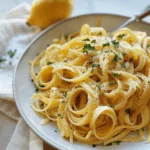
Pasta for Crohn’s and Colitis
- Total Time: 30 minutes
- Yield: Serves 4
Description
Indulge in a delightful pasta dish perfect for those with Crohn’s and colitis. This recipe features gluten-free pasta combined with vibrant, low-FODMAP veggies and lean protein, all drizzled in rich olive oil and fresh herbs. Each twirl of your fork delivers a harmonious blend of flavors that are gentle on the gut yet big on taste. Simple to prepare and beautifully balanced, this dish offers comfort without compromise?ideal for anyone seeking culinary joy while managing digestive health.
Ingredients
- 8 oz gluten-free pasta (rice or quinoa-based)
- 1 cup zucchini, diced
- 1 cup bell peppers, diced
- 2 tbsp olive oil
- 1 tsp fresh basil, chopped
- 1 tsp fresh oregano, chopped
- 6 oz chicken breast or tofu, cubed
- Salt and pepper to taste
Instructions
- Cook gluten-free pasta according to package instructions until al dente (about 8-10 minutes) in salted boiling water.
- While the pasta cooks, heat olive oil in a pan over medium heat. Saut? diced zucchini and bell peppers for about 5-7 minutes until tender.
- If using chicken, season with salt and pepper, then cook in the same pan until no longer pink (about 6-8 minutes per side). For tofu, saut? until golden brown.
- Combine cooked pasta with saut?ed vegetables and protein in the pan. Toss gently to mix.
- Sprinkle with fresh basil and oregano; drizzle additional olive oil if desired. Serve hot.
- Prep Time: 10 minutes
- Cook Time: 20 minutes
- Category: Main
- Method: Saut?ing
- Cuisine: Mediterranean
Nutrition
- Serving Size: 1 plate (approximately 350g)
- Calories: 450
- Sugar: 5g
- Sodium: 320mg
- Fat: 15g
- Saturated Fat: 2g
- Unsaturated Fat: 11g
- Trans Fat: 0g
- Carbohydrates: 55g
- Fiber: 6g
- Protein: 30g
- Cholesterol: 70mg